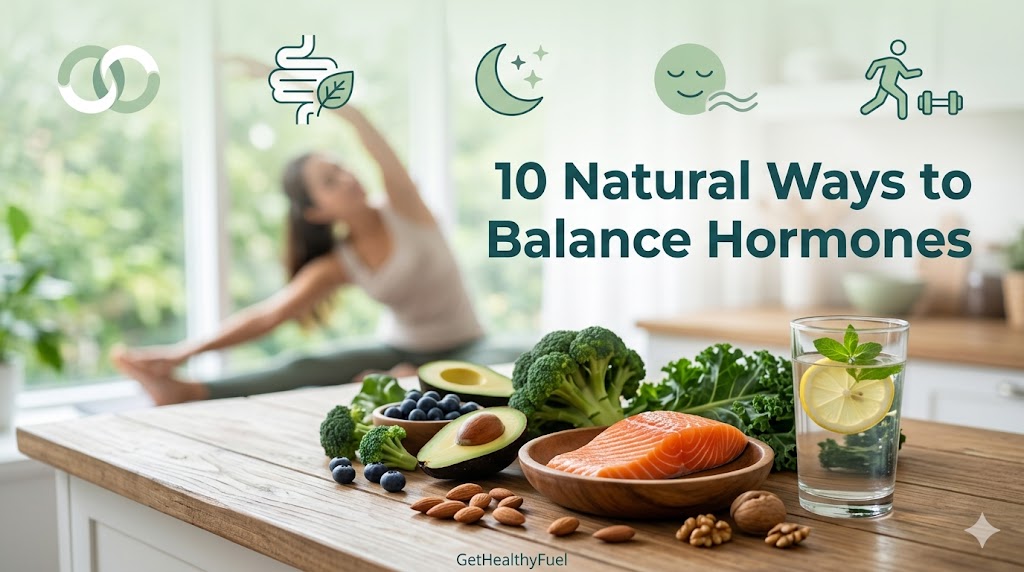
10 Natural Ways to Balance Your Hormones
Hormones are chemical messengers that control many of the body’s most important functions. They influence your metabolism, energy levels, appetite, mood, sleep, reproductive health, stress response, and even how your body stores fat. When hormones are balanced, you generally feel healthier, more energetic, and better able to handle everyday challenges. However, when hormone levels become disrupted, you may notice symptoms such as fatigue, weight gain, mood swings, irregular periods, poor sleep, low libido, or difficulty concentrating.
Hormonal changes can occur for many reasons, including aging, chronic stress, poor nutrition, lack of physical activity, certain medical conditions, and inadequate sleep. While some hormone-related conditions require medical treatment, healthy lifestyle habits can play a major role in supporting normal hormone function.
One of the most effective ways to improve hormone health is by making small, sustainable changes to your daily routine. Eating nutrient-rich foods, staying active, managing stress, sleeping well, and maintaining a healthy weight all work together to support your endocrine system. These habits also help improve insulin sensitivity, reduce inflammation, support gut health, and encourage healthy hormone production.
This guide explores ten natural, science-backed ways to support healthy hormone balance. These practical tips are suitable for most adults and can help improve your overall well-being while supporting long-term health.
Why Hormone Balance Matters
Hormones are produced by the endocrine system and travel through your bloodstream to communicate with different organs and tissues. Each hormone has a specific role, but they all work together to keep your body functioning properly.
Some of the most important hormones include:
- Insulin, which helps regulate blood sugar levels.
- Cortisol, the body’s primary stress hormone.
- Estrogen, which supports reproductive health, bone health, and cardiovascular function.
- Progesterone, which helps regulate the menstrual cycle and supports pregnancy.
- Growth hormone, which supports tissue repair, muscle growth, and metabolism.
- Leptin and ghrelin, which help control hunger and fullness.
When these hormones become imbalanced, the effects can extend far beyond one part of the body. That’s why supporting hormone health through everyday habits is an important part of overall wellness.
1. Eat Enough Protein at Every Meal
Protein is one of the most important nutrients for hormone production. During digestion, protein is broken down into amino acids, which your body uses to build enzymes, repair tissues, and produce peptide hormones that regulate appetite, growth, metabolism, and reproduction.
Eating enough protein also helps regulate the hunger hormones ghrelin and leptin. Meals that contain adequate protein tend to keep you full longer, reduce cravings, and help stabilize blood sugar levels throughout the day. This can improve insulin sensitivity and reduce sudden spikes in blood glucose.
Excellent sources of protein include:
- Eggs
- Chicken breast
- Fish
- Lentils
- Greek yogurt
- Cottage cheese
- Tofu
- Beans
- Lean turkey
Aim for approximately 25–30 grams of protein per meal, depending on your age, activity level, and nutritional needs. Pairing protein with fiber-rich vegetables and healthy fats creates balanced meals that support hormone regulation while providing lasting energy.
Choosing a variety of protein sources throughout the week also ensures you receive a broad range of essential amino acids, vitamins, and minerals that contribute to healthy hormone production.
2. Engage in Regular Exercise
Regular physical activity is one of the most effective natural ways to support hormone balance. Exercise influences nearly every major hormone in the body, including insulin, cortisol, growth hormone, estrogen, and testosterone. Whether your goal is to improve energy, manage weight, or support long-term health, staying active can make a noticeable difference.
When you exercise, your muscles become more efficient at using glucose for energy. This improves insulin sensitivity, allowing your body to regulate blood sugar more effectively. Better blood sugar control helps reduce the risk of insulin resistance, a condition linked to obesity, type 2 diabetes, and hormonal imbalances.
Exercise also stimulates the release of endorphins, often called the “feel-good” hormones. These natural chemicals help improve mood, reduce stress, and promote emotional well-being. At the same time, regular movement helps regulate cortisol, the body’s primary stress hormone. While intense workouts temporarily increase cortisol, consistent exercise helps lower chronically elevated cortisol levels over time.
Strength training can also increase growth hormone production, which supports muscle repair, bone strength, and healthy metabolism. Maintaining muscle mass becomes especially important as we age because hormone levels naturally decline over time.
Best Types of Exercise for Hormone Health
You don’t need to spend hours at the gym. A balanced fitness routine may include:
- Brisk walking
- Strength training
- Cycling
- Swimming
- Yoga
- Pilates
- High-Intensity Interval Training (HIIT)
- Light stretching
Recommended Weekly Activity
Health experts generally recommend:
- 150 minutes of moderate aerobic exercise each week, or
- 75 minutes of vigorous activity, plus
- Strength training at least two days per week
The key is consistency rather than intensity. Even a daily 30-minute walk can support healthy hormone function and improve overall wellness.
Benefits of Regular Exercise
- Improves insulin sensitivity
- Supports healthy metabolism
- Reduces chronic inflammation
- Helps regulate cortisol levels
- Promotes healthy body weight
- Improves mood and mental health
- Supports better sleep quality
- Increases energy levels
3. Maintain a Moderate Weight

Maintaining a healthy body weight plays an important role in hormone regulation. Excess body fat, especially around the abdomen, can interfere with hormone production and increase the risk of conditions such as insulin resistance, type 2 diabetes, heart disease, and polycystic ovary syndrome (PCOS).
Fat tissue is not simply stored energy—it also acts as an endocrine organ that produces hormones and inflammatory compounds. Too much body fat may contribute to higher estrogen levels in some people, while obesity is also linked to elevated cortisol and reduced insulin sensitivity.
On the other hand, being significantly underweight can also disrupt hormone production. Very low body fat may reduce estrogen levels, leading to irregular menstrual cycles, decreased fertility, and reduced bone density.
The goal is not to achieve a perfect number on the scale but to maintain a weight that supports overall health. Sustainable habits are far more effective than restrictive diets or rapid weight-loss programs.
Healthy Ways to Support Weight Management
- Eat balanced meals that include protein, healthy fats, and fiber.
- Avoid skipping meals.
- Stay physically active most days of the week.
- Drink enough water throughout the day.
- Prioritize quality sleep.
- Manage daily stress.
Why Healthy Weight Matters
Maintaining a moderate weight may help:
- Improve insulin sensitivity
- Support healthy estrogen levels
- Reduce inflammation
- Lower the risk of metabolic diseases
- Improve reproductive health
- Increase energy and mobility
Remember, healthy weight management is about long-term lifestyle changes rather than short-term dieting.
4. Take Care of Your Gut Health
Your digestive system does much more than digest food. The gut is home to trillions of microorganisms, collectively known as the gut microbiome, which influence digestion, immunity, inflammation, and hormone regulation.
A healthy gut microbiome helps your body process and eliminate excess hormones, particularly estrogen. Certain beneficial bacteria are involved in a collection of functions sometimes referred to as the estrobolome, which plays a role in estrogen metabolism. When the balance of gut bacteria is disrupted, hormone regulation may also be affected.
Gut health also influences blood sugar control, immune function, nutrient absorption, and the production of certain neurotransmitters that affect mood and stress.
Foods That Support Gut Health
Include a variety of these foods in your diet:
- Yogurt with live cultures
- Kefir
- Kimchi
- Sauerkraut
- Miso
- Tempeh
- Whole grains
- Fruits
- Vegetables
- Beans
- Lentils
Fiber acts as food for beneficial gut bacteria, helping them thrive. Probiotic-rich foods add helpful bacteria to your digestive system, while prebiotic foods such as onions, garlic, bananas, oats, and asparagus help nourish those bacteria.
Benefits of a Healthy Gut
- Supports hormone metabolism
- Improves digestion
- Strengthens the immune system
- Reduces inflammation
- Supports healthy blood sugar levels
- Promotes better nutrient absorption
A healthy gut creates a strong foundation for overall hormone health and well-being.
5. Lower Your Sugar Intake
Excess added sugar has been linked to numerous health problems, including insulin resistance, obesity, fatty liver disease, and chronic inflammation. Over time, these conditions can interfere with healthy hormone regulation.
Every time you consume sugary foods or sugar-sweetened beverages, your blood glucose levels rise. Your pancreas responds by releasing insulin, a hormone that helps move glucose into your cells. When this cycle happens repeatedly over months or years, your cells may become less responsive to insulin, leading to insulin resistance.
Reducing added sugar can help stabilize blood sugar levels, improve insulin sensitivity, and support overall metabolic health.
Simple Ways to Reduce Sugar
- Replace sugary drinks with water or unsweetened tea.
- Choose fresh fruit instead of candy.
- Read nutrition labels carefully.
- Limit processed desserts and pastries.
- Avoid excessive consumption of sweetened coffee drinks.
- Prepare more meals at home.
Better Alternatives
Choose naturally sweet foods like:
- Apples
- Berries
- Pears
- Oranges
- Greek yogurt with fruit
- Nuts and seeds
These options provide fiber, vitamins, and minerals while satisfying your sweet tooth.
Benefits of Reducing Added Sugar
- Better blood sugar control
- Improved insulin sensitivity
- Lower inflammation
- Healthier body weight
- Reduced risk of metabolic disease
- More stable energy levels
Making gradual changes is often easier than eliminating sugar overnight. Focus on reducing added sugars while enjoying naturally sweet whole foods in moderation.
6. Try Stress Reduction Techniques
Stress is a normal part of life, but chronic stress can disrupt your body’s natural hormone balance. When you’re under constant pressure, your adrenal glands release cortisol, often called the “stress hormone.” Cortisol is essential for helping your body respond to challenges, but consistently high cortisol levels can negatively affect many other hormones, including insulin, estrogen, progesterone, testosterone, and thyroid hormones.
Over time, chronic stress may contribute to fatigue, poor sleep, weight gain, mood swings, digestive problems, increased appetite, and reduced immune function. It can also make it more difficult to maintain healthy blood sugar levels and a healthy body weight.
The good news is that you don’t need to eliminate stress completely. Instead, learning healthy ways to manage stress can help your body return to a more balanced state.
Effective Stress Reduction Techniques

Simple daily habits can significantly lower stress levels.
Try incorporating these activities into your routine:
- Deep breathing exercises
- Meditation
- Yoga
- Prayer or mindfulness
- Spending time in nature
- Reading a book
- Listening to calming music
- Journaling
- Gardening
- Talking with supportive friends or family
Even setting aside just 10 to 20 minutes each day for relaxation can make a noticeable difference in how your body responds to stress.
Why Stress Management Supports Hormone Health
Reducing chronic stress may help:
- Lower cortisol levels
- Improve sleep quality
- Support healthy blood sugar balance
- Reduce emotional eating
- Improve mood
- Support reproductive health
- Promote healthy digestion
- Improve immune function
Remember that stress management isn’t about avoiding life’s challenges—it’s about building healthy habits that help your body recover more effectively.
7. Consume Healthy Fats
Healthy fats are essential for hormone production because many hormones are made from cholesterol and fatty acids. Eliminating fat from your diet can interfere with your body’s ability to produce and regulate hormones properly.
Not all fats are created equal. While trans fats and highly processed oils may increase inflammation, healthy unsaturated fats support heart health, brain function, and hormone production.
Omega-3 fatty acids are especially important because they help reduce inflammation and improve cell membrane function, allowing hormones to communicate more effectively with your body’s cells.
Best Sources of Healthy Fats
Include a variety of healthy fat sources throughout the week:
- Salmon
- Sardines
- Mackerel
- Avocados
- Extra virgin olive oil
- Almonds
- Walnuts
- Chia seeds
- Flaxseeds
- Pumpkin seeds
- Natural peanut butter
These foods also provide vitamins, minerals, antioxidants, and fiber that support overall health.
Benefits of Healthy Fats
Healthy fats may help:
- Support hormone production
- Reduce inflammation
- Improve brain function
- Support heart health
- Increase feelings of fullness
- Improve nutrient absorption
- Support healthy skin
- Maintain energy levels
Aim to include a healthy source of fat with each meal while limiting processed foods that contain trans fats.
8. Get Consistent, High-Quality Sleep
Sleep is one of the most powerful tools for maintaining healthy hormones. During sleep, your body repairs tissues, regulates metabolism, strengthens the immune system, and produces important hormones involved in growth, appetite, and stress management.
Poor sleep can disrupt several hormones, including cortisol, insulin, leptin, ghrelin, and growth hormone. Even one night of inadequate sleep may affect blood sugar control, increase hunger, reduce energy levels, and impair concentration.
Adults should aim for 7 to 9 hours of quality sleep each night.
Tips for Better Sleep
Create healthy sleep habits by:
- Going to bed at the same time every night
- Waking up at a consistent time
- Limiting screen time before bed
- Keeping your bedroom cool and dark
- Avoiding caffeine late in the day
- Limiting large meals before bedtime
- Practicing relaxation techniques before sleep
Benefits of Quality Sleep
Consistent, restorative sleep may help:
- Lower cortisol levels
- Improve insulin sensitivity
- Regulate appetite hormones
- Support weight management
- Improve memory and concentration
- Boost immune function
- Increase energy levels
- Support healthy metabolism
Good sleep is one of the easiest lifestyle changes that can positively affect hormone health.
9. Follow a High-Fiber Diet
Fiber is often associated with digestive health, but it also plays a major role in maintaining healthy hormone levels. High-fiber foods help regulate blood sugar, improve gut health, support healthy cholesterol levels, and assist the body in removing excess hormones through the digestive system.
There are two main types of fiber:
Soluble Fiber
Soluble fiber dissolves in water and forms a gel-like substance that slows digestion and helps stabilize blood sugar levels.
Foods rich in soluble fiber include:
- Oats
- Apples
- Beans
- Lentils
- Chia seeds
Insoluble Fiber
Insoluble fiber adds bulk to stool and supports regular bowel movements.
Good sources include:
- Whole grains
- Brown rice
- Vegetables
- Nuts
- Seeds
Both types of fiber are important for overall health.
Benefits of a High-Fiber Diet
Eating enough fiber may help:
- Improve gut microbiome health
- Support healthy estrogen metabolism
- Reduce cholesterol
- Improve blood sugar control
- Promote healthy digestion
- Increase feelings of fullness
- Support healthy weight management
Easy Ways to Eat More Fiber
Increase your daily fiber intake by:
- Choosing whole-grain bread instead of white bread
- Eating beans several times each week
- Adding berries to breakfast
- Snacking on nuts
- Including vegetables at every meal
- Eating whole fruit instead of fruit juice
When increasing fiber intake, drink plenty of water to support healthy digestion.
10. Consider Following the Mediterranean Diet
One of the most effective long-term dietary patterns for hormone balance is the Mediterranean diet. It focuses on whole, nutrient-dense foods that naturally support endocrine function, reduce inflammation, and stabilize blood sugar levels.
This diet emphasizes:
- Fresh fruits and vegetables
- Whole grains like oats, brown rice, and quinoa
- Healthy fats such as olive oil, nuts, and seeds
- Lean proteins including fish and legumes
- Limited processed foods and added sugars
The healthy fats in this diet help support hormone production, while antioxidants from plant foods reduce oxidative stress that can disrupt hormonal balance.
Studies consistently show that people who follow a Mediterranean-style eating pattern have better metabolic health, improved insulin sensitivity, and more stable hormone levels overall.
Hormonal imbalance doesn’t happen overnight—and it also doesn’t get fixed overnight.
However, by making consistent lifestyle improvements, you can restore balance naturally and improve your overall well-being.
The most important takeaways include:
- Eat balanced meals with enough protein and healthy fats
- Stay physically active and manage body weight
- Reduce sugar and processed foods
- Improve gut health and digestion
- Manage stress effectively
- Prioritize quality sleep
- Support your body with nutrient-dense foods
Small daily habits, repeated consistently, create powerful long-term hormonal health.
Everything You Should Know About Hormonal Imbalance
Hormones control nearly every major function in the body—from metabolism and mood to sleep and reproduction. When even one hormone is out of balance, it can affect your entire system.
Common signs of hormonal imbalance include:
- Fatigue and low energy
- Weight gain or difficulty losing weight
- Mood swings and irritability
- Poor sleep quality
- Skin issues like acne
- Irregular menstrual cycles
The good news is that most hormone imbalances linked to lifestyle factors can be improved naturally through diet, exercise, stress management, and proper sleep routines.
Frequently Asked Questions
1. What is the fastest way to balance hormones naturally?
Improving diet, reducing sugar intake, managing stress, and sleeping 7–9 hours daily are the fastest natural methods.
2. Can exercise help balance hormones?
Yes, regular exercise improves insulin sensitivity and reduces stress hormones like cortisol.
3. Which foods help balance hormones?
Leafy greens, fatty fish, nuts, seeds, berries, and whole grains support hormone health.
4. Does stress affect hormones?
Yes, chronic stress increases cortisol levels, which can disrupt other hormones.
5. Can poor sleep cause hormonal imbalance?
Absolutely. Lack of sleep affects cortisol, insulin, and growth hormone levels.
6. Is weight gain linked to hormonal imbalance?
Yes, especially imbalances in insulin, thyroid, and cortisol hormones.
7. How long does it take to balance hormones naturally?
It varies, but most people notice improvements within a few weeks to a few months.
8. Can diet alone fix hormonal imbalance?
Diet plays a major role, but combining it with exercise and lifestyle changes gives better results.
9. What drinks help balance hormones?
Green tea, herbal teas, and plenty of water support hormonal function.
10. When should I see a doctor for hormonal imbalance?
If symptoms are severe, persistent, or affecting daily life, medical advice is necessary.

Conclusion
Balancing hormones naturally is possible when you focus on long-term healthy habits instead of quick fixes.
By eating better, moving your body regularly, reducing stress, and improving sleep, you can restore your body’s natural rhythm and feel more energetic, focused, and healthy.
At GetHealthyFuel, we believe in simple, practical health strategies that actually work in real life—not complicated routines that are hard to follow.
Start small. Stay consistent. Your hormones will respond.






One Comment