How to Get Glowing Skin Naturally:
Proven Tips, Home Remedies, and Healthy Habits
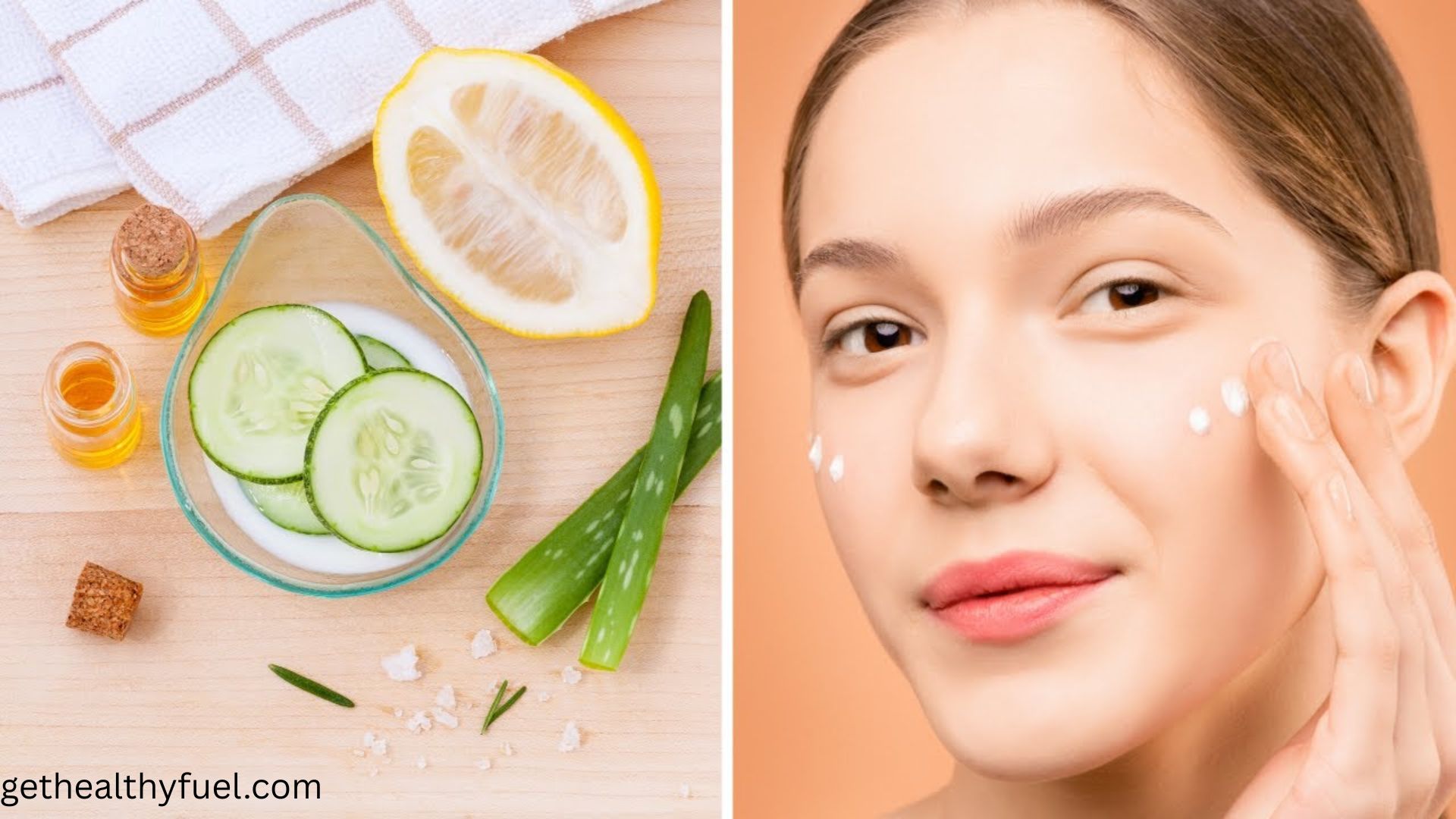
Healthy, glowing skin is often seen as a reflection of overall wellness. While modern cosmetic products promise quick transformations, true glowing skin naturally comes from consistent care, healthy habits, and nourishing your skin from within. When the skin is properly hydrated, protected, and supported with the right nutrients, it appears smoother, brighter, and more radiant.
Many people search for home remedies for glowing skin because natural methods are gentle, affordable, and widely accessible. Simple ingredients found in your kitchen—such as honey, aloe vera, turmeric, and yogurt can support skin nourishment, improve skin texture, and enhance skin brightness over time.
However, achieving natural glowing skin is not just about applying face packs. It also involves following a proper skin care routine, maintaining hydration, eating nutritious foods, and adopting healthy lifestyle habits.
In this guide, we will explore the science behind skin health, practical skincare strategies, and effective natural beauty remedies that can help you achieve radiant skin safely and naturally.
What Is Glowing Skin?
The term glowing skin usually refers to skin that looks healthy, hydrated, and naturally radiant. It does not mean perfectly flawless skin. Instead, it reflects balanced skin hydration, good skin tone, and a smooth skin texture.
Healthy glowing skin typically appears:
- Smooth and soft
- Well-hydrated but not oily
- Even-toned with minimal dullness
- Naturally radiant
Achieving this kind of radiant skin requires consistent natural skin care, proper skin repair, and protection from environmental damage.
Skin that lacks moisture or essential nutrients often appears dull or tired. Supporting collagen production, protecting the skin barrier, and practicing antioxidant skin care can help restore its natural glow.
Factors That Influence Skin Health
Many internal and external factors affect skin health. Understanding these influences helps you choose better skin detox remedies and develop healthier habits.
Common Causes of Dull Skin
Several everyday factors contribute to dull or uneven skin.
1. Environmental Exposure
Pollution, dust, and UV rays damage skin cells and accelerate aging.
2. Dehydration
Lack of proper hydration for skin reduces elasticity and brightness.
3. Poor Nutrition
A diet lacking vitamins and antioxidants can weaken the skin barrier.
4. Stress and Hormones
Hormonal changes and stress and skin health are closely connected.
5. Sleep Deprivation
Insufficient sleep for skin health prevents proper skin repair.
6. Harsh Skincare Products
Using irritating products may damage the skin barrier and worsen dull skin causes.
Although genetics also influence skin appearance, most of these factors can be improved through healthy skin habits.
Daily Skin Care Routine for Glowing Skin
A consistent skin care routine is one of the most important steps toward natural glowing skin. Dermatologists often recommend keeping skincare simple and focusing on the essentials.
Cleansing
Cleansing removes dirt, excess oil, and impurities that accumulate during the day.
Tips for effective cleansing:
- Use a gentle cleanser twice daily
- Avoid harsh soaps or alcohol-based products
- Wash with lukewarm water
Gentle cleansing helps maintain skin hydration and improves skin texture.
Moisturizing
Moisturizers help maintain the skin’s moisture barrier and prevent dryness.
Benefits of moisturizing:
- Supports skin repair
- Improves elasticity
- Enhances skin brightness
A good natural moisturizer may include ingredients like aloe vera, coconut oil, or hyaluronic acid.
Sun Protection
Sun exposure is one of the leading causes of premature aging and skin damage.
Always:
- Apply sunscreen with SPF 30 or higher
- Reapply every 2 hours outdoors
- Wear protective clothing when possible
Sun protection preserves skin tone improvement and prevents dullness.
Gentle Exfoliation
Exfoliation removes dead skin cells and improves skin rejuvenation.
Natural exfoliants include:
- Oatmeal
- Yogurt
- Papaya enzymes
However, over-exfoliation can damage the skin barrier, so it should only be done once or twice per week.
20 Simple Home Remedies for Glowing Skin
Natural remedies are among the most popular home facial treatments for improving skin radiance. Many of these herbal skincare solutions contain antioxidants, vitamins, and anti-inflammatory compounds.
Here are some effective remedies.
1. Honey for Skin
Honey is a natural humectant that locks moisture into the skin.
Benefits:
- Deep hydration
- Natural antibacterial protection
- Improved skin softness
Apply raw honey for 15 minutes before rinsing.
2. Aloe Vera for Glowing Skin
Aloe vera contains vitamins and antioxidants that promote skin healing.
Benefits:
- Reduces irritation
- Supports collagen production
- Improves hydration
Use fresh aloe vera gel before bedtime.
3. Turmeric Face Pack
Turmeric is a powerful anti-inflammatory skincare ingredient.
Mix turmeric with milk or yogurt to create a face pack for glowing skin.
4. Lemon for Skin Brightening
Lemon contains vitamin C that helps with skin tone improvement.
Always dilute lemon juice before applying to avoid irritation.
5. Cucumber for Skin Hydration
Cucumber has cooling properties and supports skin hydration.
It also helps reduce puffiness and redness.
6. Rose Water Toner
Rose water works as a natural toner that balances skin pH and refreshes the skin.
7. Gram Flour Face Pack
Gram flour removes excess oil and dead cells while improving skin brightness.
8. Yogurt for Skin Care
Yogurt contains lactic acid that gently exfoliates the skin.
9. Papaya Skin Benefits
Papaya enzymes promote natural exfoliation and improve skin clarity.
10. Tomato for Skin Glow
Tomatoes contain lycopene, which protects the skin from sun damage.
11. Orange Peel Powder Mask
Rich in vitamin C, orange peel powder helps brighten skin and reduce pigmentation.
12. Neem for Acne
Neem is known for its antibacterial properties and is helpful for acne-prone skin.
13. Oats Exfoliating Scrub
Oats gently remove dead skin cells while calming irritation.
14. Coconut Oil Moisturizer
Coconut oil deeply nourishes dry skin and improves softness.
15. Milk Skin Cleanser
Milk acts as a natural cleanser that removes impurities while nourishing the skin.
16–20 Additional Remedies
Other helpful remedies include:
- Honey and lemon masks
- Aloe and cucumber blends
- Turmeric yogurt masks
- Drinking enough water
- Getting adequate sleep
Together, these natural face masks and remedies help improve skin rejuvenation and long-term radiance.
Foods That Help Achieve Glowing Skin
Healthy eating plays a vital role in maintaining skin health. Even the best skincare routine cannot compensate for poor nutrition.
Important foods for glowing skin include:
Fruits and Vegetables
Rich in vitamins and antioxidants.
Examples:
- Berries
- Citrus fruits
- Spinach
- Carrots
Healthy Fats
Healthy fats support the skin barrier.
Examples:
- Avocados
- Nuts
- Olive oil
- Omega-3 fatty acids
Protein Sources
Protein supports collagen production, which keeps skin firm.
Sources include:
- Eggs
- Fish
- Legumes
- Lean meats
Balanced nutrition improves skin nourishment and promotes natural glowing skin.
Lifestyle Habits That Enhance Natural Glow
Healthy lifestyle habits significantly influence skin health.
Stay Hydrated

Proper hydration for skin improves elasticity and detoxification.
Aim for:
- 7–8 glasses of water daily.
Prioritize Sleep
Quality sleep for skin health allows the body to repair damaged cells.
Most adults need:
- 7–9 hours of sleep each night.
Manage Stress
Chronic stress increases inflammation and worsens skin conditions.
Effective stress reduction methods include:
- Meditation
- Yoga
- Deep breathing exercises
Exercise Regularly
Regular exercise for healthy skin improves circulation and oxygen delivery to skin cells.
Avoid Smoking and Excess Alcohol
Smoking accelerates aging and damages collagen, leading to dull skin.
Limiting alcohol intake also supports healthier skin.
Together, these lifestyle for healthy skin practices complement natural skin care and improve long-term results.
When Home Remedies Are Not Enough
While natural remedies can help with mild skin concerns, some conditions require professional treatment.
Consider a dermatologist consultation if you experience:
- Persistent acne
- Severe pigmentation
- Chronic irritation
- Allergic reactions
- Skin infections
Dermatologists can provide advanced treatments and personalized skincare advice.
Early treatment prevents long-term skin damage and improves overall skin healing.
Frequently Asked Questions (FAQs)
How long do home remedies take to show results?
Most home remedies for glowing skin show visible improvement within 3–4 weeks when used consistently.
Are natural face masks safe for all skin types?
Most natural face masks are safe, but patch testing is recommended—especially for sensitive skin.
Can glowing skin be achieved naturally?
Yes. Consistent skincare, healthy nutrition, hydration, and lifestyle changes can significantly improve skin brightness.
How often should face packs be used?
Using a face pack for glowing skin 2–3 times per week is generally sufficient.
When should I see a dermatologist?
If skin problems persist for more than 4–6 weeks, a professional dermatologist consultation is recommended.
Summary
Achieving glowing skin naturally requires a balanced approach that combines proper skincare, healthy nutrition, and lifestyle improvements.
Key strategies include:
- Following a simple skin care routine
- Using natural skin care remedies
- Eating nutrient-rich foods
- Maintaining hydration for skin
- Getting enough sleep and managing stress
Natural remedies such as honey for skin, aloe vera for glowing skin, turmeric face packs, and oats exfoliating scrubs can help enhance skin radiance when used consistently.
Ultimately, glowing skin is not about perfection—it is about maintaining healthy skin, supporting skin repair, and nurturing your body from the inside out. With patience and proper care, achieving naturally radiant skin is possible for anyone.






4 Comments