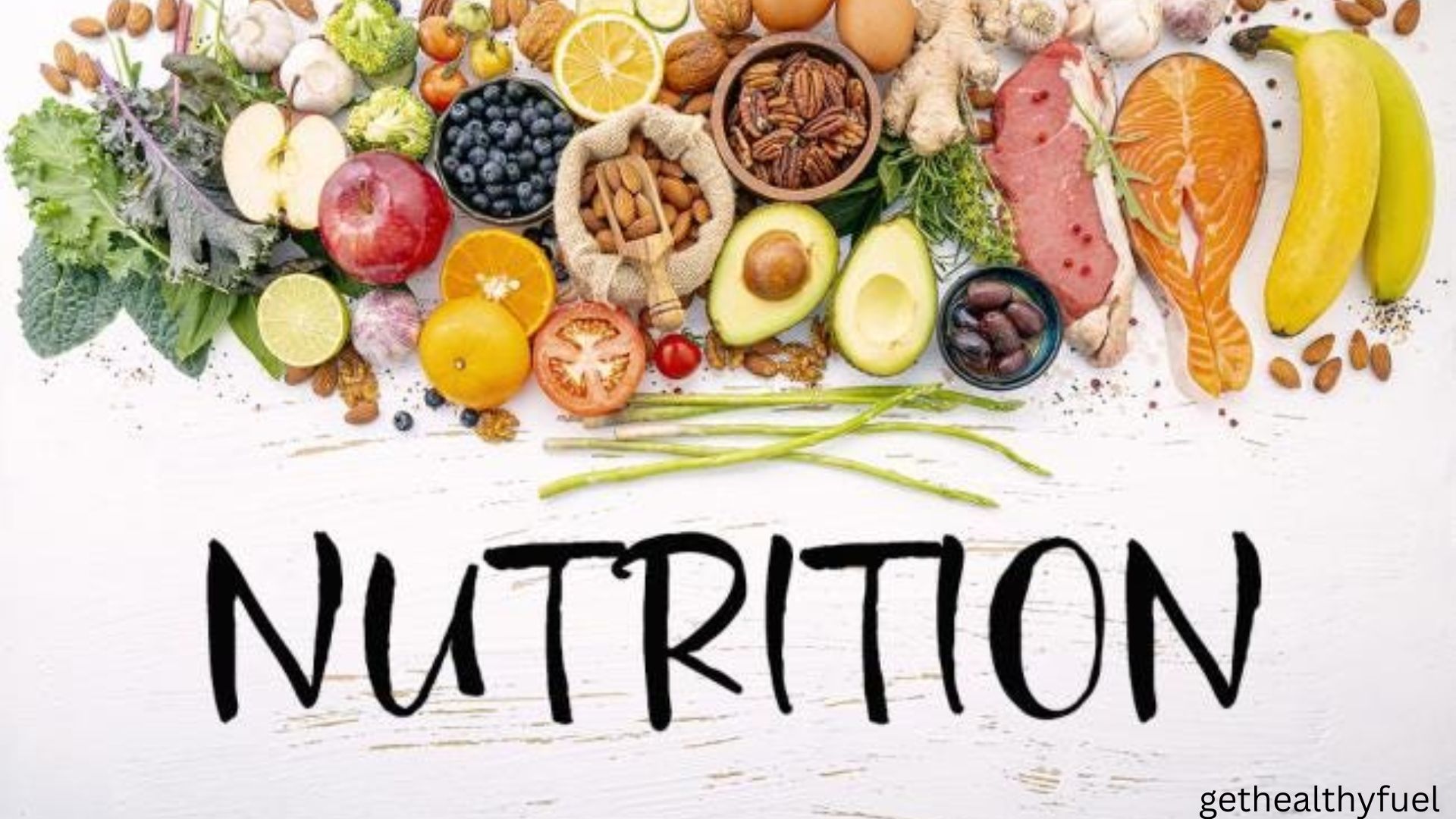
Defeat Depression With a Healthy Diet
Healthy diet for depression
Depression is more common in the United States than many people realize. Millions of adults struggle with low mood, fatigue, and a lack of motivation every day. While therapy and medication are important tools, more people are now asking a simple question: Can what I eat actually affect how I feel?
The answer, according to growing research, is yes.
A healthy diet for depression isn’t a magic cure but studies suggest it can play a powerful role in improving mood, supporting brain function, and even reducing symptoms over time. What you put on your plate doesn’t just fuel your body it directly impacts your brain, your emotions, and your overall mental well-being.
In this guide, we’ll break down the science in simple terms and show you practical, real-life ways to use food as a tool for better mental health.
Key Points About Diet and Depression
- A healthy diet supports brain function and emotional balance
- Nutrient-rich foods may help reduce symptoms of depression
- The gut-brain connection plays a major role in mood
- Ultra-processed foods may worsen mental health
- Small daily dietary changes can make a noticeable difference
Understanding the Connection Between Food and Mood

Ever notice how you feel sluggish after fast food or energized after a balanced meal?
That’s not a coincidence.
Your brain relies on nutrients from food to produce chemicals like serotonin and dopamine key players in mood regulation. This is the core of the mood and diet connection.
When your diet lacks essential nutrients, your brain struggles to function properly. Over time, this can contribute to low mood, anxiety, and even depression.
Research Shows the Link Between healthyDiet and depression
Research in nutritional psychology continues to grow. Studies suggest that people who follow a whole foods or Mediterranean-style diet tend to have better mental health outcomes.
For example:
- Diets rich in fruits, vegetables, fish, and whole grains are linked to lower depression rates
- High intake of ultra-processed foods is associated with increased risk of depression
- Dietary interventions for depression have shown promising results in clinical studies
While diet alone isn’t a replacement for treatment, it’s increasingly recognized as a key part of a mental health diet.
How a Healthy Diet Improves Brain Health
Your brain is one of the most energy-demanding organs in your body. It needs a steady supply of nutrients to function well.
A strong brain health nutrition plan helps:
- Support neurotransmitter production
- Reduce inflammation in the brain
- Improve focus, memory, and emotional stability
Think of food as fuel not just for your body, but for your thoughts and feelings too.
Top Natural Mood-Boosting Foods
Looking for simple ways to improve your mood? Start with these foods that boost mood:
- Leafy greens (spinach, kale)
- Fatty fish (salmon, sardines)
- Berries (blueberries, strawberries)
- Nuts and seeds
- Whole grains
- Yogurt and fermented foods
These brain boosting foods are packed with nutrients that support mental wellness.
Essential Nutrients That Help Fight Depression
Certain nutrients play a key role in depression and nutrition. These include:
- B vitamins
- Omega-3 fatty acids
- Magnesium
- Fiber (for gut health)
A lack of these nutrients may affect brain function and mood over time.
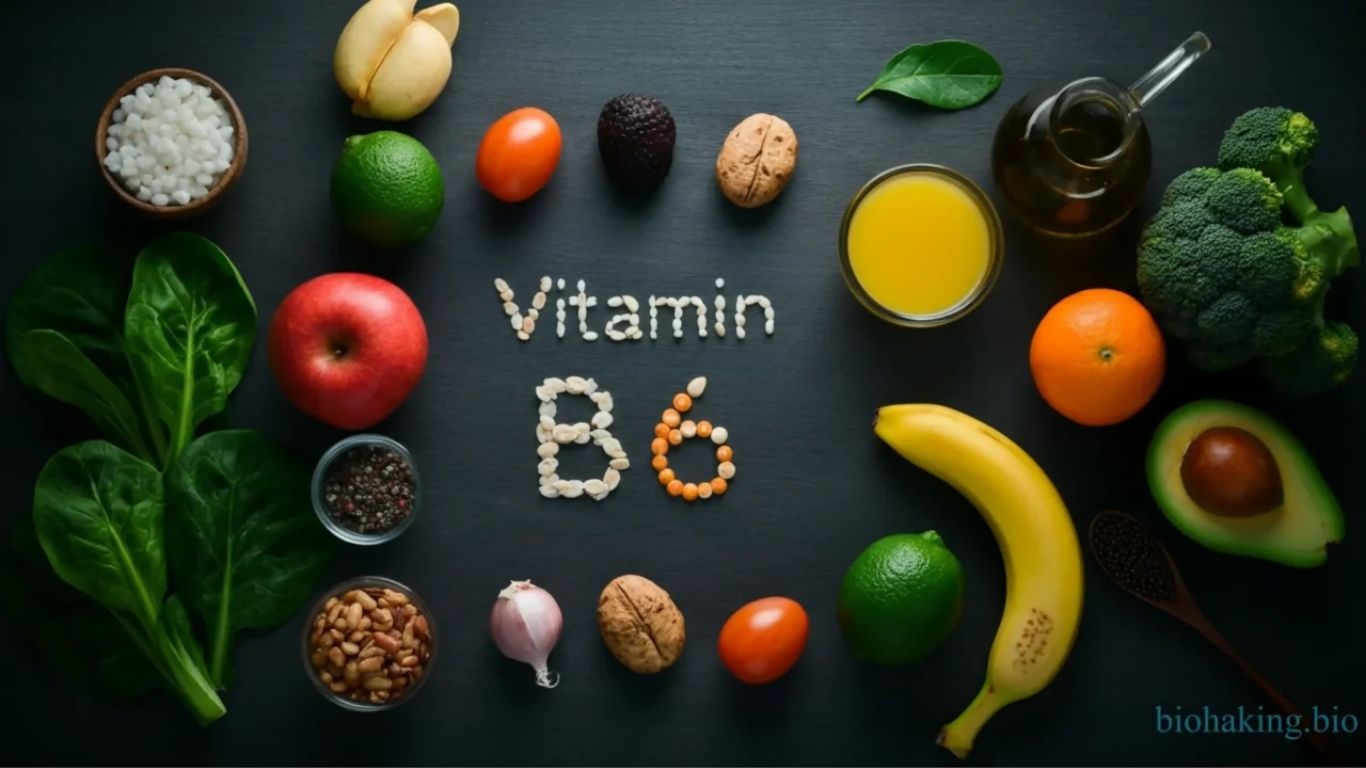
Vitamin B6 and Its Role in Mental Wellness
Vitamin B6 for mood is essential because it helps your body produce serotonin the “feel good” chemical.
Foods rich in Vitamin B6 include:
- Bananas
- Chickpeas
- Salmon
- Whole grains
Low levels of this vitamin may impact mood and sleep quality.
DHA and Omega-3s for Brain Function
Omega-3 fatty acids DHA are critical for brain structure and function.
Research shows:
- DHA supports communication between brain cells
- It may help reduce symptoms of depression
- It supports overall cognitive function
Top sources include:
- Salmon
- Mackerel
- Tuna
- Walnuts
Prebiotics and Probiotics: Gut-Brain Connection
The gut-brain connection is one of the most exciting areas of research.
Your gut microbiome helps regulate:
- Mood
- Immune function
- Brain signaling
Foods that support gut microbiome and mental health:
- Yogurt (probiotics)
- Fermented foods (kimchi, kefir)
- Oats, bananas (prebiotics)
A healthy gut can lead to better emotional balance.
Eating for a Better Mood: Daily Diet Tips
Want practical steps? Start here:
- Eat regular meals to avoid mood swings
- Choose a whole foods diet over processed foods
- Stay hydrated throughout the day
- Include protein, healthy fats, and fiber in each meal
Example (USA lifestyle):
Swap a fast food lunch for grilled chicken, brown rice, and veggies you’ll likely feel more energized and focused.
How Mood Affects Your Eating Habits
It goes both ways your mood affects your food choices too.
Common patterns:
- Stress leads to sugar cravings
- Depression may cause low appetite
- Emotional eating becomes a coping mechanism
Recognizing emotional eating triggers is the first step toward change.
Dietary Interventions for Managing Depression
Research-backed dietary interventions for depression include:
- Mediterranean-style eating
- Reducing ultra-processed foods
- Increasing plant-based foods
Even small changes like adding more vegetables or cutting back on sugary drinks can support mental wellness.
Clinical Approaches and Nutritional Therapy
Professionals are now combining therapy with nutrition this is called nutritional psychiatry.
Doctors and dietitians may:
- Assess nutrient deficiencies
- Recommend dietary changes
- Suggest supplements when needed
This approach supports both physical and mental health together.
How a Brain-Healthy Diet Prevents Other Diseases
A healthy diet doesn’t just help mood it also reduces the risk of:
- Heart disease
- Obesity
- Type 2 diabetes
Since these conditions are linked with depression, improving your diet supports your overall well-being.
How to Manage Poor Appetite During Depression
Struggling to eat when you feel low? You’re not alone.
Try these tips:
- Eat small, frequent meals
- Choose easy-to-prepare foods
- Keep healthy snacks nearby
- Drink smoothies if solid food feels difficult
Managing poor appetite depression is about making food simple and accessible.
Recommended Reading and Resources
- Nutrition and mental health guides
- Mediterranean diet research
- Mental wellness nutrition programs

Latest Research and Psychology Insights
Emerging studies in nutritional psychology show:
- Diet impacts brain chemistry
- Gut health influences emotions
- Anti-inflammatory diets may improve mood
This growing field continues to connect mental health outcomes and diet in powerful ways.
Frequently Asked Questions (FAQs)
Can diet cure depression?
No, diet alone cannot cure depression. However, research shows it can support treatment and improve symptoms when combined with professional care.
What foods reduce anxiety and depression?
Foods rich in omega-3s, whole grains, leafy greens, and probiotics may help support mood and reduce anxiety.
Is sugar bad for mental health?
High sugar intake may lead to energy crashes and mood swings, which can negatively affect mental health over time.
What is the best diet for mental health?
A balanced, whole foods based diet like the Mediterranean diet—is often considered one of the best for mental wellness.
How does gut health affect mood?
The gut produces many neurotransmitters. A healthy gut microbiome supports better mood and emotional balance.
Conclusion
Improving your mental health doesn’t always require drastic changes. Sometimes, it starts with what’s on your plate.
A healthy diet for depression can support your brain, stabilize your mood, and improve your overall quality of life. While it’s not a replacement for therapy or medication, it’s a powerful tool you can use every day.
Start small add more whole foods, cut back on processed meals, and pay attention to how your body responds.
Because in the end, taking care of your mind begins with taking care of your body.


One Comment