Hair Loss in Men and Women: Common Causes and Early Signs to Watch For
Hair loss can be a stressful experience for anyone. Many people first notice hair thinning, excessive strands in the shower, or a widening hair part and wonder if something serious is happening. The truth is that hair loss in men and women is extremely common and often manageable when detected early.
For parents and adults in the United States, understanding the common causes of hair loss and recognizing the early warning signs can help prevent long-term damage to the hair follicles. In this guide, we’ll explore the most frequent causes, early symptoms, and available hair regrowth treatments so you can protect your scalp health and hair density.
Understanding Hair Loss in Men and Women
Hair loss, medically known as alopecia, affects millions of people worldwide. According to research cited by organizations such as the National Institutes of Health (NIH), adults typically have between 80,000 and 120,000 hair follicles on their scalp. Losing 50–100 strands per day is considered normal because hair naturally cycles through growth and shedding phases.
However, when excessive hair shedding or visible thinning occurs, it may indicate a disruption in the hair growth cycle.
Hair loss patterns often differ between men and women:
Hair loss in men
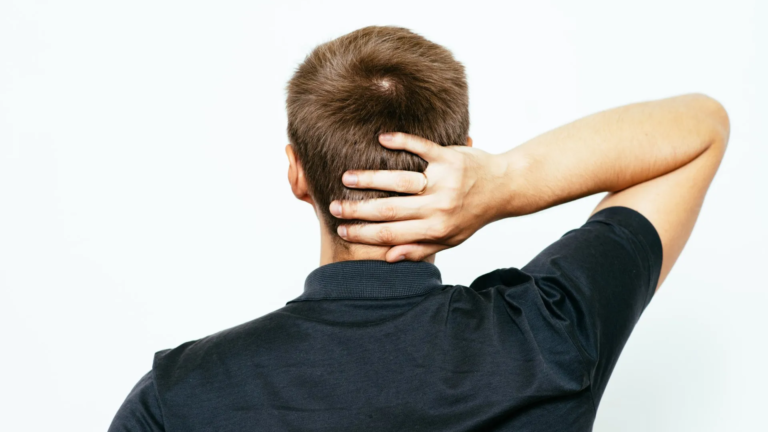
- Thinning usually begins at the temples or crown
- May progress to pattern baldness
- Often caused by hereditary hair loss (androgenetic alopecia)
Hair loss in women
- Usually appears as diffuse thinning across the scalp
- The hair part line may widen
- Complete baldness is less common
Understanding these differences can help individuals identify early hair loss symptoms and seek timely care.
The Hair Growth Cycle: Why Shedding Happens
Healthy hair grows in a repeating cycle consisting of three stages:
Anagen Phase (Growth)
- Hair actively grows for 2–7 years
- Determines hair length and density
Catagen Phase (Transition)
- Lasts about 2–3 weeks
- Hair follicles shrink and detach from blood supply
Telogen Phase (Resting and Shedding)
- Hair eventually sheds to make room for new strands
Conditions like telogen effluvium, stress, illness, or hormonal changes can push too many follicles into the resting stage at once, leading to sudden hair shedding.

Common Causes of Hair Loss
Hair loss rarely has a single cause. Instead, it often results from a combination of genetic, medical, and lifestyle factors.
1. Hereditary Hair Loss (Androgenetic Alopecia)
The most common cause of baldness in men and female hair loss is androgenetic alopecia, also known as pattern baldness.
Key characteristics include:
- Gradual thinning at the crown hair thinning area
- Receding hairline in men
- Diffuse thinning in women
Genes from both parents can influence this condition. By age 50, a large percentage of American men and women experience some degree of progressive hair thinning.
2. Hormonal Changes
Hormones play a major role in regulating the hair growth cycle.
Common hormonal triggers include:
- Pregnancy and postpartum changes
- Menopause
- Thyroid disorders
- Polycystic ovary syndrome (PCOS)
Hormonal imbalance can lead to hormonal hair loss, causing noticeable hair density reduction.
3. Nutritional Deficiencies
A healthy diet is essential for strong hair follicles. Nutritional deficiencies often linked to hair fall causes include:
- Iron deficiency
- Vitamin B12 deficiency
- Protein deficiency
- Vitamin D deficiency
The National Institutes of Health (NIH) reports that nutrient shortages can weaken follicles and contribute to chronic hair loss.
4. Stress and Lifestyle Factors
Stress is a major contributor to stress-related hair loss.
Examples include:
- Major life events
- Emotional trauma
- Illness or surgery
- Severe dieting
Stress can trigger telogen effluvium, where large numbers of follicles enter the resting phase and shed simultaneously.
Smoking has also been linked to increased rates of hair loss due to its negative effects on blood circulation to the scalp.
5. Medical Conditions and Scalp Disorders
Certain health conditions can damage hair follicles or cause scalp inflammation, including:
- Autoimmune disorders
- Alopecia areata
- Scalp infections
- Lichen planopilaris
- Frontal fibrosing alopecia
These conditions may lead to patchy hair loss, redness, or scalp irritation.
A medical evaluation and hair loss diagnosis from a dermatologist is essential for proper treatment.

Early Signs of Hair Loss to Watch For
Recognizing symptoms early can make treatment far more effective.
Common early hair loss symptoms include:
- Thinning hair at the crown
- Receding hairline
- Widening hair part line
- Excessive hair in brush or shower drain
- Hair loss while washing or styling
- Patchy scalp areas
Some people also notice:
- Increased hair fall on pillows
- Reduced hair volume
- Slower hair regrowth
Tracking these changes over time helps distinguish normal shedding from progressive hair thinning.
Hair Loss in Men vs Women: Key Differences
Although both genders experience hair loss, patterns differ significantly.
Male Pattern Hair Loss
- Begins at temples or crown
- Gradual receding hairline
- Can progress to full baldness
Female Pattern Hair Loss
- Overall thinning across scalp
- Hairline usually remains intact
- Reduced hair density rather than bald spots
Hormonal factors such as menopause can worsen female hair loss later in life.
How Hair Loss Affects Mental and Emotional Health
Hair plays an important role in personal identity and self-confidence. As a result, hair loss can have significant psychological effects.
Research shows people with chronic hair loss may experience:
- Anxiety
- Social withdrawal
- Lower self-esteem
- Depression
For parents juggling careers, family responsibilities, and stress, noticing sudden hair shedding can be especially distressing.
Fortunately, modern hair restoration options offer many solutions.
Hair Loss Diagnosis and Medical Evaluation
If hair loss becomes noticeable or persistent, medical evaluation is recommended.
A dermatologist or healthcare provider may perform:
Scalp examination
- Check for inflammation or follicle damage
Blood tests
- Identify nutritional deficiencies or thyroid disorders
Hair pull test
- Evaluate shedding severity
Scalp biopsy
- Diagnose autoimmune or scarring alopecia
Professional scalp examination helps determine the exact cause and best treatment plan.
Hair Regrowth Treatments and Restoration Options
Treatment depends on the underlying cause of hair loss.
Common hair loss treatments include:
Topical Treatments
- Minoxidil (FDA-approved)
- Scalp serums and topical therapies
Oral Medications
- Hormone-blocking medications
- Nutritional supplements
Medical Procedures
- Hair transplant procedure
- Platelet-rich plasma (PRP) therapy
- Laser scalp therapy
Lifestyle Improvements
- Balanced diet rich in protein and iron
- Stress reduction techniques
- Proper scalp care
Early intervention significantly improves the chances of successful hair regrowth therapy.
Practical Tips to Protect Scalp Health
Maintaining good scalp health can help prevent unnecessary hair loss.
Consider these simple habits:
- Eat a nutrient-rich diet
- Avoid tight hairstyles that strain follicles
- Limit heat styling tools
- Use gentle hair care products
- Manage stress with exercise or meditation
Parents who maintain these habits often see better hair density and follicle strength over time.
When to See a Doctor
You should seek medical advice if you notice:
- Sudden or severe hair density loss
- Patchy hair loss
- Persistent scalp itching or redness
- Hair shedding lasting longer than 3–6 months
Early medical care helps prevent hair follicle damage and improves treatment outcomes.
Frequently Asked Questions (FAQ)
How much hair shedding per day is normal?
Losing 50–100 hairs daily is normal because hair naturally cycles through growth and shedding stages. Excessive shedding beyond this may indicate hair loss.
Is hair loss inherited only from the mother?
No. Hereditary hair loss can come from both parents, and multiple genes influence the likelihood of developing pattern baldness.
What causes sudden hair shedding?
Sudden hair shedding is often caused by telogen effluvium, which may result from stress, illness, medications, or hormonal changes.
Can hair loss be reversed?
Some types, such as telogen effluvium, are temporary and reversible. Others, like androgenetic alopecia, can be managed with treatment but may not be completely reversed.
When does postpartum hair loss start?
Postpartum hair shedding typically begins about three months after childbirth due to hormonal changes.
Conclusion: Taking Action Early Can Protect Your Hair
Hair loss in men and women is extremely common, but it doesn’t have to be permanent or uncontrollable. By understanding the common causes of hair loss, monitoring early warning signs, and seeking professional care when needed, individuals can protect their scalp health and maintain stronger hair.
For parents and adults across the United States, the key is early awareness and proactive care. Healthy habits, proper nutrition, and timely medical advice can slow progressive hair thinning and improve long-term hair health.
Hair loss in men and women can stem from a variety of factors, including genetics, hormonal changes, and nutritional deficiencies. Recognizing early signs such as thinning hair or increased shedding is crucial for effective intervention. Taking proactive measures, including dietary adjustments and consulting healthcare professionals, can significantly mitigate the impact of hair loss. Ultimately, informed and timely actions contribute to the preservation of hair vitality and overall scalp health.
If you notice persistent hair thinning or excessive shedding, consult a healthcare professional or dermatologist for a proper hair loss diagnosis and personalized treatment plan.