PRP vs Hair Transplant: Which Treatment Restores Hair Best?
Hair loss can feel frustrating, especially when it starts affecting your confidence and appearance. If you’re searching for effective solutions, you’ve likely come across PRP vs hair transplant—two of the most popular hair restoration treatments available today.
But which one is right for you?
In this guide, we’ll break down everything you need to know about PRP hair treatment vs hair transplant, including how they work, costs in the USA, results, and how to choose the best option for your hair restoration goals.
Understanding Hair Loss and Its Causes
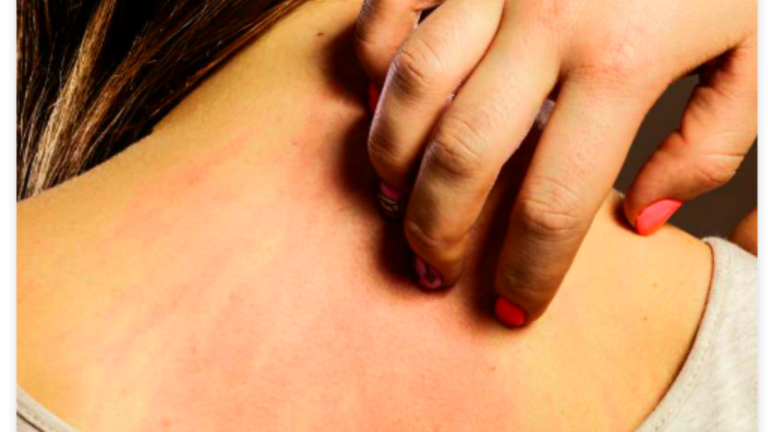
Hair loss affects millions of men and women across the United States. Understanding the root cause is key to choosing the right treatment.
Genetic Hair Loss
- Male pattern baldness
- Female pattern hair loss
- Caused by sensitivity to DHT (dihydrotestosterone)
Hormonal Hair Loss
Hormonal imbalances can weaken hair follicles, especially in cases like thyroid issues or postpartum changes.
Lifestyle Factors
- Stress
- Poor nutrition
- Scalp health issues
Early vs Advanced Hair Loss
- Early-stage: thinning hair, weak follicles
- Advanced stage: bald spots, inactive follicles
👉 Identifying your stage helps determine whether PRP therapy or a hair transplant is the better solution.
What is PRP Hair Treatment?
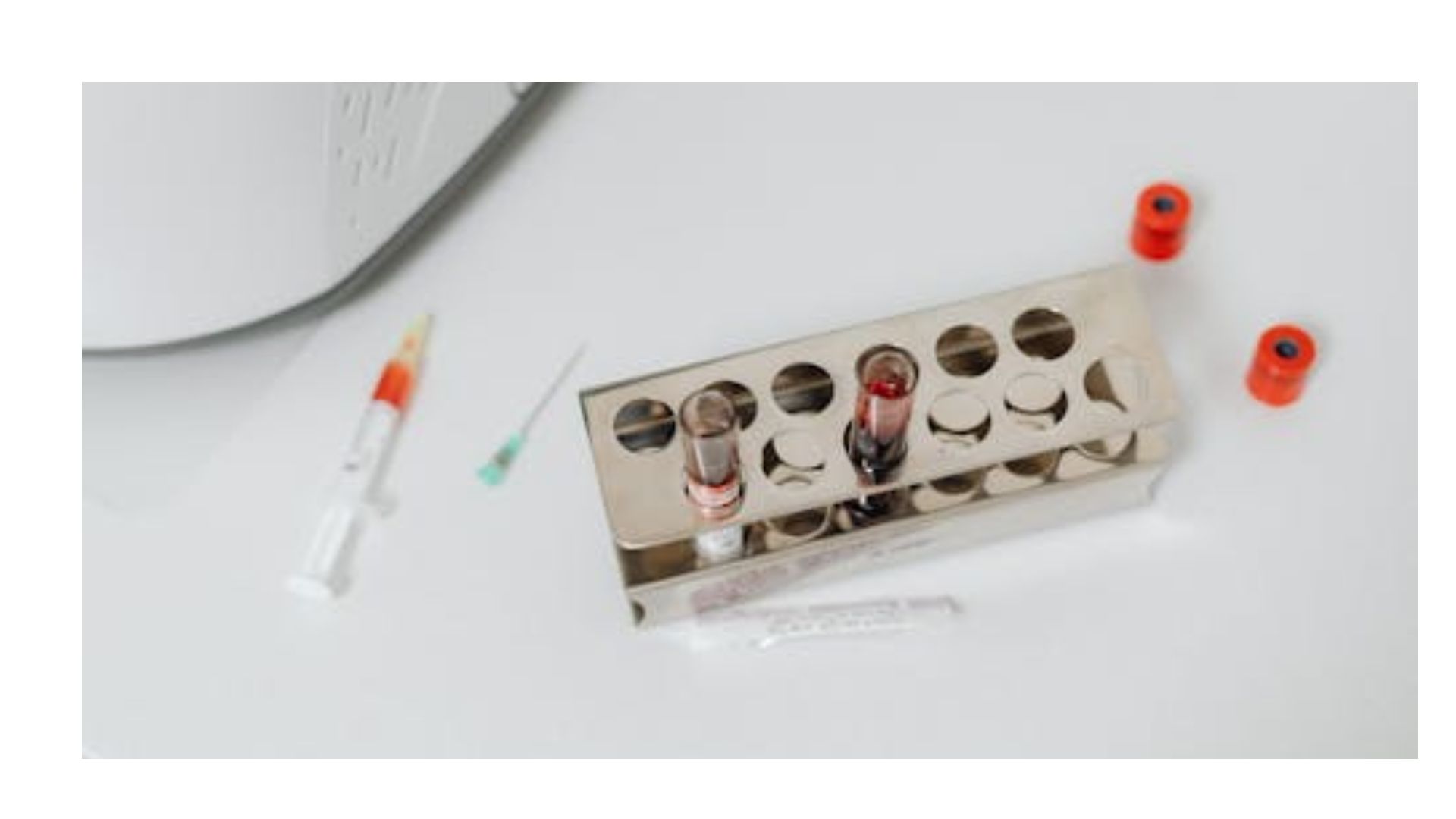
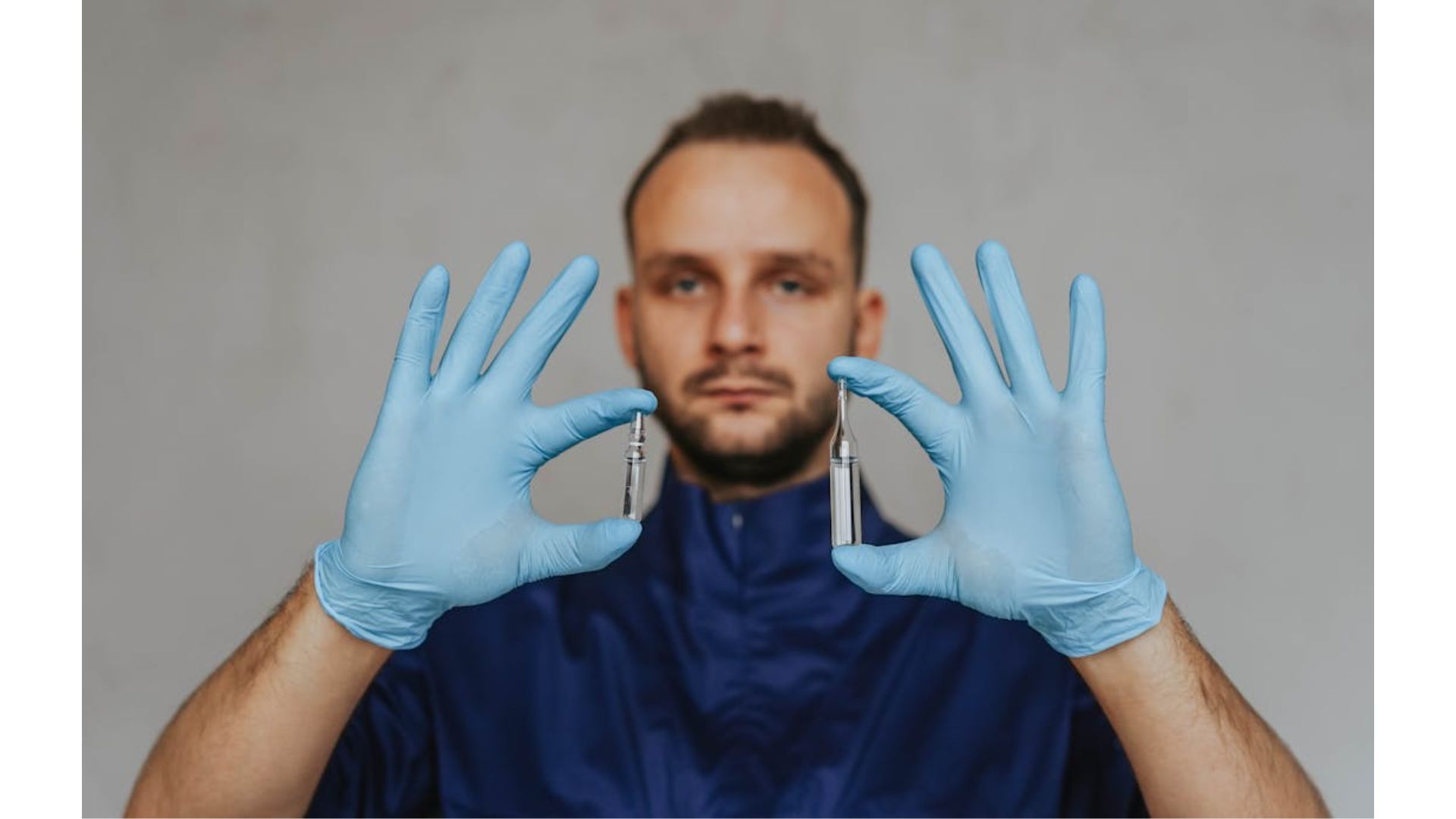
Platelet-Rich Plasma (PRP) therapy is a non-surgical hair restoration treatment that uses your body’s natural healing properties.
How PRP Works
- Blood is drawn and processed using centrifuge technology
- Platelet-rich plasma is extracted
- PRP is injected into the scalp
Benefits of PRP
- Stimulates hair follicle activity
- Improves blood circulation in the scalp
- Encourages natural hair growth
- Minimal downtime
Best For
- Thinning hair
- Early-stage hair loss
- Hair follicle miniaturization
PRP is ideal if you want a natural, non-invasive solution to strengthen existing hair.
What is a Hair Transplant Procedure?
A hair transplant is a surgical procedure that restores hair by moving follicles from one area of the scalp to another.
Common Techniques
- FUE (Follicular Unit Extraction): Individual follicles are extracted and implanted
- FUT (Follicular Unit Transplantation): A strip of scalp is removed and divided into grafts
How It Works
- Hair is taken from a donor area (back/sides of scalp)
- Grafts are implanted into bald areas
Benefits
- Permanent hair restoration
- Natural-looking results
- Ideal for bald patches and receding hairlines
PRP vs Hair Transplant: Key Differences
| Feature | PRP Therapy | Hair Transplant |
|---|---|---|
| Type | Non-surgical | Surgical |
| Best For | Early hair loss | Advanced baldness |
| Results | Temporary | Permanent |
| Downtime | Minimal | 1–2 weeks |
| Cost | Lower per session | Higher upfront |
How PRP Therapy and Hair Transplant Work
How PRP Therapy Works for Hair Loss
PRP contains growth factors that:
- Stimulate dormant hair follicles
- Improve scalp blood circulation
- Strengthen existing hair
How Hair Transplant Works
- Hair follicles are relocated to bald areas
- Transplanted hair grows naturally
- Provides long-term, permanent coverage
Recovery Time and Hair Growth Timeline
PRP Recovery Timeline
- Minimal downtime
- Resume normal activities same day
- Results visible in 3–6 months
Hair Transplant Recovery Timeline
- 7–10 days initial healing
- Temporary “shock loss” may occur
- Full results in 9–12 months
Who is the Ideal Candidate for Each Treatment?
Candidates for PRP Therapy
- Early-stage hair loss
- Diffuse thinning
- Active hair follicles
Candidates for Hair Transplant
- Advanced hair loss
- Bald spots or receding hairline
- Healthy donor hair available
PRP vs Hair Transplant Effectiveness and Results
- PRP improves hair thickness and density
- Hair transplant provides visible, permanent regrowth
👉 For mild thinning → PRP works well
👉 For bald areas → transplant is more effective
Cost Comparison: PRP vs Hair Transplant (USA)
PRP Treatment Cost
- $300 – $1,500 per session
- Multiple sessions required
Hair Transplant Cost
- $4,000 – $15,000+
- Cost per graft: $5–$8
Long-Term Value
- PRP requires maintenance
- Transplant is a one-time investment
Pros and Cons of PRP vs Hair Transplant
PRP Pros
- Non-surgical
- Safe and natural
- Minimal downtime
PRP Cons
- Temporary results
- Requires ongoing sessions
Hair Transplant Pros
- Permanent solution
- Natural-looking results
Hair Transplant Cons
- Higher upfront cost
- Surgical recovery
Can PRP and Hair Transplant Be Combined?
Yes—combining both treatments can enhance results.
Benefits:
- Faster healing
- Improved graft survival
- Increased hair density
PRP is often used after transplant as a maintenance treatment.
PRP vs Hair Transplant: Which Is Better for You?
Choosing the right option depends on:
- Stage of hair loss
- Budget
- Desired results
👉 Choose PRP if:
- You have early thinning
- You want a non-surgical option
👉 Choose Hair Transplant if:
- You have visible bald spots
- You want permanent results
Before and After Results: What to Expect
- PRP: gradual improvement in thickness
- Transplant: fuller, natural-looking hair
Results vary, but most patients see:
- Increased hair density
- Improved hairline
- Better overall appearance
FAQs About PRP vs Hair Transplant
Which is better PRP or hair transplant?
It depends on your hair loss stage. PRP is best for early thinning, while transplants are ideal for advanced baldness.
Is PRP effective for hair loss?
Yes, PRP is effective for improving hair density and slowing hair loss.
Does hair transplant last forever?
Yes, transplanted hair is typically permanent and continues to grow naturally.
How long does PRP hair treatment last?
Results last several months and require maintenance sessions.
What is the cost of PRP vs hair transplant?
PRP costs less initially, while hair transplants have a higher upfront cost but permanent results.
How We Ensure Medical Accuracy
- Content reviewed by experienced professionals
- Based on clinical research and real-world results
- Regular updates to reflect latest advancements