Knee Pain Causes: Reasons Your Knees Hurt (And What to Do About It)
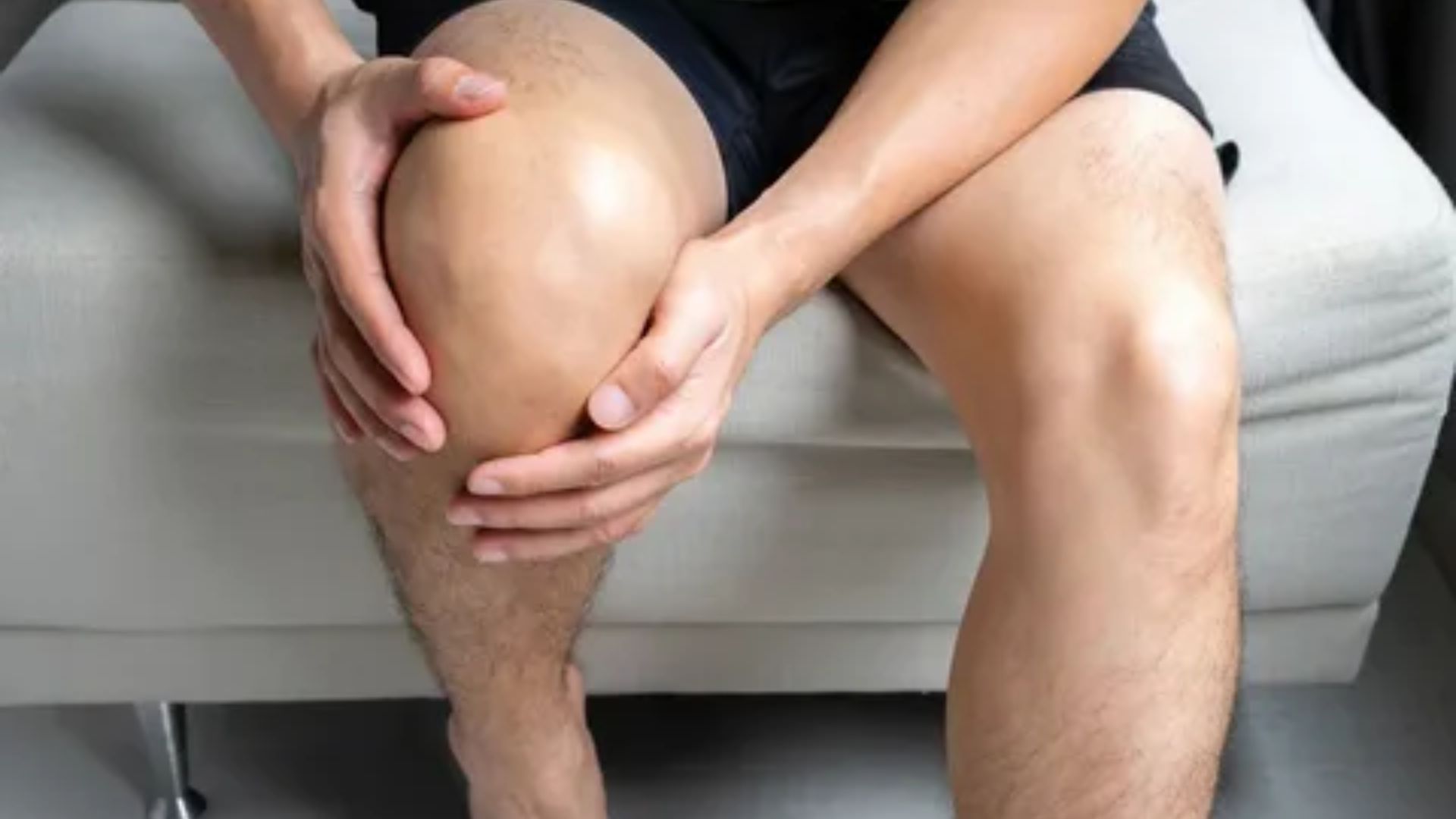
Knee pain is one of the most common joint problems in the United States. According to the National Institutes of Health (NIH), millions of adults experience knee joint pain every year. For parents, knee pain can make daily tasks—like playing with kids, walking, or climbing stairs—much harder.
The knee is a powerful joint that carries your body weight and helps you move. When something goes wrong in this joint, painful knees can quickly affect your daily life.
In this guide, we’ll explain the most common knee pain causes, the symptoms to watch for, and what you can do to treat or prevent knee problems.
Understanding the Knee Joint Anatomy
Before learning about knee pain, it helps to understand how the knee works.
The knee joint connects three major bones:
- Femur bone (thigh bone)
- Tibia bone (shin bone)
- Patella (kneecap)
Several important tissues also support the joint:
- Meniscus cartilage – cushions the bones
- Cruciate ligament and collateral ligament – provide knee joint stability
- Patellar tendon – connects muscles to the knee
- Quadriceps muscles and hamstring muscles – help the knee move
When any of these structures become damaged or inflamed, it can lead to knee swelling, stiffness, and pain.
Common Causes of Knee Pain
There are many causes of knee pain, ranging from injuries to medical conditions.
Some of the most common causes include:
- Arthritis
- Knee ligament injury
- Meniscus tear
- Knee tendon inflammation
- Bursitis
- Gout
- Overuse injuries
Understanding the root cause is important because treatment varies depending on the condition.
Arthritis and Knee Joint Inflammation
One of the most common causes of knee joint pain is arthritis.
Osteoarthritis
Osteoarthritis knee pain occurs when knee cartilage gradually wears down over time.
Symptoms include:
- Knee stiffness
- swelling
- pain when climbing stairs
- reduced mobility
The Centers for Disease Control and Prevention (CDC) reports that osteoarthritis affects millions of Americans, especially adults over age 50.
Rheumatoid Arthritis
Rheumatoid arthritis knee is an autoimmune condition where the immune system attacks the joints.
This can cause:
- severe joint inflammation
- warmth and swelling
- joint damage over time
Early treatment can help slow the disease.
Knee Injuries and Ligament Tears
Active parents and athletes often experience knee injuries.
Common injuries include:
ACL Injury
The anterior cruciate ligament (ACL) helps stabilize the knee.
An ACL knee injury may cause:
- knee popping sound
- sudden swelling
- knee instability
- difficulty walking
Meniscus Tear
A meniscus tear affects the cartilage that cushions the knee joint.
Symptoms include:
- knee locking sensation
- pain when bending knee
- swelling
- reduced movement
Sports injuries and sudden twisting motions are common causes.
Tendon and Overuse Problems
Repeated movements can lead to knee tendon inflammation.
One example is patellar tendonitis, often called jumper’s knee.
This condition can occur from:
- running
- jumping sports
- repetitive kneeling
Symptoms may include:
- pain below the kneecap
- knee stiffness
- swelling after activity
Rest and physical therapy are common treatments.
Other Medical Conditions That Cause Knee Pain
Sometimes knee pain develops from other health conditions.
Bursitis
Knee bursae are fluid-filled sacs that reduce friction in the joint.
When inflamed, bursitis causes:
- swelling
- warmth
- tenderness
Gout
Gout knee pain occurs when uric acid crystals build up in the joint.
This can cause sudden:
- severe pain
- redness
- swelling
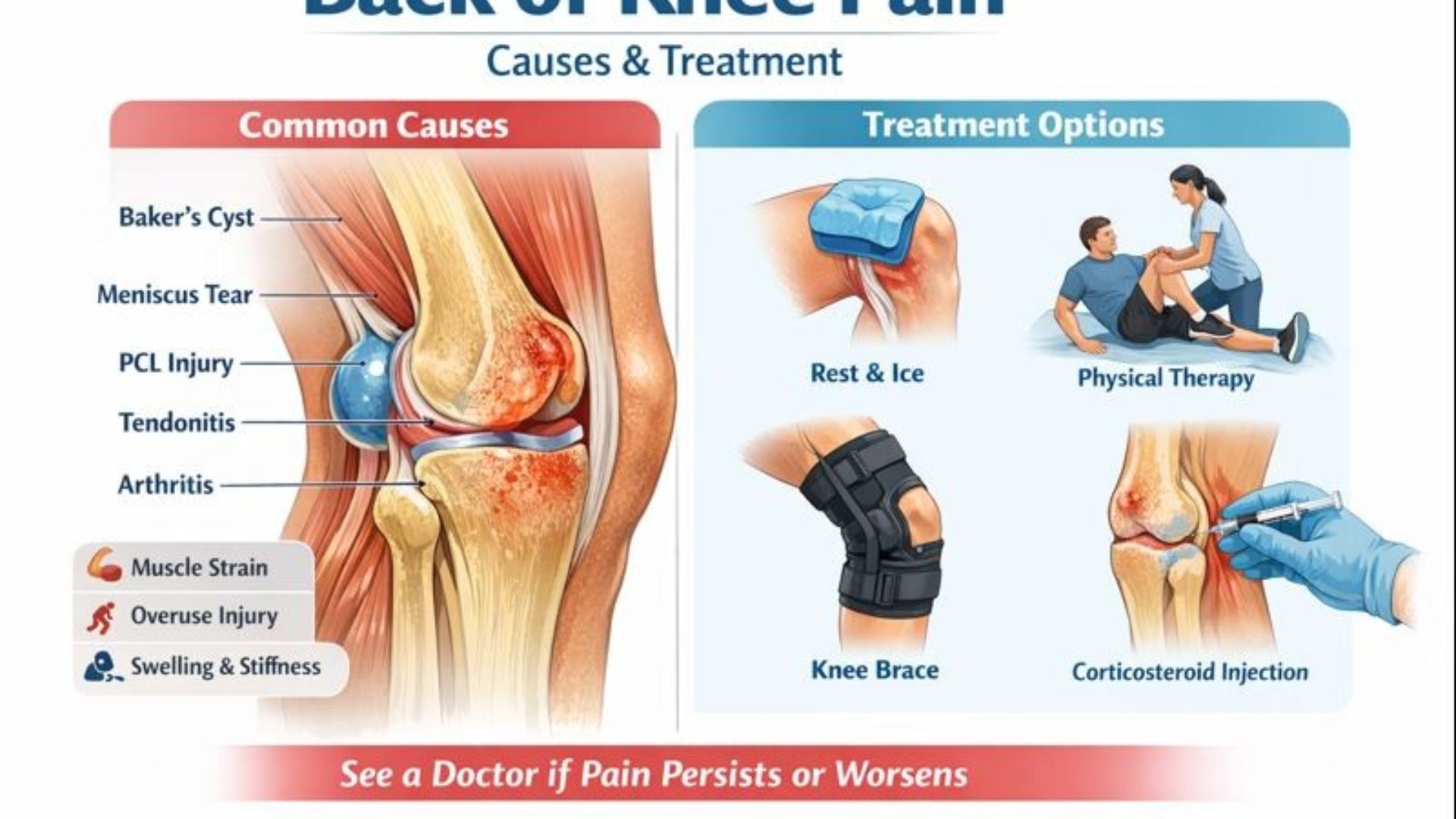
Baker’s Cyst
A Baker’s cyst knee is a fluid-filled swelling behind the knee.
It may cause:
- tightness
- swelling
- limited movement
Symptoms That Signal a Knee Problem
Some symptoms suggest a more serious knee condition.
Watch for:
- knee swelling
- knee stiffness
- pain when climbing stairs
- knee popping sound
- knee instability
- difficulty walking
If symptoms last longer than two weeks, it’s best to seek medical care.
How Doctors Diagnose Knee Pain
Doctors use several methods to diagnose knee problems.
These may include:
- Physical examination
- MRI scan knee
- X-rays
- Arthroscopy
- Arthrography
These tests help identify injuries like ligament tears or knee cartilage damage.
Treatment Options for Knee Pain
Treatment depends on the cause of knee pain.
Conservative Treatments
Many people find relief with:
- rest and knee immobilization
- anti-inflammatory medications
- physical therapy
- knee brace support
Medical Treatments
Doctors may recommend:
- corticosteroid injections
- arthroscopic knee surgery
- osteotomy surgery
Surgery
For severe cases of arthritis, doctors may suggest total knee replacement surgery.
This procedure replaces damaged cartilage and bone with artificial parts.
How to Protect Your Knees and Prevent Pain
Parents often put a lot of stress on their knees through daily activities.
Simple habits can help protect your joints.
Maintain a Healthy Weight
Extra weight increases pressure on knee joints.
Exercise Regularly
Low-impact exercises include:
- walking
- cycling
- swimming
Strengthen Leg Muscles
Strong quadriceps and hamstrings support knee joint stability.
Wear Supportive Shoes
Proper footwear reduces joint stress.
Conclusion
Knee pain can affect people of all ages, but understanding the most common knee pain causes can help you take control of your health.
Conditions such as arthritis, ligament injuries, tendon inflammation, and cartilage damage are among the leading reasons for painful knees. The good news is that many knee problems can be managed with early diagnosis, proper treatment, and healthy lifestyle habits.
If you notice persistent pain, swelling, or difficulty walking, don’t ignore the symptoms. Talk to a healthcare provider to get the right diagnosis and treatment plan.
By taking care of your knees today, you can stay active, keep up with your children, and enjoy a healthier future.
FAQ
What is the most common cause of knee pain?
The most common cause is osteoarthritis, which occurs when knee cartilage gradually wears down.
When should I see a doctor for knee pain?
You should see a doctor if knee pain lasts more than two weeks, worsens, or causes swelling or instability.
Can knee pain go away on its own?
Yes. Minor injuries or overuse can improve with rest, ice, and physical therapy.
What helps relieve knee pain quickly?
Common knee pain relief methods include rest, ice, anti-inflammatory medications, and knee braces.
Is knee pain a sign of arthritis?
Sometimes. Chronic knee pain combined with stiffness and swelling may indicate arthritis.