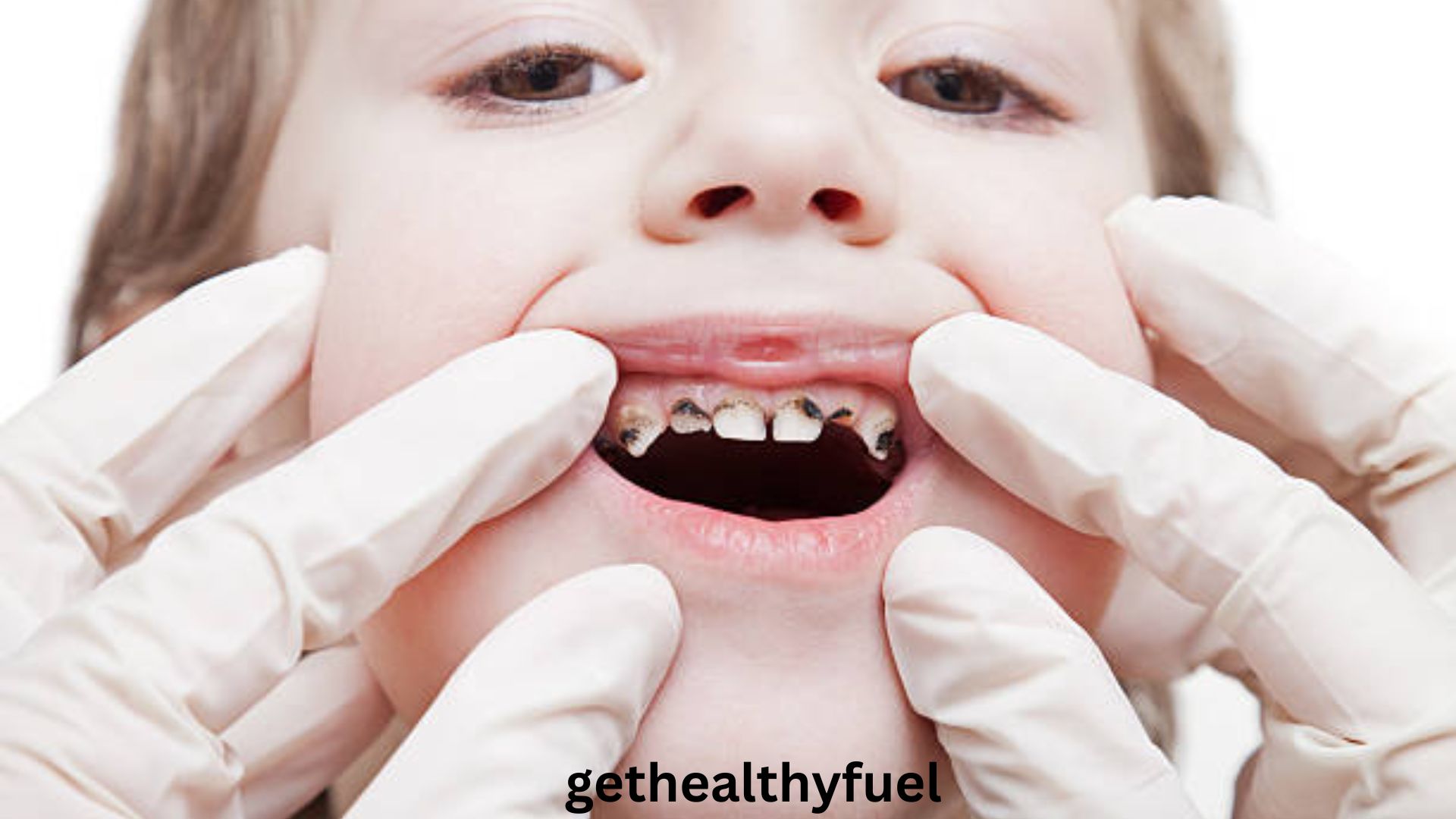
Early Stage Cavities: Different Ways to Stop and Reverse Tooth Decay
Tooth decay is one of the most common oral health problems in the United States. Even people who brush regularly can develop cavities in teeth over time. The good news is that when tooth decay is caught early, there are steps that may help support your body’s natural ability to protect and strengthen teeth.
Understanding how cavities develop and recognizing the stages of tooth decay early can make a big difference in maintaining healthy teeth for years to come. Below, we’ll explore how early cavities form, what warning signs to watch for, and practical habits that may help maintain strong teeth and healthy gums.
What Is a Cavity and How Does It Form?
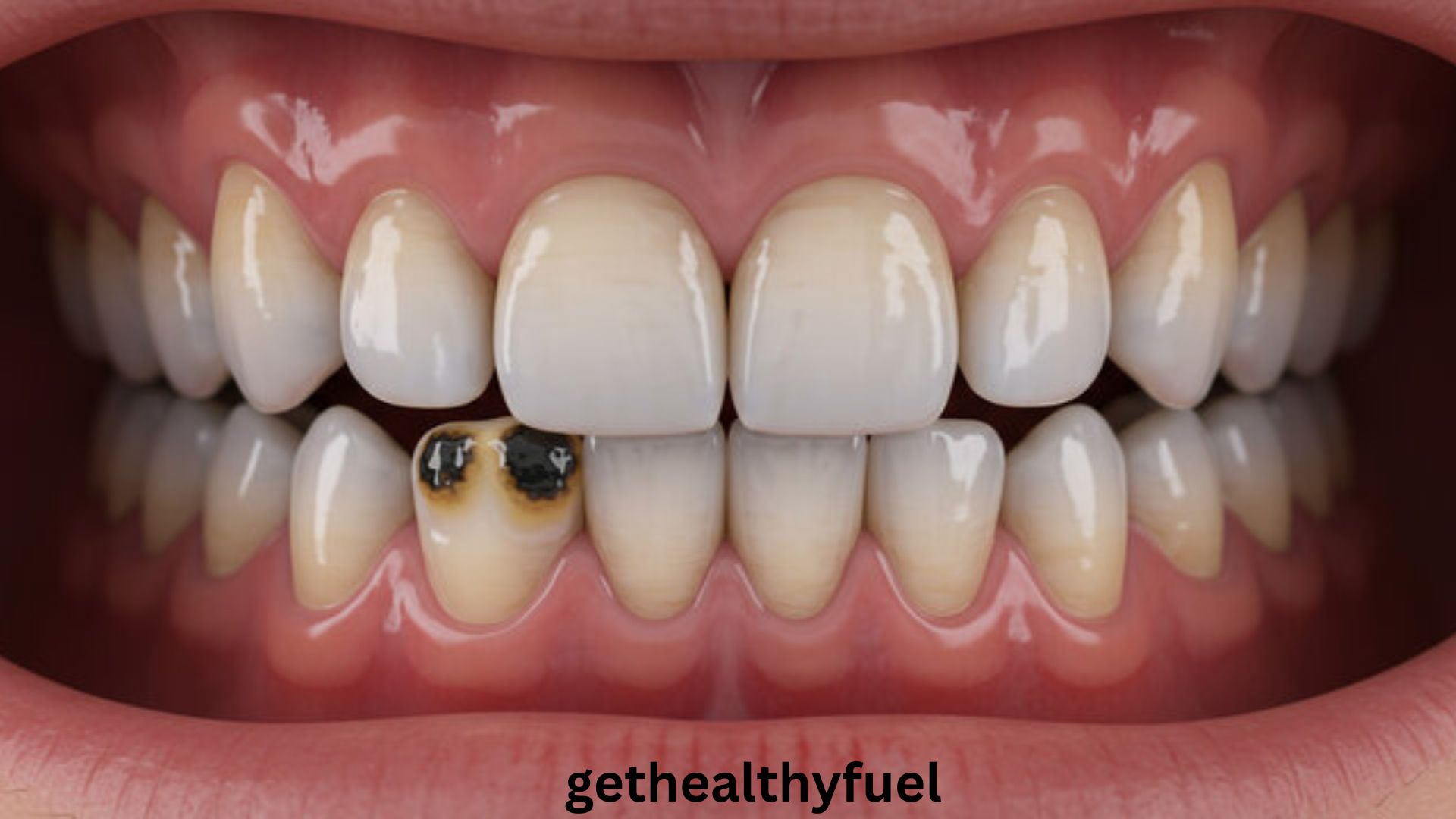
A cavity is a small area of tooth damage that forms when the protective outer layer of a tooth, known as tooth enamel, begins to break down. Tooth enamel is the hardest substance in the human body, but it can gradually weaken over time.
Cavities typically start with plaque buildup. Dental plaque is a sticky film made up of oral bacteria, food particles, and saliva that forms on the surface of your teeth throughout the day.
Here’s what usually happens:
- Bacteria in the mouth feed on sugars and starches from food.
- As bacteria digest these sugars, they produce bacteria acids.
- These acids cause an acid attack on teeth, gradually wearing away minerals from the enamel.
- Over time, this mineral loss in teeth may lead to tiny holes in the enamel.
If the process continues, decay can move deeper into the dentin layer, the softer tissue beneath enamel. The dentin contains microscopic tubes connected to the nerves of the tooth, which is why people often begin experiencing tooth sensitivity at this stage.
Without proper plaque removal, the bacteria may eventually reach the dental pulp, the inner part of the tooth containing nerves and blood vessels. At this point, more serious dental care may be needed.
Can Cavities Really Be Reversed?
Many people are surprised to learn that early stage tooth decay may sometimes improve when the enamel is still intact. In the earliest stage, enamel loses minerals but hasn’t yet developed a permanent hole.
At this stage, research suggests certain habits may help support remineralization, the natural process in which minerals such as calcium and phosphate are restored to the enamel surface.
These habits may help maintain enamel health:
- Consistent brushing and flossing
- Using fluoride toothpaste
- Maintaining strong oral hygiene habits
- Drinking fluoridated water
- Eating foods that support saliva production
Saliva plays a major role in protecting teeth. It helps neutralize acids, wash away food particles, and supply minerals that support enamel repair.
However, once a cavity forms a visible hole in the enamel, natural remineralization alone usually cannot restore the tooth structure. At that stage, a dentist may recommend appropriate cavity treatment.
Signs of Early Tooth Decay
Early tooth decay doesn’t always cause pain. In fact, many people don’t notice symptoms until the cavity becomes larger.
Still, there are several tooth decay symptoms that may indicate the early stages of damage:
- White or chalky spots on teeth (often an early sign of enamel erosion)
- Mild tooth sensitivity to hot, cold, or sweet foods
- Slight tooth discoloration
- A rough or sticky feeling on the tooth surface
- Occasional mild discomfort
As decay progresses deeper into the tooth, you may notice:
- Stronger sensitivity
- Pain when biting
- Possible tooth nerve pain
- Visible holes or dark spots
Regular dental checkups are important because dentists can often identify early decay before symptoms become noticeable.
Why Early Treatment Matters
Addressing tooth decay early can make a significant difference in protecting long-term dental health.
When enamel damage is caught early, supportive care may help maintain tooth strength and slow further enamel erosion. Waiting too long may allow bacteria to penetrate deeper layers of the tooth.
Early attention matters because:
- The dentin layer is softer than enamel and more vulnerable to acid damage.
- Once bacteria reach the dental pulp, inflammation and infection may occur.
- Advanced decay may cause significant tooth nerve pain.
- Dental procedures can become more complex if decay spreads to tooth roots.
By recognizing early warning signs and maintaining good healthy teeth care habits, many people can reduce the likelihood of more extensive dental issues later on.
Some Ways to Help Stop and Reverse Early Cavities
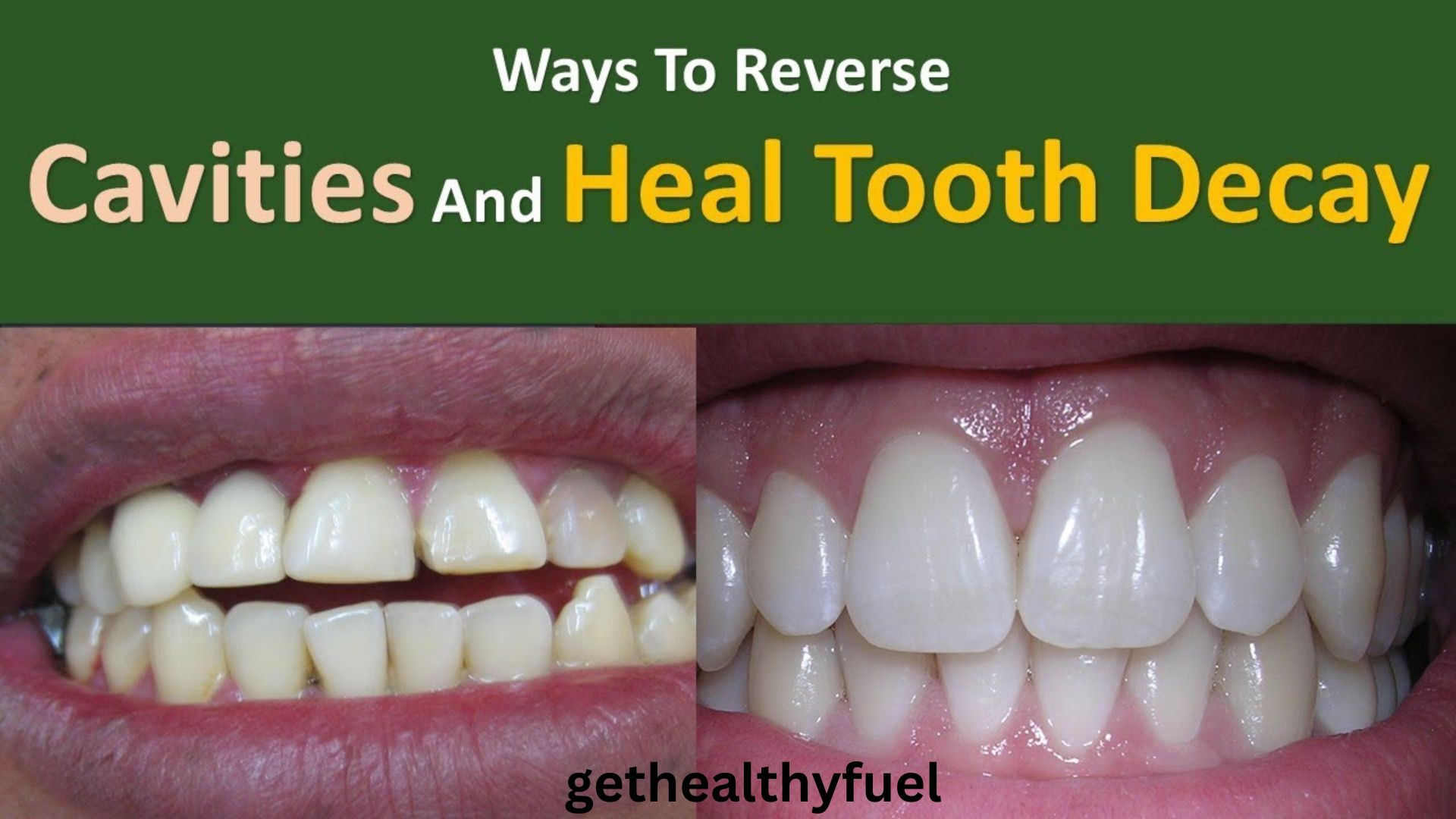
If tooth decay is detected in its early stage, certain daily habits may help support enamel health and reduce further damage. While these strategies are not guaranteed solutions, they are commonly recommended as part of good oral hygiene habits.
1. Improve Brushing and Flossing Habits
Consistent brushing and flossing helps remove dental plaque before it hardens into tartar buildup.
Helpful habits include:
- Brushing at least twice daily
- Using gentle circular motions
- Cleaning along the gum line
- Flossing once per day to remove food particles between teeth
Regular plaque removal reduces the amount of bacteria that produce acids.
2. Use Fluoride Toothpaste
Fluoride toothpaste is widely recommended by dental professionals because fluoride may help support enamel remineralization and strengthen tooth surfaces.
Fluoride is also commonly added to public water supplies in the United States.
3. Limit Sugary Foods and Drinks
Diet plays a major role in sugary foods and tooth decay.
Foods that tend to increase cavity risk include:
- Candy
- Sugary drinks
- Sticky desserts
- Sweetened cereals
These foods feed bacteria in the mouth, increasing acid production. Reducing frequent sugar exposure may help limit the acid attack on teeth.
4. Choose Foods That Support Saliva Production
Saliva is one of the body’s natural defenses against cavities. It helps neutralize acids and wash away bacteria.
Foods that may support saliva production include:
- Crunchy fruits and vegetables
- Cheese
- Nuts
- Sugar-free gum
Higher saliva flow helps keep the mouth cleaner between brushing sessions.
5. Schedule Regular Dental Checkups
Routine dental checkups allow dental professionals to monitor enamel health and detect early cavities before they worsen.
Professional cleanings also help remove hardened plaque or tartar buildup that cannot be removed with regular brushing alone.
What Happens If a Cavity Cannot Be Reversed?
If tooth decay progresses beyond the early stages, the damage may extend deeper into the tooth.
At this point, a dental professional may recommend different cavity treatment options depending on the severity of the decay.
These may include:
- Dental fillings
- Protective dental crowns
- Root canal procedures in more advanced cases
When decay reaches the dental pulp, inflammation may affect the nerves and blood vessels inside the tooth. This can lead to discomfort or infection that requires professional care.
The earlier decay is detected, the simpler the treatment options usually are.
Can Cavities in Children Be Reversed?
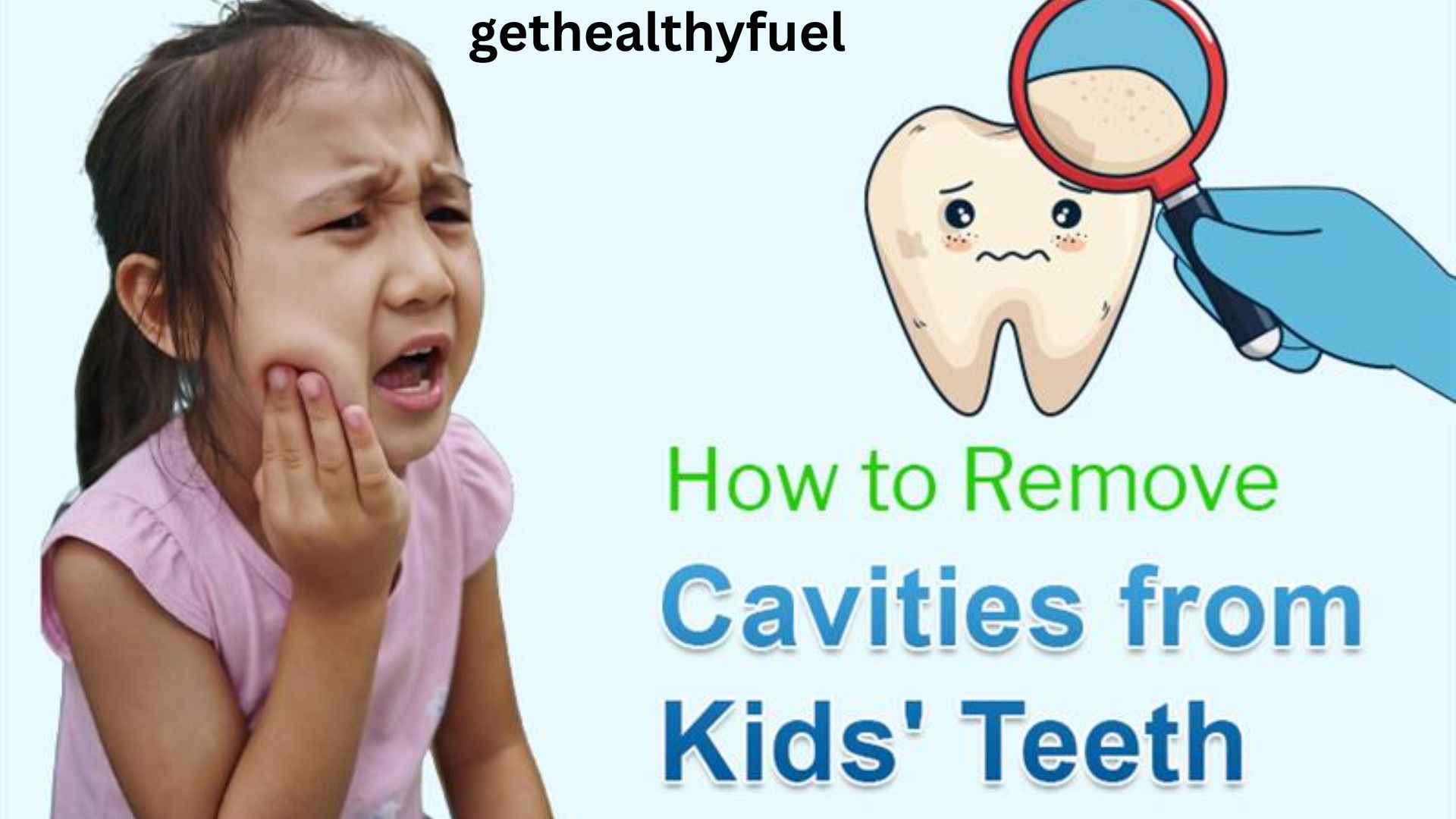
Yes, early-stage cavities in children may also improve with supportive care if detected early enough. However, kids tooth decay tends to progress more quickly than adult cavities because baby teeth have thinner enamel.
Parents can support healthy teeth in children by encouraging strong oral habits:
- Brushing with age-appropriate fluoride toothpaste
- Teaching proper brushing and flossing
- Limiting sugary snacks and drinks
- Scheduling routine pediatric dental checkups
One condition that parents should be aware of is baby bottle tooth decay. This can occur when infants regularly fall asleep with bottles containing milk, formula, or juice. Sugars from these liquids may remain on the teeth overnight and feed oral bacteria.
Helping children build strong oral habits early can support lifelong dental health.
Are White Spots on Teeth Always Cavities?
Not always. White spots on teeth can appear for several reasons, and they don’t automatically mean a cavity has formed.
Possible causes include:
- Early enamel erosion
- Mineral loss in teeth
- Fluorosis from excessive fluoride exposure during childhood
- Plaque accumulation around braces
In many cases, these spots represent early enamel changes rather than permanent cavities. A dental professional can evaluate the cause and recommend appropriate care if needed.
Prevention Is Always the Best Strategy
While early cavities may sometimes improve with supportive care, the most reliable approach is focusing on long-term cavity prevention tips.
Consistent daily habits can help maintain healthy teeth and reduce risk factors for decay.
Important prevention strategies include:
- Brushing twice daily with fluoride toothpaste
- Daily flossing for effective plaque removal
- Limiting frequent snacking on sugary foods
- Drinking fluoridated water when available
- Scheduling regular dental checkups
- Maintaining balanced nutrition for healthy teeth care
These simple habits help reduce plaque buildup, limit acid exposure, and support stronger tooth enamel over time.
Protecting your smile doesn’t require perfection—just consistent attention to oral health. Small daily choices can go a long way toward maintaining healthy teeth and avoiding more serious dental issues later.
Disclaimer:
This article is for informational purposes only and is not a substitute for professional medical advice. Always consult your healthcare provider before making changes to your diet, exercise, or health routine.