
Obesity and Overweight: Causes, Risks, Prevention & Treatment
Introduction
Obesity and overweight have become some of the most significant public health challenges in the United States and around the world. Over the past few decades, rising rates of excess body fat have affected millions of adults and children, increasing the risk of chronic diseases while placing enormous pressure on healthcare systems.
Although many people think obesity is simply the result of eating too much or exercising too little, the reality is far more complex. Genetics, hormones, mental health, sleep quality, medications, environmental factors, and modern lifestyles all influence how our bodies gain and store fat. Understanding these factors is the first step toward making informed decisions about your health.
According to global health experts, obesity is now recognized as a chronic, relapsing disease rather than a personal failure. This shift in understanding has encouraged healthcare professionals to focus on long-term treatment, prevention, and compassionate care instead of blame or stigma.
Whether you’re trying to lose weight, support a loved one, or simply understand the difference between overweight and obesity, this comprehensive guide provides evidence-based information to help you make healthier choices. You’ll learn how obesity develops, how it’s diagnosed, what health risks it carries, and which prevention and treatment strategies actually work.
Key Takeaway: Obesity is more than a cosmetic concern. It is a complex medical condition that affects nearly every organ in the body, but with the right lifestyle changes and medical support, it can often be prevented and effectively managed.
What Is Obesity?
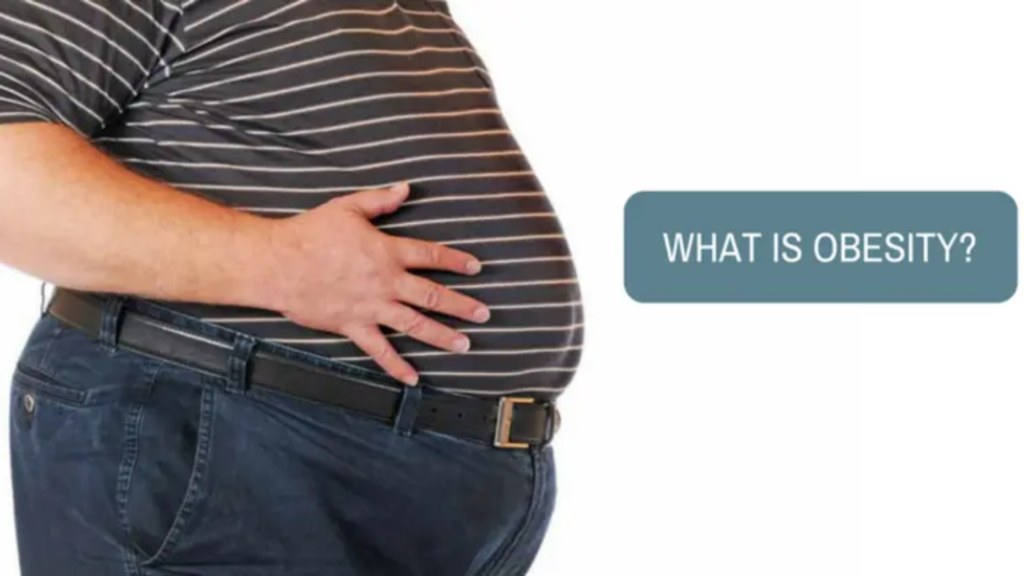
Obesity is a chronic disease characterized by an excessive accumulation of body fat that may impair health and increase the likelihood of developing serious medical conditions. While many people associate obesity with body weight alone, healthcare professionals evaluate it based on the amount of excess fat and its impact on overall health.
Unlike temporary weight gain, obesity develops gradually when the body consistently stores more energy than it burns. This imbalance often results from a combination of biological, behavioral, environmental, and social factors rather than a single cause.
Today, obesity affects people of all ages, including children, adolescents, and older adults. It has become one of the leading contributors to preventable illnesses, reducing quality of life and increasing healthcare costs worldwide.
Why Is Obesity Considered a Disease?
Medical experts now classify obesity as a chronic disease because it:
- Develops over time and often persists without treatment.
- Involves complex interactions between genetics, hormones, metabolism, and lifestyle.
- Significantly increases the risk of chronic illnesses.
- Frequently requires long-term management rather than short-term dieting.
- Can recur after weight loss if healthy habits are not maintained.
Recognizing obesity as a disease encourages earlier diagnosis, personalized treatment, and reduced stigma for those affected.
How Common Is Obesity?
Obesity has reached epidemic levels across the globe. Millions of adults and children now live with excess body fat that increases their risk of preventable diseases.
Recent public health data show that:
- Adult obesity rates have risen dramatically over the past three decades.
- Childhood obesity continues to increase, making early prevention more important than ever.
- Sedentary lifestyles, processed foods, and changing dietary habits have contributed significantly to the growing prevalence of overweight and obesity.
- Obesity affects individuals across all income levels, ethnic backgrounds, and age groups.
These trends highlight why maintaining a healthy weight has become one of the most important goals for improving long-term health.
Why Maintaining a Healthy Weight Matters
Achieving and maintaining a healthy weight provides benefits that extend far beyond appearance. Even a modest reduction in body weight can improve overall health and lower the risk of chronic diseases.
Benefits include:
- Improved heart health
- Better blood sugar control
- Lower blood pressure
- Reduced joint pain
- Increased energy levels
- Improved sleep quality
- Better mobility
- Enhanced mental well-being
- Lower risk of chronic diseases
- Increased life expectancy
Healthy weight management is about creating sustainable lifestyle habits rather than following restrictive diets or quick-fix solutions.
Difference Between Overweight and Obesity
Many people use the terms overweight and obesity interchangeably, but they are not the same. Both describe excess body weight, yet obesity generally indicates a higher level of body fat and a greater risk of health complications.
The most common screening tool used by healthcare providers is the Body Mass Index (BMI), which compares a person’s weight to their height.
BMI Categories for Adults
| BMI Range | Weight Classification |
|---|---|
| Below 18.5 | Underweight |
| 18.5–24.9 | Healthy Weight |
| 25.0–29.9 | Overweight |
| 30.0 or higher | Obesity |
Although BMI is a useful screening tool, it is not a perfect measure. It does not distinguish between fat and muscle or show where fat is stored in the body. For this reason, healthcare professionals may also evaluate:
- Waist circumference
- Body fat percentage
- Medical history
- Lifestyle habits
- Family history
- Blood pressure
- Blood sugar levels
- Cholesterol levels
A comprehensive assessment provides a clearer picture of an individual’s health than BMI alone.
Overweight vs. Obesity: Key Differences
| Feature | Overweight | Obesity |
|---|---|---|
| BMI | 25.0–29.9 | 30.0 or higher |
| Excess Body Fat | Moderate | High |
| Disease Risk | Increased | Significantly Increased |
| Lifestyle Changes Needed | Usually Yes | Often Yes, with possible medical support |
| Risk of Chronic Diseases | Moderate | High |
Can Someone Have a Normal BMI but Unhealthy Body Fat?
Yes. Some individuals have a normal BMI yet carry excess abdominal fat or have low muscle mass. This condition, sometimes referred to as normal-weight obesity, may still increase the risk of metabolic disorders, cardiovascular disease, and insulin resistance.
Conversely, athletes with high muscle mass may have a BMI in the overweight range while maintaining a low body fat percentage and excellent overall health. This is why BMI should always be interpreted alongside other health assessments.
How Obesity Is Diagnosed, Common Causes, Risk Factors & Symptoms
How Is Obesity Diagnosed?
Many people assume obesity is diagnosed simply by stepping on a scale. In reality, healthcare providers evaluate several factors before determining whether someone has overweight or obesity. While Body Mass Index (BMI) is the most commonly used screening tool, it is only one part of a complete health assessment.
Doctors also consider body fat distribution, medical history, lifestyle habits, and the presence of obesity-related health conditions to gain a more accurate understanding of a person’s overall health.
1. Body Mass Index (BMI)
Body Mass Index (BMI) is calculated by comparing a person’s weight with their height.
Formula:
BMI = Weight (kg) ÷ Height² (m²)
BMI provides a quick estimate of whether an adult falls within a healthy weight range.
Adult BMI Categories
| BMI | Classification |
|---|---|
| Below 18.5 | Underweight |
| 18.5–24.9 | Healthy Weight |
| 25–29.9 | Overweight |
| 30–34.9 | Obesity (Class I) |
| 35–39.9 | Obesity (Class II) |
| 40+ | Severe (Class III) Obesity |
Although BMI is useful for screening large populations, it does have limitations.
For example, athletes often have higher muscle mass, which may increase BMI without increasing body fat. Similarly, some people with a normal BMI may still have excessive abdominal fat that raises their risk of chronic disease.
2. Waist Circumference
Where body fat is stored matters just as much as how much body fat a person has.
Fat stored around the abdomen—known as visceral fat—is associated with a greater risk of:
- Heart disease
- Type 2 diabetes
- Stroke
- High blood pressure
- Fatty liver disease
- Metabolic syndrome
Healthcare providers often measure waist circumference because it helps estimate abdominal fat.
Generally, health risks increase when waist circumference exceeds:
- Men: More than 40 inches (102 cm)
- Women: More than 35 inches (88 cm)
3. Medical Evaluation
A complete obesity assessment may also include:
- Blood pressure measurement
- Blood sugar testing
- Cholesterol levels
- Liver function tests
- Thyroid evaluation
- Medication review
- Family medical history
- Physical activity assessment
- Sleep habits
- Dietary patterns
These evaluations help identify conditions that may contribute to weight gain or result from obesity.
4. Additional Body Composition Tests
In some situations, healthcare professionals may recommend more advanced methods for measuring body fat, including:
- Body fat percentage analysis
- Skinfold measurements
- Bioelectrical impedance analysis (BIA)
- Dual-energy X-ray absorptiometry (DEXA)
- Imaging tests such as MRI or CT scans
These tests provide a more detailed picture of body composition but are generally reserved for specific clinical situations.
Common Causes of Obesity
Obesity rarely develops because of one single factor. Instead, it results from a complex interaction between biology, lifestyle, environment, and genetics.
Understanding these causes can help individuals focus on sustainable changes rather than blaming themselves for weight gain.
1. Consuming More Calories Than the Body Burns
The most common cause of obesity is a long-term imbalance between energy intake and energy expenditure.
When you consistently consume more calories than your body uses for daily activities, the extra energy is stored as body fat.
Modern lifestyles often make this easier than ever because calorie-dense foods are widely available while physical activity has decreased.
Examples include:
- Oversized restaurant portions
- Frequent fast-food meals
- Sugary drinks
- High-calorie snacks
- Late-night eating
Over time, even a small daily calorie surplus can lead to significant weight gain.
2. Poor Dietary Habits
Diet quality plays a major role in weight management.
Eating patterns associated with obesity include:
- Frequent fast-food consumption
- Processed foods high in sugar and saturated fat
- Sugary beverages
- Refined carbohydrates
- Excess desserts
- Emotional eating
- Mindless snacking
- Large portion sizes
Replacing these foods with fruits, vegetables, whole grains, lean protein, legumes, and healthy fats can support gradual, sustainable weight loss.
3. Physical Inactivity
Modern technology has dramatically reduced the amount of movement required in daily life.
Many adults now spend hours sitting at desks, driving, or using digital devices.
A sedentary lifestyle can contribute to obesity by lowering the number of calories burned throughout the day.
Simple activities such as walking, cycling, taking the stairs, or strength training can make a meaningful difference over time.
4. Genetics
Genes influence how the body:
- Stores fat
- Regulates appetite
- Uses energy
- Responds to exercise
- Controls metabolism
Having a family history of obesity does not guarantee someone will become obese, but it can increase susceptibility.
Healthy lifestyle habits can still significantly reduce this risk.
5. Hormonal Conditions
Certain hormonal disorders can contribute to weight gain, including:
- Hypothyroidism
- Cushing syndrome
- Polycystic ovary syndrome (PCOS)
- Insulin resistance
These conditions may slow metabolism, increase appetite, or alter how the body stores fat.
Treating the underlying condition often supports healthier weight management.
6. Certain Medications
Some prescription medications may cause weight gain as a side effect.
Examples include:
- Corticosteroids
- Certain antidepressants
- Some antipsychotic medications
- Anti-seizure drugs
- Certain diabetes medications
Patients should never stop prescribed medications without consulting their healthcare provider. In some cases, alternative treatments may be available.
7. Sleep Deprivation
Poor sleep affects hormones that regulate hunger and fullness.
People who regularly sleep less than recommended may experience:
- Increased appetite
- More cravings for sugary foods
- Reduced energy
- Increased calorie intake
- Slower metabolism
Prioritizing quality sleep is an often-overlooked component of long-term weight management.
8. Stress and Emotional Eating
Chronic stress can increase cortisol levels, which may encourage fat storage and trigger cravings for high-calorie comfort foods.
Many people eat in response to emotions such as:
- Anxiety
- Loneliness
- Depression
- Boredom
- Frustration
Learning healthier coping strategies can reduce emotional eating and improve overall well-being.
Major Risk Factors for Obesity
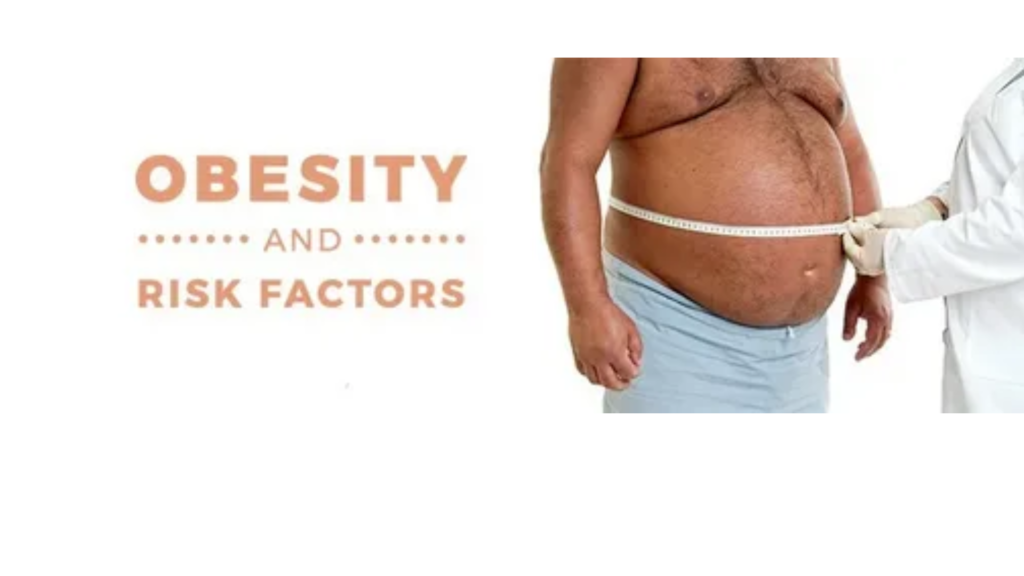
Certain factors increase a person’s likelihood of developing obesity.
Lifestyle Risk Factors
- Physical inactivity
- Unhealthy eating habits
- Excessive screen time
- Poor sleep quality
- High sugar intake
- Frequent consumption of processed foods
Biological Risk Factors
- Family history
- Hormonal disorders
- Aging
- Pregnancy-related weight retention
- Slow metabolism
Environmental Risk Factors
Modern environments often encourage weight gain by making unhealthy choices easier than healthy ones.
Examples include:
- Limited access to nutritious foods
- Lack of safe places for exercise
- Long working hours
- Heavy marketing of unhealthy foods
- Sedentary jobs
- Urban lifestyles with less physical activity
These influences are sometimes described as an obesogenic environment, meaning surroundings that promote obesity.
Signs and Symptoms of Obesity
Obesity develops gradually, and its symptoms may become more noticeable as excess body fat increases.
Common signs include:
- Increased body fat
- Larger waist circumference
- Difficulty with physical activity
- Shortness of breath during exercise
- Frequent fatigue
- Joint pain
- Back pain
- Poor sleep
- Snoring or sleep apnea
- Reduced mobility
- Excessive sweating
- Lower stamina
Many people also experience emotional challenges such as reduced self-confidence, anxiety, depression, or social stigma.
When Should You See a Healthcare Provider?
You should consider seeking medical advice if you:
- Have a BMI of 30 or higher
- Continue gaining weight despite lifestyle changes
- Experience breathing problems during sleep
- Develop high blood pressure or diabetes
- Have persistent joint pain
- Notice rapid or unexplained weight gain
- Feel your weight is interfering with daily activities
Early evaluation can help identify underlying causes and reduce the risk of long-term complications.
Key Takeaways
- Obesity is diagnosed using BMI alongside other health assessments such as waist circumference, medical history, and laboratory tests.
- Weight gain usually results from multiple interacting factors—not simply overeating.
- Genetics, hormones, stress, sleep, medications, diet, and physical inactivity all contribute to obesity risk.
- Recognizing symptoms early allows individuals to begin effective lifestyle changes and seek appropriate medical care before serious complications develop.
Health Risks, Prevention & Best Diet for Healthy Weight Management
Health Risks and Complications of Obesity
Obesity is far more than carrying extra weight. It is a chronic condition that affects nearly every organ system in the body. Excess body fat places additional strain on the heart, lungs, joints, liver, and endocrine system, increasing the risk of developing numerous chronic diseases.
The encouraging news is that even losing just 5–10% of your body weight can significantly improve blood pressure, blood sugar levels, cholesterol, and overall health.
Let’s explore the major health complications linked to obesity.
1. Heart Disease and Cardiovascular Problems
One of the most serious consequences of obesity is an increased risk of cardiovascular disease, the leading cause of death in the United States.
Excess body fat can lead to:
- High blood pressure (hypertension)
- High LDL (“bad”) cholesterol
- Low HDL (“good”) cholesterol
- Elevated triglycerides
- Atherosclerosis (hardening of the arteries)
These changes force the heart to work harder, increasing the likelihood of:
- Heart attack
- Heart failure
- Stroke
- Coronary artery disease
Heart Health Tip
Maintaining a healthy weight through balanced nutrition and regular physical activity can greatly reduce cardiovascular risk.
2. Type 2 Diabetes
Obesity is the strongest modifiable risk factor for type 2 diabetes.
Extra body fat—particularly around the abdomen—can make cells less responsive to insulin, a condition known as insulin resistance.
Over time, the pancreas struggles to produce enough insulin, causing blood sugar levels to rise.
Symptoms may include:
- Increased thirst
- Frequent urination
- Fatigue
- Blurred vision
- Slow-healing wounds
Managing body weight is one of the most effective ways to prevent or delay the onset of type 2 diabetes.
3. High Blood Pressure
Excess body fat increases the workload on the heart and blood vessels.
As weight rises, blood pressure often increases because:
- The heart pumps harder.
- Blood vessels become less flexible.
- Hormonal changes affect fluid balance.
Untreated hypertension significantly increases the risk of:
- Heart attack
- Stroke
- Kidney disease
- Vision loss
4. Sleep Apnea
Many people with obesity develop obstructive sleep apnea, a condition where breathing repeatedly stops and starts during sleep.
Common symptoms include:
- Loud snoring
- Morning headaches
- Daytime fatigue
- Poor concentration
- Interrupted sleep
Untreated sleep apnea increases the risk of:
- Heart disease
- High blood pressure
- Stroke
- Diabetes
Weight loss often improves or even resolves sleep apnea in many individuals.
5. Fatty Liver Disease
Excess fat may accumulate inside the liver, leading to nonalcoholic fatty liver disease (NAFLD).
If untreated, it can progress to:
- Liver inflammation
- Liver scarring (fibrosis)
- Cirrhosis
- Liver failure
A healthy diet and gradual weight loss are among the most effective treatments.
6. Joint Pain and Osteoarthritis
Carrying extra weight places enormous stress on joints, particularly the:
- Knees
- Hips
- Ankles
- Lower back
This additional pressure accelerates cartilage breakdown, increasing the risk of osteoarthritis.
Many individuals notice significant reductions in joint pain after modest weight loss.
7. Certain Types of Cancer
Research has linked obesity with an increased risk of several cancers, including:
- Breast cancer (after menopause)
- Colon cancer
- Kidney cancer
- Liver cancer
- Pancreatic cancer
- Endometrial cancer
- Esophageal cancer
Scientists believe chronic inflammation, hormonal changes, and insulin resistance all contribute to this increased risk.
8. Mental Health Effects
Obesity doesn’t only affect physical health—it can also impact emotional well-being.
Many individuals experience:
- Anxiety
- Depression
- Low self-esteem
- Social isolation
- Body image concerns
It’s important to remember that obesity is a complex medical condition, not a reflection of personal worth or willpower. Support from healthcare professionals, counselors, family, and friends can make a significant difference.
9. Reduced Quality of Life
Living with obesity may make everyday activities more challenging.
Common difficulties include:
- Walking long distances
- Climbing stairs
- Playing with children
- Exercising
- Sleeping comfortably
- Traveling
- Performing physically demanding work
Improving fitness and reducing excess body fat often lead to better mobility, increased energy, and a higher quality of life.
How to Prevent Obesity Naturally
Preventing obesity doesn’t require extreme diets or unrealistic exercise routines. Instead, it involves building healthy habits that can be maintained over time.
Here are science-backed strategies that support lifelong weight management.
1. Eat a Balanced Diet
Healthy eating is the foundation of obesity prevention.
Focus on:
✅ Fruits
✅ Vegetables
✅ Whole grains
✅ Lean proteins
✅ Beans and legumes
✅ Low-fat dairy
✅ Healthy fats
These nutrient-dense foods provide vitamins, minerals, fiber, and protein while helping you feel satisfied.
2. Control Portion Sizes
Even healthy foods contain calories.
Simple ways to manage portions include:
- Use smaller plates.
- Read food labels.
- Avoid eating directly from large packages.
- Eat slowly.
- Stop when comfortably full.
Mindful eating reduces overeating without requiring strict calorie counting.
3. Limit Added Sugar
Sugary foods and beverages contribute excess calories without providing lasting fullness.
Try reducing:
- Soda
- Sweet tea
- Energy drinks
- Candy
- Cakes
- Cookies
- Sweetened cereals
Instead, choose water, unsweetened beverages, or naturally sweet fruits.
4. Stay Physically Active
Exercise is essential for maintaining a healthy weight.
Adults should aim for:
- At least 150 minutes of moderate-intensity activity each week, such as brisk walking or cycling.
- Strength-training exercises at least two days per week.
Regular movement improves heart health, burns calories, and supports long-term weight management.
5. Get Enough Sleep
Poor sleep disrupts hormones that regulate hunger and appetite.
Most adults should aim for 7–9 hours of quality sleep each night.
Healthy sleep habits include:
- Maintaining a consistent bedtime.
- Limiting screen time before bed.
- Creating a cool, quiet sleeping environment.
6. Manage Stress
Long-term stress may contribute to emotional eating and weight gain.
Healthy stress-management techniques include:
- Meditation
- Yoga
- Deep breathing
- Walking outdoors
- Journaling
- Spending time with family and friends
Reducing stress supports both physical and mental health.
7. Reduce Screen Time
Excessive screen time often leads to:
- Less physical activity
- Mindless snacking
- Poor sleep habits
Take regular movement breaks throughout the day and limit recreational screen use when possible.
Best Diet for Healthy Weight Management
There is no single “perfect” diet for everyone. The most successful eating plan is one that is balanced, nutritious, enjoyable, and sustainable.
Below are dietary principles consistently supported by nutrition experts.
Eat More Fiber
Fiber helps you stay full longer while supporting digestive health.
Excellent sources include:
- Oats
- Beans
- Lentils
- Apples
- Berries
- Broccoli
- Whole grains
- Chia seeds
Prioritize Lean Protein
Protein helps preserve muscle while promoting satiety.
Healthy options include:
- Chicken breast
- Turkey
- Fish
- Eggs
- Greek yogurt
- Tofu
- Beans
- Lentils
Aim to include a source of protein with every meal.
Choose Healthy Fats
Healthy fats support heart health and increase meal satisfaction.
Good choices include:
- Avocados
- Olive oil
- Nuts
- Seeds
- Fatty fish
Limit trans fats and reduce saturated fat intake when possible.
Fill Half Your Plate with Vegetables
Vegetables are naturally low in calories yet rich in nutrients.
Examples include:
- Spinach
- Broccoli
- Cauliflower
- Carrots
- Bell peppers
- Cucumbers
- Green beans
Eating more vegetables helps control calorie intake without sacrificing fullness.
Drink More Water
Sometimes thirst is mistaken for hunger.
Staying hydrated may help:
- Reduce unnecessary snacking
- Improve digestion
- Support exercise performance
- Promote overall health
Water should be the primary beverage for most people.
Foods to Limit
To support healthy weight management, reduce consumption of:
- Sugary drinks
- Ultra-processed foods
- Fried foods
- Fast food
- Candy
- Pastries
- White bread
- Refined carbohydrates
- Processed meats
- Excess alcohol
These foods tend to be high in calories while providing limited nutritional value.
Healthy Lifestyle Checklist
✔ Eat more whole foods
✔ Exercise regularly
✔ Sleep 7–9 hours
✔ Drink plenty of water
✔ Manage stress
✔ Limit added sugar
✔ Practice portion control
✔ Stay physically active throughout the day
✔ Avoid smoking
✔ Schedule regular health checkups
Exercise, Treatment, Childhood Obesity, FAQs & Conclusion
Best Exercises for Weight Loss and Obesity Management
Exercise is one of the most effective ways to improve overall health, support weight loss, and maintain a healthy body weight. While physical activity alone may not lead to significant weight loss for everyone, combining it with healthy eating can produce long-lasting results.
The key is finding activities you enjoy and can stick with over time.
1. Walking
Walking is one of the easiest and safest exercises for beginners.
Benefits
- Burns calories
- Improves heart health
- Reduces stress
- Supports weight management
- Requires no special equipment
Goal: Aim for 30–60 minutes of brisk walking on most days of the week.
2. Strength Training
Building muscle helps increase your resting metabolism, meaning your body burns more calories even while at rest.
Examples include:
- Bodyweight exercises
- Resistance bands
- Free weights
- Weight machines
Aim for at least two strength-training sessions per week.
3. Cycling
Cycling is a low-impact exercise that improves cardiovascular fitness while reducing stress on the knees and hips.
It is an excellent option for people with joint pain or obesity-related mobility issues.
4. Swimming
Swimming provides a full-body workout while minimizing pressure on the joints.
Benefits include:
- Burns calories
- Builds muscle
- Improves flexibility
- Supports heart health
- Ideal for beginners
5. Interval Training
High-Intensity Interval Training (HIIT) alternates short bursts of intense activity with periods of recovery.
Benefits include:
- Efficient calorie burning
- Improved cardiovascular fitness
- Increased metabolism
If you’re new to exercise or have chronic health conditions, consult a healthcare professional before starting HIIT.
Exercise Tips for Beginners
- Start slowly and increase intensity gradually.
- Choose activities you enjoy.
- Set realistic goals.
- Stay hydrated.
- Warm up and cool down properly.
- Be consistent rather than aiming for perfection.
Medical Treatments for Obesity
Lifestyle changes remain the cornerstone of obesity management. However, some individuals may require additional medical support when diet and exercise alone are not enough.
Treatment plans should always be personalized based on a person’s health, weight, and medical history.
1. Lifestyle Counseling
Many healthcare providers recommend structured weight-management programs that include:
- Nutrition counseling
- Physical activity guidance
- Behavioral therapy
- Goal setting
- Regular progress monitoring
These programs can help individuals develop sustainable habits and improve long-term success.
2. Prescription Medications
For some adults with obesity or overweight accompanied by weight-related health conditions, healthcare providers may prescribe medications to support weight loss.
These medications work in different ways, such as:
- Reducing appetite
- Increasing feelings of fullness
- Decreasing calorie absorption
Medication is most effective when combined with healthy eating, regular exercise, and behavioral changes. A healthcare professional can determine whether it is appropriate based on individual needs.
3. Bariatric Surgery
For people with severe obesity or obesity-related complications, bariatric surgery may be an option.
Common procedures include:
- Gastric bypass
- Sleeve gastrectomy
- Adjustable gastric banding (less common today)
Potential benefits include:
- Significant weight loss
- Better blood sugar control
- Lower blood pressure
- Improved sleep apnea
- Reduced risk of obesity-related diseases
Surgery is typically considered after a thorough medical evaluation and when other treatment approaches have not been successful.
4. Long-Term Follow-Up
Obesity is a chronic condition, and maintaining weight loss often requires ongoing support.
Regular follow-up with healthcare providers can help:
- Monitor progress
- Adjust treatment plans
- Address challenges
- Prevent weight regain
Long-term success depends on consistent lifestyle habits rather than temporary diets.
Childhood Obesity: Why Early Prevention Matters
Childhood obesity has become a growing public health concern in the United States and around the world. Children who carry excess body fat are more likely to remain obese as adults and face an increased risk of chronic diseases.
Common Causes of Childhood Obesity
Several factors can contribute to childhood obesity, including:
- High-calorie, nutrient-poor diets
- Sugar-sweetened beverages
- Frequent fast-food consumption
- Physical inactivity
- Excessive screen time
- Inadequate sleep
- Family history
- Environmental influences
Understanding these factors can help parents and caregivers create healthier routines for children.
Health Risks for Children
Childhood obesity can increase the likelihood of:
- Type 2 diabetes
- High blood pressure
- High cholesterol
- Sleep apnea
- Joint problems
- Fatty liver disease
- Low self-esteem
- Anxiety and depression
Early intervention can reduce these risks and improve long-term health outcomes.
Tips to Help Prevent Childhood Obesity
Parents and caregivers can encourage healthy habits by:
- Offering balanced meals with plenty of fruits and vegetables
- Limiting sugary drinks and ultra-processed snacks
- Encouraging daily physical activity and outdoor play
- Setting limits on recreational screen time
- Promoting consistent sleep schedules
- Being positive role models through healthy lifestyle choices
Small, consistent changes at home can make a lasting difference.
Frequently Asked Questions (FAQs)
1. What is obesity?
Obesity is a chronic medical condition characterized by excess body fat that increases the risk of developing serious health problems such as heart disease, type 2 diabetes, and certain cancers.
2. What causes obesity?
Obesity develops through a combination of factors, including unhealthy eating habits, physical inactivity, genetics, hormonal conditions, certain medications, stress, poor sleep, and environmental influences.
3. What is the difference between overweight and obesity?
Overweight refers to a BMI between 25 and 29.9, while obesity is defined as a BMI of 30 or higher. Obesity generally carries a greater risk of health complications.
4. Can obesity be prevented?
Yes. Many cases of obesity can be prevented by maintaining a balanced diet, staying physically active, getting enough sleep, managing stress, and limiting added sugars and processed foods.
5. Is obesity a disease?
Yes. Medical organizations recognize obesity as a chronic disease because it involves complex biological processes and often requires long-term management.
6. What foods should I avoid if I’m trying to lose weight?
Limit foods high in added sugars, refined carbohydrates, fried foods, sugary beverages, and ultra-processed snacks. Focus instead on whole, nutrient-rich foods.
7. What is the best exercise for weight loss?
There is no single best exercise. Walking, cycling, swimming, strength training, and other enjoyable activities can all support weight loss when done consistently.
8. Can obesity increase the risk of heart disease?
Yes. Obesity is strongly associated with high blood pressure, high cholesterol, insulin resistance, and other factors that increase the risk of cardiovascular disease.
9. When should I see a doctor about my weight?
If your weight is affecting your health, daily activities, or quality of life—or if lifestyle changes haven’t been effective—consult a healthcare professional for a personalized assessment and guidance.
10. Is rapid weight loss safe?
Rapid weight loss is often difficult to maintain and may not be healthy. Most experts recommend gradual, sustainable weight loss through balanced nutrition, regular physical activity, and long-term lifestyle changes.
Conclusion
Obesity is a complex, chronic disease influenced by genetics, lifestyle, environment, and other biological factors. Rather than viewing it as a matter of willpower, it’s more accurate—and more helpful—to understand obesity as a health condition that can often be prevented and effectively managed with the right support.
Healthy eating, regular physical activity, quality sleep, stress management, and routine medical care all play important roles in maintaining a healthy weight. For some individuals, structured weight-management programs, prescription medications, or bariatric surgery may also be appropriate under medical supervision.
The journey toward better health doesn’t require perfection. Even modest, sustainable improvements in daily habits can lower the risk of chronic disease, improve energy levels, and enhance overall quality of life. Every positive step counts.






2 Comments