How to Balance Blood Sugar Naturally: 12 Science Backed Strategies for More Energy, Fewer Cravings, and Better Health
Why Blood Sugar Balance Matters More Than Most People Realize
Have you ever felt exhausted after lunch, reached for sugary snacks in the afternoon, or struggled with constant cravings even after eating a full meal?
Many people assume these issues are caused by stress, lack of sleep, or a busy schedule. While those factors can certainly play a role, unstable blood sugar is often an overlooked contributor.
Blood sugar affects far more than diabetes risk. It influences your energy levels, mood, hunger, focus, metabolism, and even long-term health. When glucose levels swing dramatically throughout the day, your body works harder to maintain balance.
The encouraging news is that improving blood sugar control doesn’t require a restrictive diet or complicated health plan. Small daily habits can have a powerful impact over time.
In this guide, you’ll learn exactly what blood sugar is, how insulin works, what causes glucose spikes, and the best foods and lifestyle habits to support stable blood sugar naturally.
What Is Blood Sugar?
Blood sugar, also called blood glucose, is the main source of fuel for your body’s cells.
Whenever you eat carbohydrates—whether from fruits, vegetables, grains, beans, or sweets—your digestive system breaks them down into glucose. That glucose enters your bloodstream and is delivered to your cells to be used as energy.
Your brain, muscles, organs, and tissues all rely on glucose to function properly. The goal isn’t to avoid carbohydrates entirely. Instead, it’s to maintain healthy glucose levels that provide steady energy without major spikes or crashes.
Relationship Between Glucose and Insulin
Insulin is a hormone produced by the pancreas. Its primary job is to help glucose move from the bloodstream into your cells.
Think of insulin as a key. Glucose is waiting outside the cell, and insulin unlocks the door so glucose can enter and be used as fuel.
When your body responds efficiently to insulin, blood sugar remains stable. However, when cells become less responsive to insulin—a condition known as insulin resistance—glucose can build up in the bloodstream.
Over time, insulin resistance may increase the risk of:
- Prediabetes
- Type 2 diabetes
- Weight gain
- Metabolic syndrome
- Cardiovascular disease
This is why improving insulin sensitivity is one of the most effective ways to support long-term metabolic health.
Common Signs of Blood Sugar Imbalance
Many people experience blood sugar fluctuations without realizing what’s causing their symptoms.
Some common signs include:
- Midday energy crashes
- Sugar cravings
- Constant hunger
- Brain fog
- Difficulty concentrating
- Mood swings
- Irritability
- Poor sleep
- Weight gain around the abdomen
- Frequent thirst
- Frequent urination
Experiencing these symptoms occasionally is normal. However, recurring symptoms may indicate the need for dietary or lifestyle adjustments.
Why Blood Sugar Spikes Can Affect Weight Loss
One of the most misunderstood aspects of nutrition is the connection between insulin and fat storage.
When you consume highly processed carbohydrates or sugary foods, blood glucose rises rapidly. In response, your pancreas releases insulin to help lower blood sugar.
Repeated insulin surges can:
- Increase hunger
- Trigger cravings
- Encourage fat storage
- Reduce metabolic flexibility
- Contribute to chronic inflammation
This doesn’t mean carbohydrates are bad. It simply means that the quality and quantity of carbohydrates matter.
Choosing fiber-rich, minimally processed foods helps create a slower, steadier glucose response.
What Is a Healthy Blood Sugar Range?
Blood sugar levels vary depending on individual health status, medications, and timing of meals.
General reference ranges include:
- Fasting blood sugar: 70–99 mg/dL
- Before meals: 70–130 mg/dL
- Two hours after eating: Less than 140 mg/dL
If you have diabetes or another medical condition, your healthcare provider may recommend different targets.
12 Proven Ways to Balance Blood Sugar Naturally
1. Prioritize Protein at Every Meal
Protein slows digestion and helps reduce rapid blood sugar spikes after eating.
Good sources include:
- Eggs
- Fish
- Chicken
- Turkey
- Greek yogurt
- Cottage cheese
- Tofu
- Tempeh
- Lentils
Aim for 20–30 grams of protein per meal whenever possible.
2. Increase Fiber Intake
Fiber helps slow the absorption of glucose into the bloodstream.
Excellent fiber-rich foods include:
- Vegetables
- Berries
- Beans
- Lentils
- Chia seeds
- Flax seeds
- Oats
People who consume more fiber often experience better glucose control and improved digestive health.
3. Choose Healthy Fats
Healthy fats can help improve satiety and reduce blood sugar fluctuations.
Examples include:
- Avocados
- Olive oil
- Nuts
- Seeds
- Fatty fish
Adding healthy fats to meals can help create a more balanced blood sugar response.
4. Walk After Meals
One of the simplest ways to lower post-meal blood sugar is to move your body.
Even a 10–15 minute walk after eating can help muscles use glucose more effectively.
5. Stay Hydrated
Dehydration may contribute to elevated blood sugar levels.
Drinking adequate water throughout the day supports circulation, metabolism, and overall health.
6. Manage Stress
Chronic stress increases cortisol levels, which can negatively affect blood sugar regulation.
Helpful stress-management techniques include:
- Meditation
- Deep breathing
- Yoga
- Prayer
- Journaling
- Time in nature
7. Prioritize Sleep
Poor sleep is strongly associated with insulin resistance and blood sugar instability.
Most adults benefit from 7–9 hours of quality sleep each night.
8. Reduce Sugary Beverages
Soft drinks, sweet teas, energy drinks, and specialty coffee beverages can cause significant glucose spikes.
Water, sparkling water, and unsweetened beverages are better options.
9. Limit Ultra-Processed Foods
Highly processed foods often contain refined carbohydrates, added sugars, and inflammatory oils.
Focus on whole-food nutrition whenever possible.
10. Eat Balanced Meals
A balanced plate typically includes:
- Lean protein
- Healthy fat
- Fiber-rich vegetables
- Complex carbohydrates
This combination supports stable energy and glucose control.
11. Strength Train Regularly
Muscle tissue helps absorb glucose from the bloodstream.
Resistance training can improve insulin sensitivity and support healthy blood sugar management.
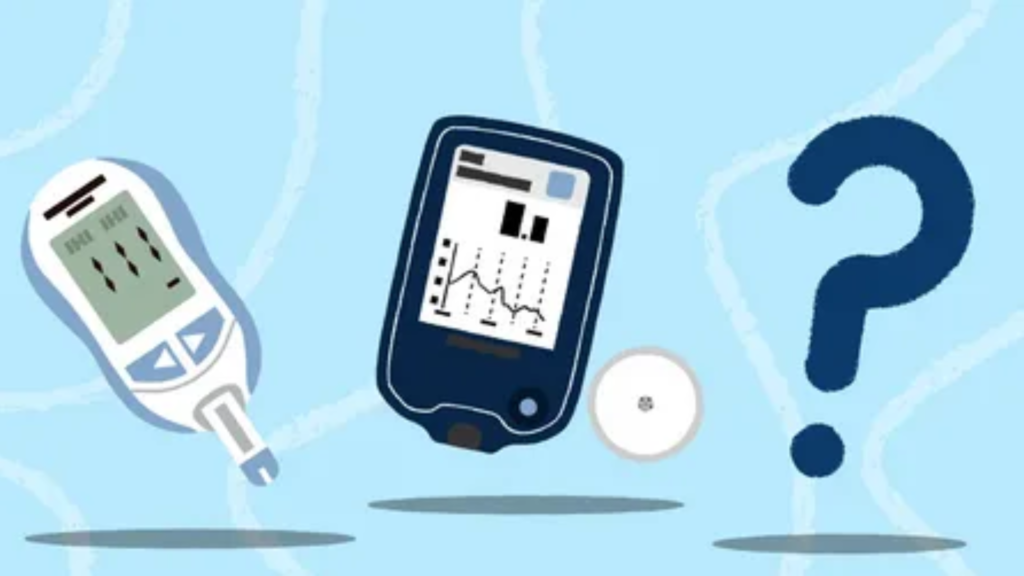
12. Monitor Your Blood Sugar
Tracking your glucose can help you identify patterns and understand how specific foods affect your body.
Many people use glucose meters or continuous glucose monitors (CGMs) to gain valuable insights into their metabolic health.
The Best Foods for Blood Sugar Control
Avocados
Rich in fiber and healthy fats, avocados may help support stable blood sugar and improved satiety.
Berries
Strawberries, blueberries, raspberries, and blackberries provide antioxidants and fiber while being relatively low in sugar.
Broccoli
Broccoli contains beneficial plant compounds and fiber that support metabolic health.
Fatty Fish
Salmon, sardines, trout, and mackerel provide omega-3 fatty acids and high-quality protein.
Pumpkin Seeds
Pumpkin seeds contain magnesium, healthy fats, protein, and fiber.
Flax Seeds
Flax seeds are rich in soluble fiber and may help slow glucose absorption.
Beans and Lentils
These foods combine fiber, protein, and complex carbohydrates to support blood sugar balance.
Fermented Foods
Kimchi, sauerkraut, kefir, and yogurt provide probiotics that support gut and metabolic health.
Final Thoughts
Balancing blood sugar isn’t about perfection. It’s about consistency.
Small improvements in your daily habits—such as eating more protein, increasing fiber, staying active, and getting quality sleep—can create meaningful changes over time.
The goal isn’t to eliminate every glucose spike. Instead, focus on building a lifestyle that supports steady energy, healthy metabolism, and long-term wellness.
Your future health is shaped by the habits you practice most often, not by occasional indulgences. Start with one or two changes today and build from there.




2 Comments