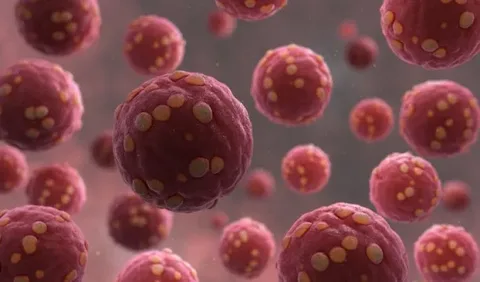
Global Health Alert: Rare Ebola Strain Sparks Emergency in Central Africa What to Know
Public Health Emergency of International Concern (PHEIC
The World Health Organization (WHO) has officially declared a rapidly expanding Ebola outbreak in Central Africa a Public Health Emergency of International Concern (PHEIC) . The declaration follows a sudden surge in cases across the Democratic Republic of the Congo (DRC) and neighboring Uganda.
Unlike previous epidemics, this current crisis is driven by the rare Bundibugyo ebolavirus strain . Because existing stockpiles of Ebola vaccines and treatments were designed exclusively for a different strain, global health authorities are rushing to contain a virus for which there is currently no approved vaccine.
On May 19, 2026, the US Centers for Disease Control and Prevention (CDC) issued a Health Alert Network (HAN) Advisory to alert American clinicians, travelers, and public health practitioners to monitor the situation.
Outbreak at a Glance: Current Situation Data
The outbreak originated in the high traffic, gold mining region of Mongbwalu in the Ituri Province of the DRC before spreading to urban centers like Bunia, North Kivu, and across the border into Kampala, Uganda.
According to joint briefings from the WHO, the CDC, and local ministries of health, the scale of the epidemic is moving swiftly:
| Metric | Current Status (As of May 20, 2026) |
| Suspected Cases | 543+ cases |
| Confirmed Cases | 35 cases |
| Reported Deaths | 131+ deaths |
| US Case Count | 0 cases |
| Estimated Fatality Rate | 25% to 50% (Historical average for Bundibugyo) |
CDC Travel Guidance:The CDC has issued a strictLevel 3 Travel Health Noticefor the Democratic Republic of the Congo (recommending avoiding non-essential travel) and aLevel 1 Noticefor Uganda (recommending enhanced precautions).
Why Existing Vaccines Aren’t Working
The primary factor driving international concern is the genetic profile of the pathogen. The highly successful Ervebo vaccine, which effectively crushed recent outbreaks in West Africa and the DRC, was formulated specifically to target the Zaire ebolavirus strain.
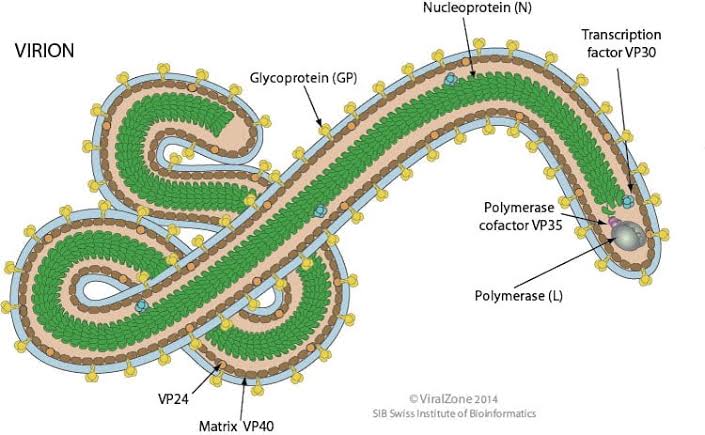
As seen in the structural diagram above, the virus relies on Glycoprotein (GP) spikes on its outer envelope to bind to and infect human cells. The Bundibugyo strain features key structural mutations in these surface glycoproteins. As a result, the antibodies generated by standard Zaire vaccines cannot properly bind to or neutralize the virus.
While a WHO technical advisory group is actively meeting to evaluate experimental candidate vaccines, researchers warn that deploying a modified or partially effective vaccine on the ground will take at least two months.
Transmission: How the Virus Spreads
Public health officials emphasize that Ebola is not an airborne virus like COVID-19 or influenza. It does not spread through casual contact or breathing the same air.
Instead, transmission requires direct contact with:
- Bodily Fluids: The blood, vomit, feces, saliva, or semen of an infected person who is actively showing symptoms or has recently died.
- Contaminated Objects: Bedding, clothing, or medical equipment heavily soiled with infectious fluids.
- Zoonotic Sources: Direct contact with infected wild animals, particularly fruit bats, non-human primates (monkeys/apes), or “bushmeat.”
Symptoms and Disease Progression
The incubation period for Bundibugyo virus disease ranges from 2 to 21 days after exposure.An infected individual is not contagious until they actively exhibit symptoms. The illness typically progresses through two distinct phases:
[Day 2-21: Exposure] ➔ [Early "Dry" Phase: Sudden fever, intense fatigue, severe muscle aches, headache, sore throat] ➔ [Late "Wet" Phase: Vomiting, severe diarrhea, rash, impaired kidney/liver function, internal/external bleeding]
Early diagnosis has proved difficult in this outbreak. According to Dr. Anne Ancia, the WHO representative in the DRC, initial local tests came back negative because standard diagnostics were looking for the Zaire strain.Furthermore, signature symptoms like nosebleeds frequently do not appear until day five of infection, causing initial misdiagnoses with common regional illnesses like malaria.
Ground Challenges and the US Risk Assessment
Containment efforts on the ground are heavily complicated by a complex humanitarian crisis. The Ituri Province is a highly mobile commercial hub with thousands of transit workers moving through informal mining camps.Additionally, ongoing regional conflict and militia activity make contact tracing, isolation, and safe burial practices incredibly dangerous for healthcare workers.
What is the risk to the United States?
The CDC and the European Center for Disease Prevention and Control (ECDC) currently assess the risk to the US and European general public as very low .
Because travelers are not contagious during the 2-to-21-day incubation period, and because the virus requires direct contact with bodily fluids to spread, the likelihood of a sustained domestic outbreak remains minimal.US hospitals are currently being advised to review standard infection prevention protocols for viral hemorrhagic fevers as a routine precaution.