Hantavirus Defense: How to Safeguard Your Property Against America’s Deadliest Rodent Borne Threat
The sight of a single mouse scurrying across a basement floor is usually treated as a minor nuisance. However, for property owners across the United States, unaddressed rodent activity carries a hidden, high-stakes threat: Hantavirus .
Unlike other common pests that merely damage property structural components, certain wild rodents carry a pathogen capable of causing Hantavirus Pulmonary Syndrome (HPS) —a rare but severe, rapidly progressing respiratory disease with a staggering mortality rate of nearly 40% (Jonsson et al., 2008; Moore et al., 2026).
Because early symptoms mirror the common flu, many individuals fail to identify the risk until severe respiratory distress occurs (Moore et al., 2026). True safety relies entirely on proactive property management, proper sanitation, and timely exclusion.
Hantavirus Dynamics: How Transmission Occurs
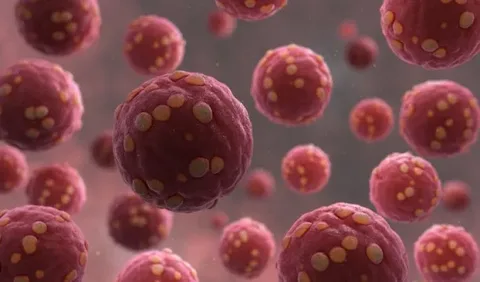
Hantaviruses are a cluster of single-stranded RNA viruses shed by specific rodent hosts (Lang, 2026). In North America, the primary culprit is the Sin Nombre virus , which is naturally carried and transmitted by the deer mouse ( Peromyscus maniculatus ), alongside the white-footed mouse, rice rat, and cotton rat (Moore et al., 2026).
[Infected Rodent Sheds Virus] ➔ [Droppings/Urine Dry Out] ➔ [Disturbance Aerosolizes Particles] ➔ [Human Inhalation]
The virus is shed through the animal’s urine, feces, and saliva (Lang, 2026). Transmission rarely happens via direct animal bites; instead, it occurs via airborne aerosolization (Moore et al., 2026).
When infested spaces such as attics, crawlspaces, detached sheds, or seasonal cabins are swept or vacuumed without proper precautions, dried rodent waste particles break apart and become airborne (Moore et al., 2026). Breathing in these microscopic particles introduces the pathogen directly into the human respiratory tract (Moore et al., 2026).
Tracking the Symptoms: Dry vs. Wet Phases
The incubation period for HPS typically lasts between 1 to 4 weeks after exposure, although it can extend up to 8 weeks (Lang, 2026). The disease moves through two phases:
1. The Prodromal (Early) Phase
The illness begins with non-specific, flu-like symptoms. Patients experience high fever, severe muscle aches (predominantly in the thighs, hips, and back), fatigue, headaches, and abdominal upset (Jonsson et al., 2008). Because these signs mirror routine winter viruses, early clinical diagnosis remains a persistent challenge (Jonsson et al., 2008).
2. The Cardiopulmonary (Late) Phase
Roughly 4 to 10 days after the initial symptoms, the disease targets the vascular system (Jonsson et al., 2008). The body’s immune response triggers an intense cytokine storm, creating extreme microvascular permeability (Moore et al., 2026). This causes the lungs to rapidly fill with fluid, a condition known as non-cardiogenic pulmonary edema (Jonsson et al., 2008).
A Survivor’s Perspective:Patients often describe the transition to the cardiopulmonary phase as feeling like an invisible tight band wrapping around the chest, accompanied by severe shortness of breath.
There are currently no licensed antiviral cures or vaccines available for HPS (Lang, 2026). If an individual reaches the late stage, treatment is limited to supportive critical care in an intensive care unit (ICU), frequently requiring mechanical ventilation or Extracorporeal Membrane Oxygenation (ECMO) to keep the patient alive while the lungs recover (Jonsson et al., 2008; Lang, 2026).
Property Remediation Protocols
Preventing exposure requires eliminating rodent habitats and handling existing cleanups safely. Standard sweeping or household vacuuming is dangerous because it forces dried pathogens into the breathing zone (Moore et al., 2026).
1. Ventilate the Structure: Minimum 30 Minutes.
Before entering a long-closed space showing signs of infestation (such as cabins, crawlspaces, or outbuildings), open all doors and windows to maximize fresh airflow. Leave the area immediately during this period.
2. Equip Personal Protective Equipment (PPE): Before Contact.
Don thick rubber or nitrile gloves, protective coveralls, and a properly fitted N95 or HEPA-filtered respirator to block microscopic airborne droplets.
3. Apply Liquid Disinfectant: Do Not Sweep.
Thoroughly spray all visible rodent droppings, nests, and carcasses with a commercial disinfectant or a 1:10 diluted household bleach solution . Let the liquid soak for 5 minutes to completely deactivate the viral envelope before handling.
4. Secure and Dispose: Double-Bagging.
Using a damp paper towel or disposable cloth, pick up the saturated waste material. Place all debris, used towels, and cleaning gloves into a heavy-duty plastic bag, seal it tightly, and place it inside a second sealed bag before trash disposal.
Professional Bioremediation Vs. DIY Risks
While basic spot-cleaning can be managed with care, extensive infestations within structural voids, HVAC ductwork, or insulation lines present severe exposure risks. Complete safety requires comprehensive rodent exclusion : sealing every external entry point larger than a quarter-inch, replacing contaminated insulation material, and neutralizing hidden pheromone trails that attract future vectors.
If you discover widespread rodent activity or must clean a space that has been abandoned for an extended period, relying on certified professionals protects both your health and your property value.