How to Avoid Heat Rash: Effective Prevention Tips for Healthy Skin
Heat rash is a common skin condition that affects people of all ages, especially during hot and humid weather. Also known as prickly heat or sweat rash, it develops when sweat becomes trapped beneath the skin due to blocked sweat glands. The result is an itchy, uncomfortable rash that can interfere with daily activities and outdoor enjoyment.
The good news is that heat rash is often preventable. By understanding what causes it and adopting a few simple habits, you can keep your skin cool, comfortable, and rash-free throughout the summer.
What Is Heat Rash?
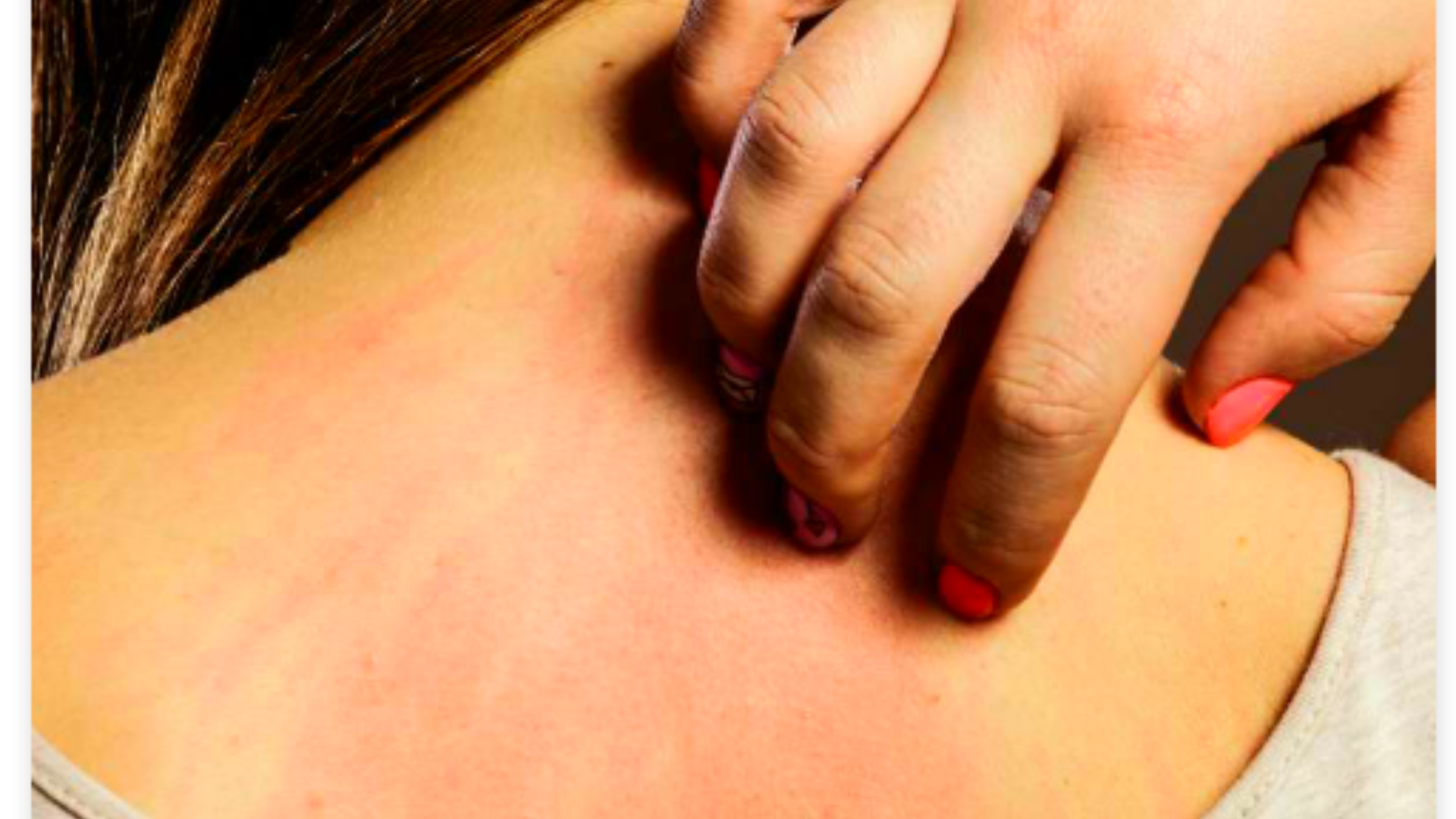
Heat rash occurs when sweat ducts become blocked, trapping perspiration under the skin. This leads to small red bumps, itching, irritation, and sometimes a prickling or stinging sensation.
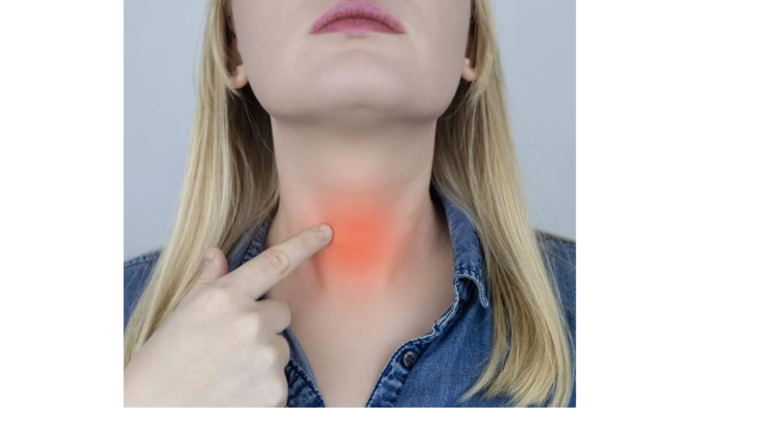
Heat rash commonly appears on areas where sweat accumulates, including:
- Neck
- Chest
- Back
- Underarms
- Groin
- Skin folds
- Under tight clothing
Although heat rash is usually harmless, recurring episodes can be uncomfortable and may increase the risk of skin irritation or infection.
Why Does Heat Rash Occur?
Several factors can contribute to heat rash, including:
- Hot and humid weather
- Excessive sweating
- Tight-fitting clothing
- Intense physical activity
- Poor air circulation
- Prolonged bed rest
- Sensitive skin
Understanding these triggers is the first step toward effective heat rash prevention.
How to Avoid Heat Rash
Stay Cool Whenever Possible
One of the best ways to prevent heat rash is to keep your body temperature under control.
Try to:
- Stay in air-conditioned environments
- Use fans to improve airflow
- Avoid direct sunlight during peak afternoon hours
- Take frequent breaks in shaded areas
Keeping your skin cool reduces sweating and lowers the chance of blocked sweat glands.
Wear Lightweight, Breathable Clothing

Clothing plays a major role in heat rash prevention.
Choose:
- Cotton fabrics
- Moisture-wicking athletic wear
- Loose-fitting shirts and pants
- Lightweight summer clothing
Avoid tight clothes that trap heat and create friction against the skin.
Keep Your Skin Dry
Excess moisture creates the perfect environment for heat rash.
To stay dry:
- Change sweaty clothes promptly
- Use a clean towel to remove sweat
- Wear moisture-absorbing fabrics
- Dry skin folds carefully after bathing
Keeping skin dry can significantly reduce irritation.
Take Cool Showers
Cool or lukewarm showers help remove sweat, lower body temperature, and soothe skin inflammation.
After outdoor activities or exercise, a quick shower can help prevent sweat from accumulating on the skin.
Avoid Heavy Skin Products
Thick creams, greasy lotions, and heavy oils can clog pores and trap heat.
Instead, choose:
- Lightweight moisturizers
- Non-comedogenic skincare products
- Fragrance-free formulas for sensitive skin
Using the right products supports healthy skin without increasing the risk of sweat duct blockage.
Stay Hydrated
Drinking plenty of water helps regulate body temperature and supports overall skin health.
Hydration becomes especially important during:
- Summer months
- Outdoor work
- Sports activities
- Exercise sessions
Proper hydration can help your body cool itself more efficiently.
Limit Intense Activity During Extreme Heat
Physical activity increases sweating and body temperature.
When temperatures are high:
- Exercise early in the morning
- Work out in the evening
- Take frequent cooling breaks
- Choose indoor activities when possible
Reducing heat exposure helps prevent excessive sweating.
Natural Remedies for Mild Heat Rash
If a heat rash develops despite preventive measures, these home remedies may help provide relief.
Apply a Cold Compress
A cool compress can reduce itching, redness, and inflammation.
Use Aloe Vera Gel
Aloe Vera has soothing properties that may help calm irritated skin and support healing.
Take an Oatmeal Bath
An oatmeal bath can relieve itching and help soothe sensitive skin.
Wear Loose Clothing
Allowing air to circulate around affected skin can speed recovery and reduce discomfort.
What to Avoid if You Have Heat Rash
To prevent worsening symptoms, avoid:
- Scratching the rash
- Tight clothing
- Heavy creams and oils
- Excessive sweating
- Hot showers
- Prolonged sun exposure
These factors can increase irritation and delay healing.
When to See a Doctor
Most heat rashes improve within a few days. However, seek medical attention if:
- The rash becomes painful
- Pus develops
- Symptoms worsen
- Fever occurs
- The rash does not improve after several days
A healthcare professional can determine whether another skin condition is responsible for your symptoms.
FAQ 1: Can adults get heat rash?
Yes, heat rash can affect adults as well as children. Adults often develop heat rash during hot weather, intense exercise, or when wearing tight clothing that traps sweat against the skin.
FAQ 2: Is heat rash contagious?
No, heat rash is not contagious. It cannot spread from one person to another through physical contact.
FAQ 3: What does heat rash look like?
Heat rash typically appears as small red bumps, tiny blisters, or clusters of itchy spots on areas where sweat accumulates, such as the neck, chest, back, and underarms.
FAQ 4: Can heat rash come back repeatedly?
Yes, heat rash can recur if you continue to be exposed to excessive heat, humidity, or activities that cause heavy sweating. Following proper heat rash prevention strategies can reduce the risk of future outbreaks.
FAQ 5: What clothing is best for preventing heat rash?
Lightweight, loose-fitting, and breathable fabrics such as cotton and moisture-wicking materials are best for preventing heat rash because they allow air circulation and help keep the skin dry.
Final Thoughts
Knowing how to avoid heat rash can make a big difference during warm weather. Staying cool, wearing breathable clothing, keeping your skin dry, and maintaining proper hydration are some of the most effective ways to prevent this uncomfortable condition.
With a few simple lifestyle adjustments, you can enjoy outdoor activities, summer vacations, and everyday life without worrying about recurring heat rash.