Comprehensive Insights Into Visual Acuity, Low Vision, and Eye Health
What Is a Visual Acuity Test?
A visual acuity and low vision test is a standard eye examination that measures the sharpness and clarity of your vision at a specific distance, typically set at 20 feet. It forms a cornerstone of any comprehensive eye exam, allowing an optometrist or ophthalmologist to evaluate how well you can discern fine details and shapes.
What Are the Types of Visual Acuity Tests?
Different methods and charts are utilized depending on age, clinical requirements, and testing standards.
- Snellen Eye Chart: The most widely recognized test featuring rows of letters that decrease in size from top to bottom.
- Random E Chart: Designed with capital letter “Es” rotated in various directions, making it ideal for patients who may struggle with standard alphabets.
- Pediatric Eye Charts: Utilize recognizable symbols or pictures to test young children before they can reliably identify letters.
- LogMAR Chart: Utilizes the logarithm of the minimum angle of resolution, offering high precision for clinical research and advanced optometry.
What Does a Visual Acuity Score Mean?
Visual acuity scores are expressed as fractions, such as 20/20 vision. The first number represents your viewing distance from the chart (20 feet), while the second number indicates the distance at which an individual with normal eyesight can read the exact same line. A score of 20/40 means you must stand 20 feet away to see what a person with standard vision can clearly see from 40 feet.
What Is the Purpose of a Visual Acuity Test?
The primary goal is to assess central visual function, detect refractive errors like myopia or hyperopia, and determine the exact lens prescription needed for eyeglasses or contact lenses. It also helps track changes in eyesight over time and identify underlying medical conditions affecting the retina or visual pathway.
How Is a Visual Acuity Test Performed?
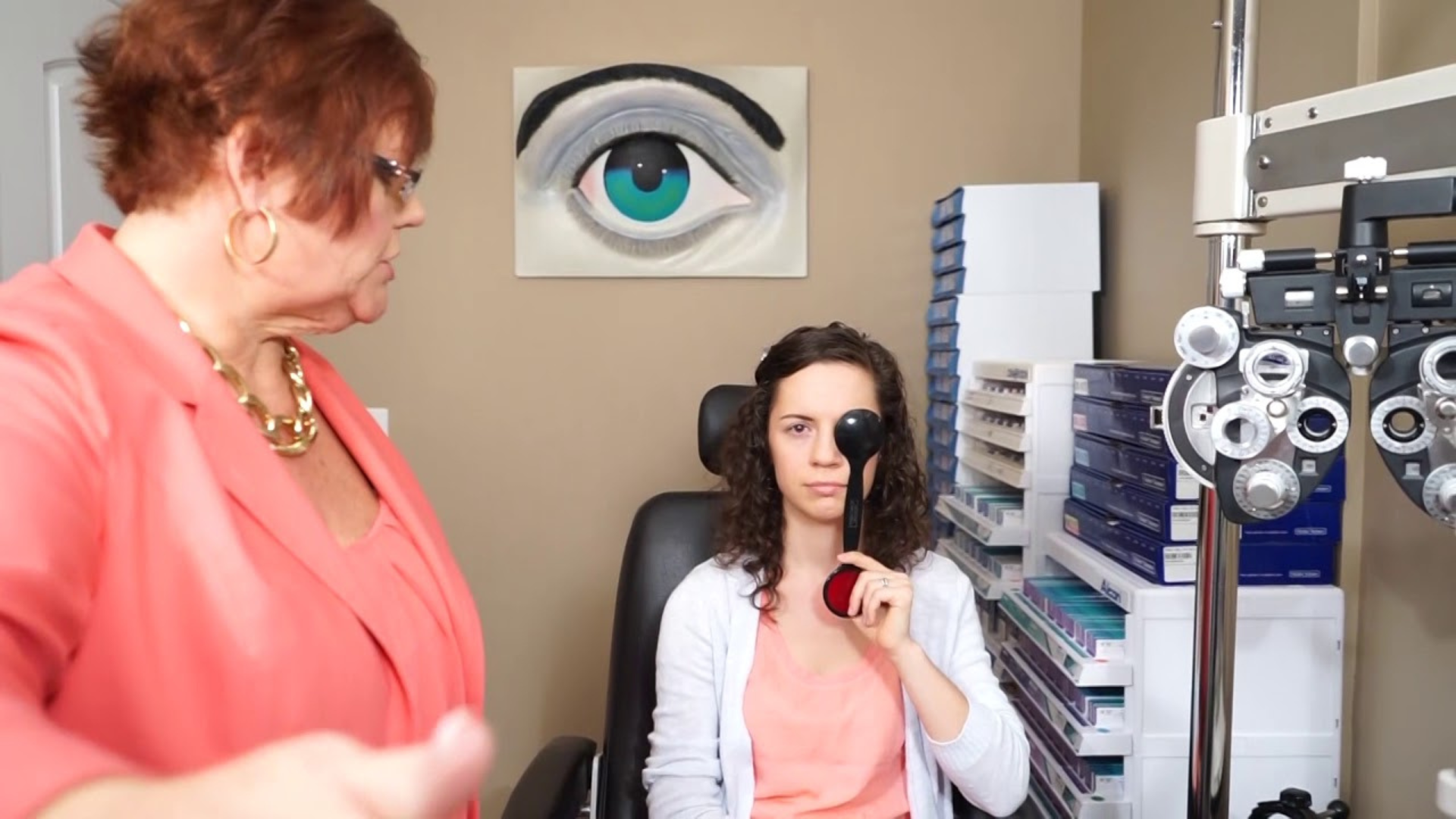
During a routine exam, you will sit comfortably at a standardized distance from an eye chart. You cover one eye at a time and read the smallest row of letters you can comfortably distinguish. The examiner notes the smallest legible line to establish your baseline score without and with your current corrective lenses.
Visual Acuity Test Interpretation
Interpreting the results involves analyzing the ratio between testing distance and standard visual capabilities. Scores are categorized from near-normal vision down to profound impairment, guiding eye care specialists on whether basic corrective wear, advanced vision therapy, or specialist referrals are necessary.
Visual Acuity Scale
| Snellen Feet | Metric Meters | Decimal Scale | LogMAR Score |
|---|---|---|---|
| 20/20 | 6/6 | 1.00 | 0.00 |
| 20/40 | 6/12 | 0.50 | 0.30 |
| 20/100 | 6/30 | 0.20 | 0.70 |
| 20/200 | 6/60 | 0.10 | 1.00 |
What Does ‘Low Vision’ Mean?
Low vision refers to a significant visual impairment that cannot be fully corrected with standard eyeglasses, contact lenses, medicine, or surgery. Unlike total blindness, low vision leaves individuals with residual functional sight, though everyday tasks like reading or recognizing faces become notably challenging.
Types of Low Vision
- Central Vision Loss: Difficulty seeing objects directly in front of you, creating a central blind spot while side vision remains intact.
- Peripheral Vision Loss: Often called “tunnel vision,” where side, upper, or lower fields are obscured while central sight works.
- Night Blindness: Inability to navigate or see clearly in dim environments or at night.
- Blurry or Hazy Vision: Persistent lack of focus and poor contrast sensitivity across objects near and far.
How to Tell if You Have Low Vision (Signs & Symptoms)
Recognizing early functional changes is crucial for adapting lifestyle habits. Common signs include struggling to read standard print, needing exceptionally bright lamps for close work, experiencing severe glare from normal lighting, having trouble watching television clearly, and facing difficulty with depth perception while driving or walking.
Potential Causes of Low Vision
Low vision typically stems from progressive eye diseases common in older adults, though injury and genetics also play roles. Major triggers include:
- Age-related macular degeneration (AMD)
- Cataracts
- Diabetic retinopathy
- Glaucoma
- Inherited retinal disorders and trauma
Diagnosing Low Vision
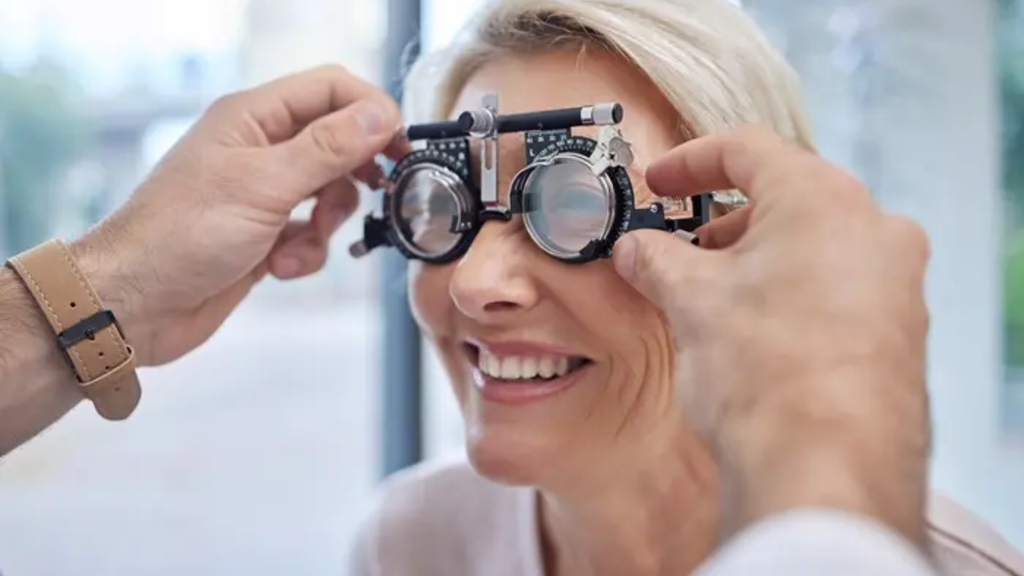
Eye care doctors diagnose low vision through an extensive clinical evaluation, including a dilated eye exam to inspect the retina, specialized low-vision test charts, contrast sensitivity assessments, and a review of your daily functional difficulties.
Low Vision vs. Legal Blindness
While low vision signifies reduced visual acuity that resists standard correction, legal blindness is a distinct administrative and clinical threshold. Legal blindness occurs when your best-corrected visual acuity in your better eye is 20/200 or worse, or when your visual field is restricted to 21 degrees or less at its widest point.
Prevention
While age-related conditions cannot always be entirely prevented, early detection through annual dilated eye exams can significantly slow disease progression. Managing underlying systemic conditions like diabetes and hypertension is vital for protecting long-term retinal health.
Financial Assistance
Navigating vision care costs can be challenging, but programs like EyeCare America offer complimentary medical eye exams and care for qualifying older adults. Additionally, individuals whose vision loss impacts their ability to work may explore Social Security disability benefits.
At a Glance: Low Vision
Low vision is a permanent reduction in visual capability that limits daily independence, requiring special optical aids and customized coping strategies rather than standard surgical cures.
What is Low Vision?
It is a functional impairment where standard corrective measures fail to restore clear sight, yet usable peripheral or patchy central vision remains active.
What Causes Low Vision?
It is primarily driven by chronic ocular pathologies such as macular degeneration, glaucoma, advanced diabetic complications, and structural eye injuries.
How Will My Eye Doctor Check for Low Vision?
Your specialist will perform a dilated pupil evaluation, test visual acuity using specialized low-vision charts, and analyze contrast and glare sensitivity.
What’s the Treatment for Low Vision?
While the underlying damage is typically permanent, specialized management focuses on maximizing remaining sight using optical and non-optical aids.
How Can I Make the Most of My Remaining Sight?
Patients can optimize their independence by utilizing magnifying lenses, installing brighter home lighting, adjusting digital screen contrast settings, and engaging in structured vision rehabilitation programs.
Low Vision Resources
Accessing community support organizations, educational print materials, assistive technology tutorials, and regional support networks helps individuals with low vision maintain an active, high-quality lifestyle.