Are Placenta Capsules Right for You? Benefits, Process, and Safety
Entering the postpartum journey brings a profound wave of joy alongside intense physical, hormonal, and emotional adjustments. For many new mothers navigating the demanding “fourth trimester,” the search for natural, holistic methods to restore vitality has led to an ancient practice gaining widespread modern traction in the United States: human maternal placentophagy. Transitioning from traditional roots into a prominent wellness trend, placenta encapsulation has become a popular option for families looking to optimize their physical and emotional recovery.
Whether you are collaborating with a Certified Encapsulation Specialist, a midwife, or a trusted birth doula, understanding what placenta capsules involve, how the preservation science works, and what clinical safety data dictates will empower you to make an informed decision for your birth plan.
What are Placenta Capsules and Why Are They So Popular?
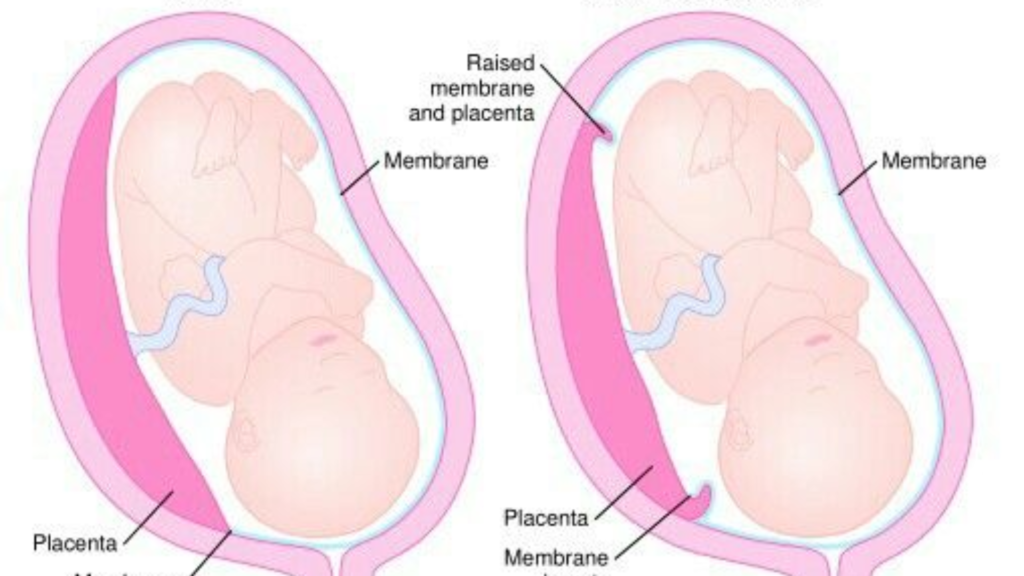
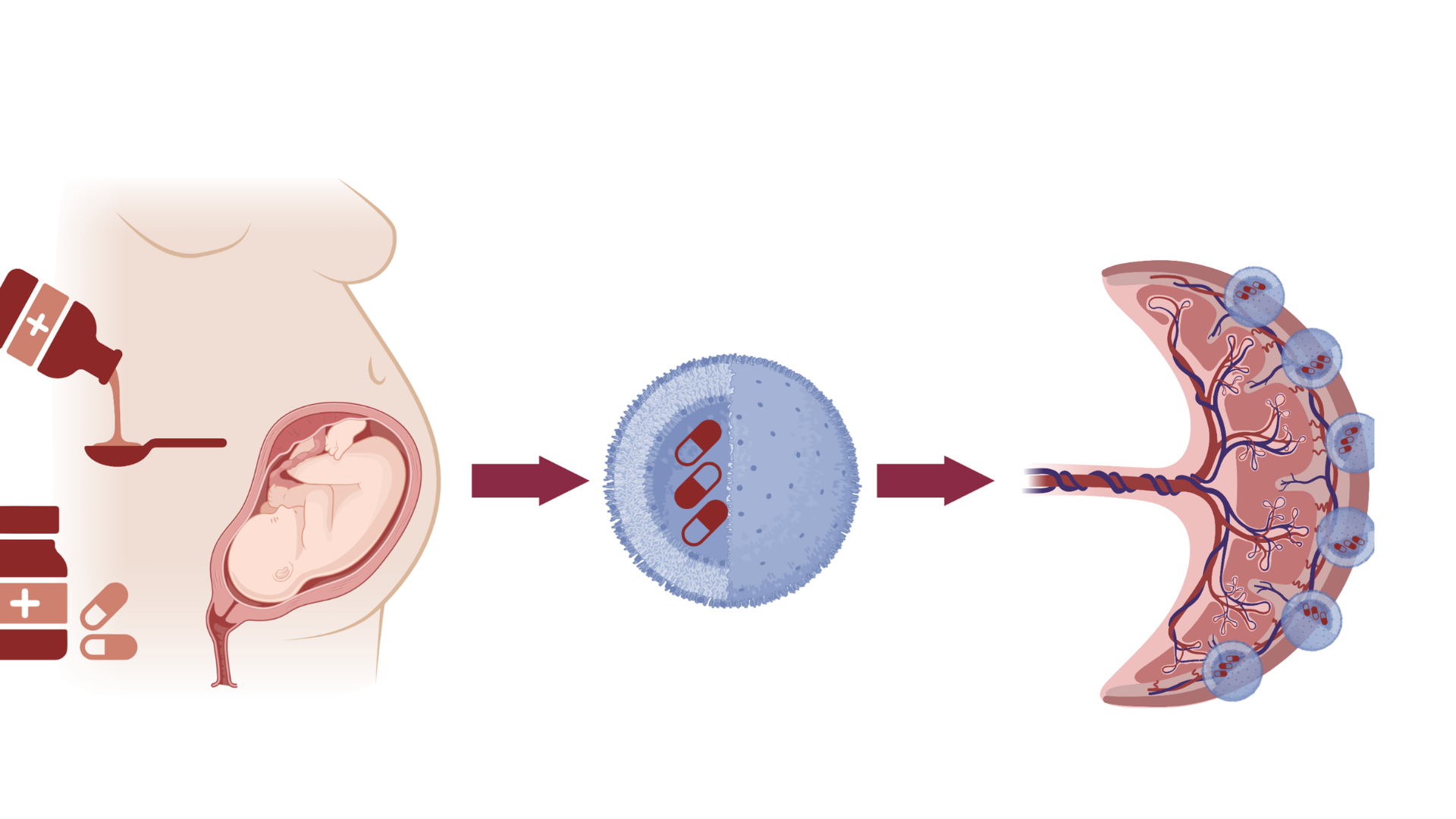
Placenta encapsulation is the process where a mother’s placenta temporary, nutrient-rich organ developed during pregnancy to nourish the fetus is cleaned, dehydrated, ground into a fine powder, and placed into gelatin capsules for ingestion.
While rooted historically in Traditional Chinese Medicine (TCM) as a restorative puerperal remedy, modern American parents are increasingly turning to this practice to cushion the dramatic hormonal drop that occurs immediately after delivery. By turning the organ into dehydrated placenta capsules or desiccated placenta powder, mothers take daily supplements designed to mimic aspects of late pregnancy hormone profiles, supporting overall wellness during the immediate postpartum period.
Proposed Benefits: What Modern Mothers and Research Report
For centuries, mammalian species have practiced placentophagy to recover vitality after giving birth. While scientific investigations continue to evaluate exact biological mechanisms, self-reported surveys from mothers and historical clinical observations highlight several potential advantages:
1. Hormone Stabilization and Mood Support
The sudden withdrawal of reproductive hormones like progesterone, estrogens, and oxytocin after delivery triggers a massive endocrine shift. This crash is heavily linked to the “baby blues” and postpartum depression (PPD). Many women report that taking placenta capsules helps promote emotional balance, stabilizes postpartum mood, and eases the transition.
2. Energy and Convalescence
Fatigue is one of the steepest hurdles during early motherhood. Anecdotal evidence suggests that ingestion aids faster convalescence, helping mothers experience a subjective boost in energy and physical endurance as they heal from labor and delivery.
3. Lactation and Milk Supply Assistance
Historically used as a lactagogon to treat hypogalactia, components like human placental lactogen (hPL) and prolactin found in placental tissue are believed by birth attendants to stimulate milk production. Historical and modern studies (such as early work by Hammett and Soykova-Pachnerova) have noted increased protein and lactose concentrations in breast milk following desiccation intake.
4. Nutritional Replenishment
The organ is naturally dense with essential macro- and micronutrients. It contains trace elements (iron, selenium, zinc, copper, magnesium), essential and non-essential amino acids (such as leucine, valine, and lysine), and vitamins B1, B2, B6, and B12, which collectively support cellular repair, immune function, and postpartum recovery.
How It Works: The Science of Preservation and Processing
Transforming a fresh, biological organ into daily wellness supplements requires strict adherence to hygiene, temperature control, and standardized protocols. Professional doulas and encapsulation specialists typically follow specific steps:
- Immediate Care and Placenta Freezing: Following parturition, the organ must be handled carefully. If processing cannot happen within a few hours, proper placenta freezing protocols are vital. The tissue must be thoroughly rinsed and double-bagged in food-safe or medical-grade storage bags, then placed in a dedicated freezer to prevent bacterial growth before it can be thawed and processed.
- Cleaning and Preparation: The specialist thoroughly cleans the organ under cold running water to remove residual blood clots, maternal decidua, fetal membranes, and the umbilical cord (unless the cord is requested separately for keepsakes or placental auto-nosodes).
- Dehydration Protocols: Using standardized food dehydrators, the clean tissue is sliced to approximately 0.5 cm thickness. Depending on the method chosen (such as the traditional TCM method which uses steaming with ginger, lemon, and jalapeño, or the raw dehydration method), the slices are dehydrated at temperatures around 54 degrees Celsius (approx. 129 degrees Fahrenheit) for roughly 8 to 12 hours. Research shows this specific temperature threshold significantly reduces microbiological species while preserving nutrient integrity.
- Encapsulation & Alternative Services: Once fully dried, the tissue is minced into a fine powder and filled into capsules for everyday consumption. Beyond standard capsules, specialists often offer alternative placenta-based services, including:
- Placenta Tinctures: A long-lasting liquid extract made by steeping a piece of raw or dehydrated placenta in high-proof alcohol, used beyond the immediate postpartum period for extended hormonal support.
- Placenta Salves: A topical infusion combined with healing oils and beeswax, ideal for topical application, cesarean scar care, soothing dry skin, or addressing minor skin irritations.
Weighing the Risks, Safety, and Medical Guidelines
While thousands of mothers report deeply positive experiences, medical organizations urge caution and a clear-eyed review of potential biological risks.
- The Clinical and Regulatory Perspective: Organizations like the Centers for Disease Control and Prevention (CDC) and the American College of Obstetricians and Gynecologists (ACOG) note that placenta encapsulation is entirely unregulated by the FDA. Randomized, double-blind clinical trials (such as studies by Laura Gryder and Samantha Young) indicate that capsules do not adequately treat postpartum anaemia or alter iron status, and their objective impact on long-term mood, bonding, or fatigue can vary significantly.
- Microbiological Safety and the Microbiome: Although it was once assumed the womb is entirely sterile, science now shows the placenta harbors a unique microbiome of non-pathogenic symbiotic microbiota (such as Firmicutes, Bacteroidetes, and Proteobacteria). However, contamination from environmental or pathogenic microorganisms remains a risk if processing is unhygienic. Rare documented cases such as an infant late-onset Group B Streptococcus (GBS) infection tied to contaminated capsules demonstrate that strict, bloodborne pathogen-certified sanitation is non-negotiable.
- Contraindications and When to Avoid It: Mothers should strictly avoid ingestion if there is an active viral or bacterial infection, clinical mastitis, or blocked milk ducts, as the hormone-stimulating effects can exacerbate milk stasis. Additionally, if the mother smoked during pregnancy, toxic heavy metals like cadmium, arsenic, lead, and mercury accumulate within the placental tissue, making consumption hazardous. Deliveries involving general anesthesia are also contraindicated due to residual anesthetic agents absorbed by the tissue.
Summary Checklist: Is Encapsulation Right for Your Birth Plan?
To decide whether this holistic postpartum option fits your needs, review this comprehensive checklist with your obstetricians and pediatricians or your birth team:
- Hospital and Birth Center Policy: Have you coordinated with your U.S. hospital or birth center ahead of time to complete the necessary paperwork and ensure you can legally take your placenta home?
- Professional Credentials: Have you hired a trained, bloodborne pathogen-certified specialist or Certified Encapsulation Specialist who follows rigorous, transparent kitchen sanitation standards
- Medical and Lifestyle History: Did you experience a clean, low-intervention delivery without heavy pharmaceutical use or smoking during pregnancy? Are you free from active infections or mastitis?
- Informed Wellness Goals: Are you seeking natural hormonal support, energy recovery, and lactation assistance to enhance your personal postpartum journey?
By weighing traditional benefits against objective medical guidance, you can make a safe, empowered choice that aligns perfectly with your vision for postpartum health and recovery.