Hormone Balancing Diet Plan: Simple Shifts for Lasting Energy and Vitality
Hormones are the chemical messengers that govern our energy, mood, metabolism, and reproductive health. When these systems fall out of equilibrium due to stress, nutrition, or lifestyle the impact is felt throughout the entire body. Symptoms like fatigue, weight fluctuations, mood instability, acne, and irregular cycles are often the body’s way of signaling that it needs support.
The good news is that you don’t have to navigate hormonal imbalance alone. By viewing food as medicine and adopting a structured hormone balancing diet plan, you can support your body’s natural ability to restore harmony and improve your overall well-being.
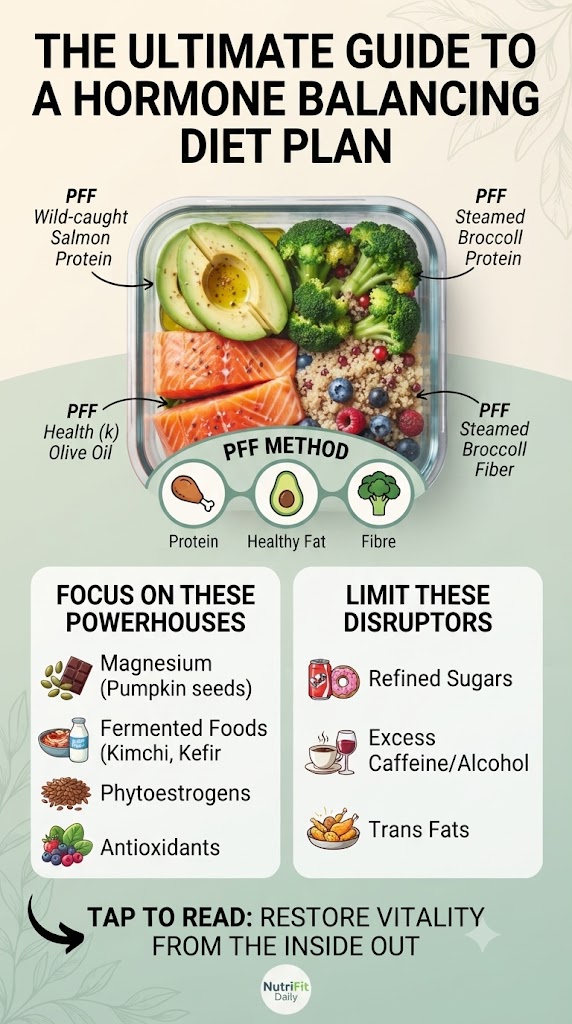
The Nutritional Foundation: The “PFF” Method
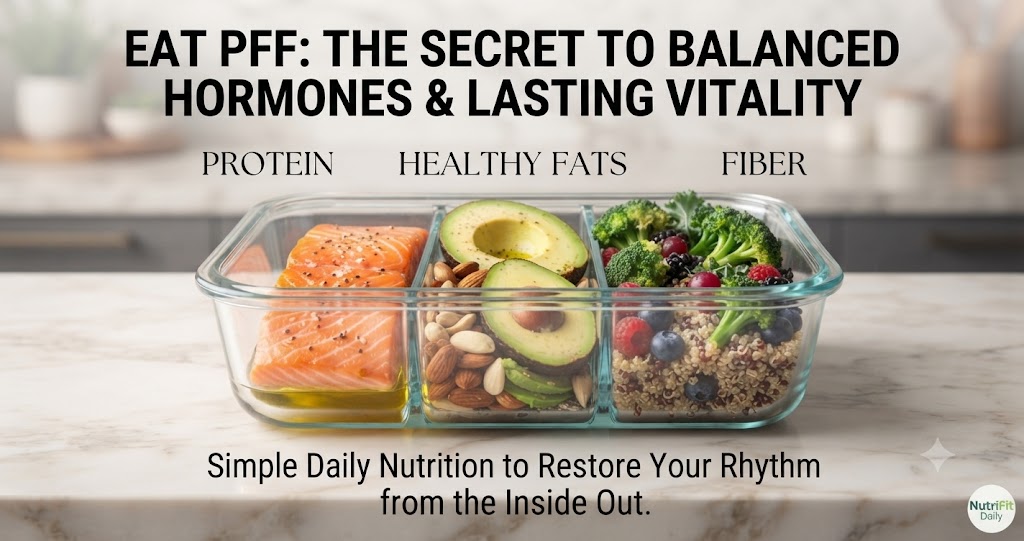
One of the most effective ways to stabilize hormones is to build every meal around the PFF approach: Protein, healthy Fat, and Fibre. This structure is essential for stabilizing blood glucose, reducing cortisol spikes, and assisting in the healthy clearance of excess hormones.
1. High-Quality Proteins
Protein provides the essential amino acids required for hormone synthesis.
- What to eat: Lean poultry, eggs, wild caught fish, lentils, tofu, and quinoa.
- Why: Balanced protein intake ensures your body has the building blocks it needs to create essential hormones.
2. Healthy Fats
Hormones are built from fat. Without adequate healthy fats, your body struggles to produce reproductive and metabolic hormones.
- What to eat: Avocados, olive oil, nuts, seeds (chia, flax, pumpkin), and fatty fish rich in Omega-3s.
- Why: Omega-3 fatty acids are potent tools for reducing inflammation and improving hormonal signaling.
3. Fibre-Rich Foods
Fibre is the unsung hero of detoxification. It helps keep your gut healthy and assists the liver in eliminating excess hormones that the body no longer needs.
- What to eat: Cruciferous vegetables (broccoli, kale, cauliflower), legumes, berries, oats, and leafy greens.
- Why: A fiber-rich diet prevents hormonal overload by ensuring efficient waste removal through the digestive system.
Foods to Focus On vs. Foods to Limit
Incorporate These Powerhouses:
- Magnesium-Rich Foods: Essential for adrenal health and mood regulation. Include pumpkin seeds, spinach, and dark chocolate (at least 85% cocoa).
- Fermented Foods: Support the gut microbiome, which influences how hormones are signaled. Add kimchi, sauerkraut, or kefir to your daily intake.
- Phytoestrogens: Found in flaxseeds and red clover, these can offer gentle support when natural estrogen levels begin to dip.
- Antioxidants: Brightly colored fruits and vegetables reduce oxidative stress, which can otherwise disrupt hormonal pathways.
Limit These Disruptors:
- Refined Sugars & Processed Carbs: These cause rapid blood sugar spikes, which stress the adrenal glands and disrupt insulin regulation.
- Excess Caffeine & Alcohol: Both can interfere with detoxification pathways and elevate cortisol levels.
- Trans Fats: Highly processed oils found in fried foods promote inflammation, a primary trigger for hormonal imbalance.
Beyond the Plate: Lifestyle Management
Nutrition is the foundation, but hormones thrive on rhythm. To achieve long-term balance, consider these pillars:
- Prioritize Circadian Rhythms: Hormones like cortisol and insulin follow a daily cycle. Eating your largest meals earlier in the day (“front-loading”) supports this natural rhythm.
- Gentle Movement: Strength training and moderate cardio improve insulin sensitivity and metabolic health. Avoid extreme, high-stress exercise if you are already experiencing high cortisol levels.
- Stress Management: Chronic stress keeps your body in a state of “fight or flight,” elevating cortisol at the expense of other essential hormones. Practice yoga, deep breathing, or mindfulness to signal safety to your nervous system.
- Sleep Hygiene: Quality sleep is non-negotiable. It is the time when the body repairs, detoxifies, and resets its hormonal clock.
An Integrative Approach to Sustainable Health
Achieving true hormonal health is not about temporary “fixes,” but about identifying the root cause of your symptoms. A successful wellness strategy should include:
- Comprehensive Assessment: Evaluating your unique history, symptoms, and lifestyle to create a tailored roadmap.
- Personalized Nutrition Strategy: Developing customized meal ideas that form the core of your hormone balancing diet plan.
- Sustainable Habit Building: Focusing on practical changes that you can maintain long-term to ensure consistent, vibrant health.
Take the Next Step
If you are experiencing symptoms of hormonal imbalance whether it’s persistent fatigue, mood swings, or irregular cycles personalized guidance is the most effective way to see results. By addressing the root cause through nutrition and lifestyle adjustments, you can regain control of your energy and health.
Disclaimer: This article is for informational purposes only and does not replace professional medical advice. Always consult with a qualified healthcare provider before making significant changes to your diet or lifestyle, especially if you have an underlying medical condition.


One Comment