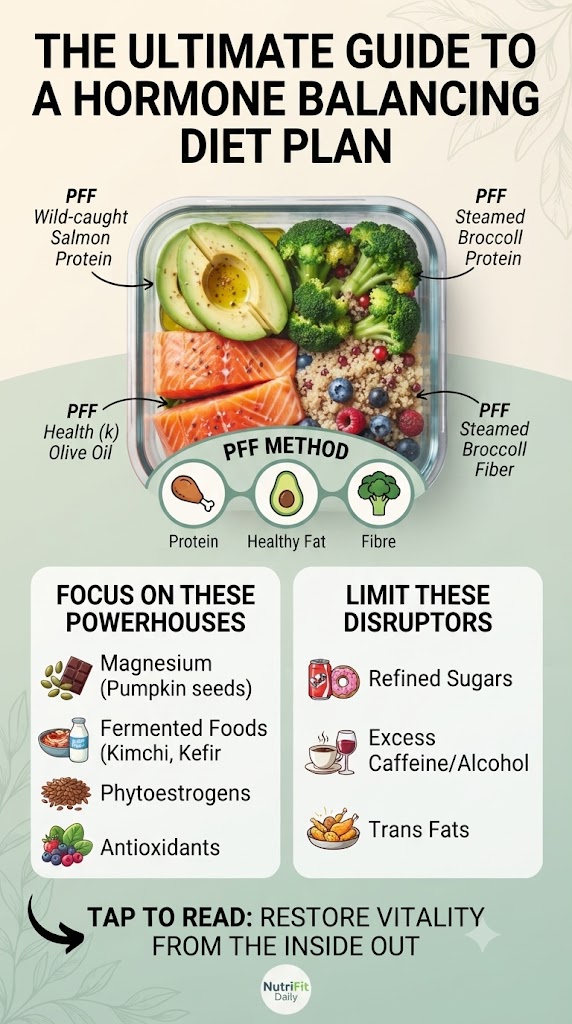
What Is the Keto Diet? Benefits, Foods, Meal Plan, Risks & Beginner’s Guide (2026)
What Is the Keto Diet?
If you’ve been searching for an effective way to lose weight, improve your metabolism, or take better control of your blood sugar, you’ve probably come across the keto diet. But what is the keto diet, and why has it become one of America’s most talked about nutrition plans?
Unlike traditional low-fat diets, the ketogenic diet focuses on drastically reducing carbohydrates while increasing healthy fat intake. This nutritional shift encourages your body to burn fat instead of carbohydrates for energy a metabolic process known as ketosis.
Millions of Americans have tried the keto lifestyle for weight management, better blood sugar control, and improved energy levels. Yet, despite its popularity, many people still don’t fully understand how it works, who should follow it, or what foods belong on a proper keto diet.
In this complete guide, you’ll discover everything you need to know from keto diet foods and meal planning to health benefits, possible side effects, and expert tips for getting started safely.
Whether you’re a complete beginner or considering switching from another eating plan, this guide will help you make an informed decision.
What Is the Keto Diet?
The ketogenic diet, commonly called the keto diet, is a low carbohydrate, high-fat, moderate-protein eating plan designed to change the way your body produces energy.
Normally, your body relies on carbohydrates as its primary fuel source. When you eat foods like bread, rice, pasta, sugary snacks, or potatoes, your digestive system converts those carbohydrates into glucose (blood sugar). Glucose then becomes your body’s preferred energy source.
However, when carbohydrate intake drops significantly typically to 20–50 grams of net carbs per day your body can no longer rely on glucose alone. Instead, your liver begins converting stored fat into molecules called ketones, which become an alternative fuel source for your brain and muscles.
This metabolic state is called nutritional ketosis.
Unlike many fad diets that simply focus on calorie restriction, the keto diet changes how your body produces energy, helping many people burn stored body fat more efficiently.
Keto Diet at a Glance
| Feature | Details |
|---|---|
| Diet Type | Low-Carb, High-Fat |
| Primary Goal | Fat Burning & Weight Loss |
| Metabolic State | Ketosis |
| Daily Net Carbs | 20–50 grams |
| Protein | Moderate |
| Fat Intake | 70–75% of daily calories |
| Best For | Weight loss, Type 2 diabetes management (under medical supervision), metabolic health |
| Suitable for Beginners | Yes, with proper planning |
How Does the Keto Diet Work?
To understand why the keto diet works, it helps to know how your body normally creates energy.
Step 1: Your Body Uses Carbohydrates
Most people eat carbohydrates throughout the day.
These include:
- Bread
- Rice
- Pasta
- Breakfast cereal
- Sugary drinks
- Fruit juices
- Cookies
- Cakes
After digestion, carbohydrates become glucose, which raises blood sugar levels. Your pancreas then releases insulin, allowing glucose to enter your cells for energy.
Step 2: Carbohydrates Become Limited
When you dramatically reduce carbohydrate intake, your body quickly uses up its stored glucose, known as glycogen.
Since glycogen also stores water, many people notice rapid water weight loss during the first week of keto.
Step 3: Your Liver Produces Ketones
Once glucose becomes scarce, your liver begins converting fat into ketone bodies.
These ketones become the body’s new fuel source.
Instead of depending on carbohydrates, your body begins burning:
- Stored body fat
- Dietary healthy fats
- Fatty acids
This transition is known as fat adaptation.
Step 4: Fat Becomes Your Main Fuel
Once fully adapted, your body becomes remarkably efficient at using fat for energy.
Many keto followers report benefits such as:
- Reduced hunger
- More stable energy
- Fewer blood sugar spikes
- Better appetite control
- Improved focus throughout the day
What Is Ketosis?
Ketosis is a natural metabolic state in which your body burns fat instead of carbohydrates for fuel.
When carbohydrate intake becomes very low, insulin levels decrease, allowing stored fat to be released from fat cells.
Your liver converts this fat into ketones, which provide energy for:
- The brain
- Muscles
- Heart
- Nervous system
Contrary to popular myths, nutritional ketosis is not the same as diabetic ketoacidosis (DKA). Nutritional ketosis is a normal metabolic adaptation in healthy individuals, whereas DKA is a serious medical emergency associated primarily with uncontrolled diabetes.
Signs That Your Body Is Entering Ketosis
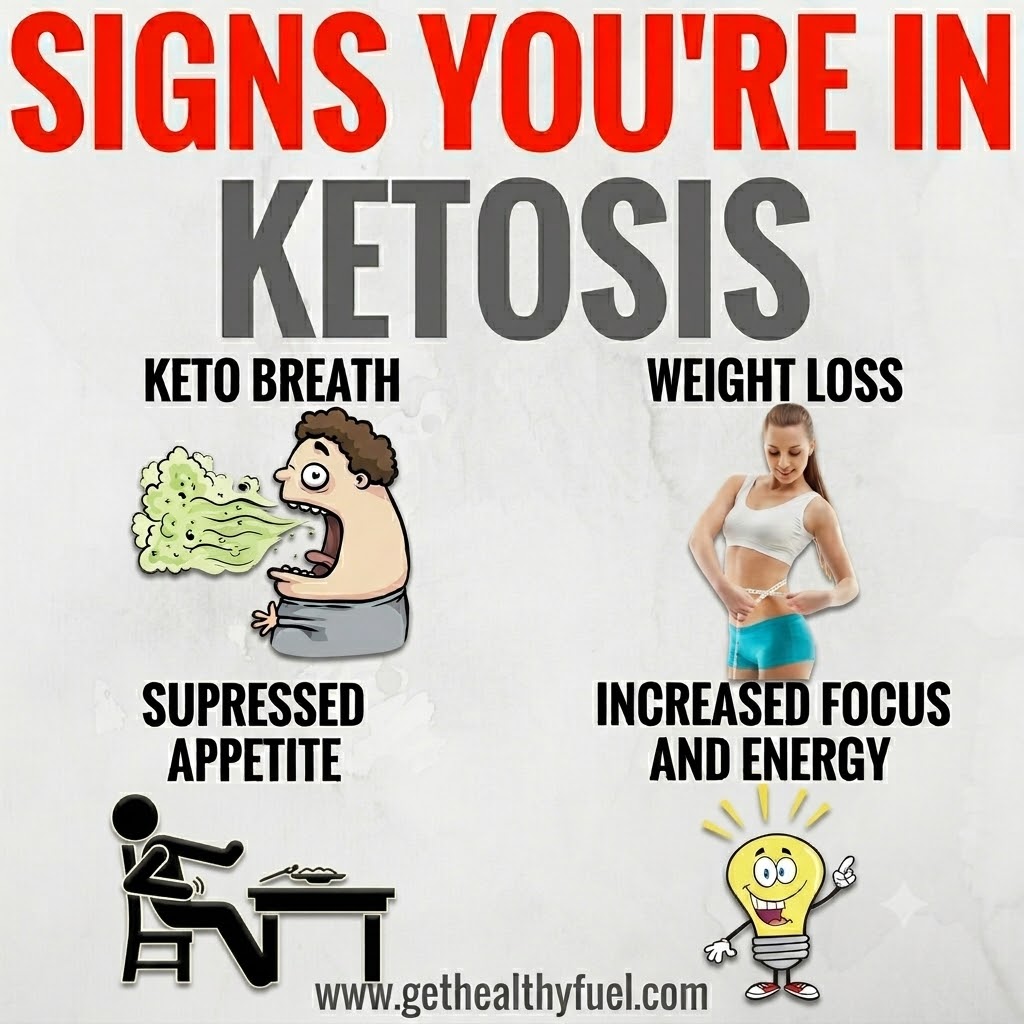
Many beginners experience noticeable changes during the first several days.
Common signs include:
- Reduced appetite
- Increased fat burning
- Mild weight loss
- Better mental clarity
- Increased energy
- Fruity-smelling breath
- Frequent urination
- Lower sugar cravings
Some people may also experience temporary symptoms known as the keto flu, which we’ll discuss later in this guide.
Why Has the Keto Diet Become So Popular?
The keto diet isn’t just another internet trend.
Researchers have been studying ketogenic nutrition for decades, particularly for managing epilepsy. More recently, scientists have explored its potential role in weight management, metabolic health, and blood sugar regulation.
Its popularity continues to grow because many people appreciate its straightforward food rules and the way it can help reduce hunger while supporting fat loss.
Reasons many Americans choose keto include:
- Faster initial weight loss
- Better appetite control
- Stable energy throughout the day
- Reduced sugar cravings
- Simpler meal planning
- Fewer processed foods
- Improved metabolic health for some individuals
Top Science-Backed Benefits of the Keto Diet
While no single diet works for everyone, research suggests the ketogenic diet may offer several potential health benefits when followed appropriately.
1. Supports Healthy Weight Loss
One of the biggest reasons people start keto is weight loss.
By lowering carbohydrate intake, many individuals naturally consume fewer calories because fat and protein tend to be more filling than refined carbohydrates.
This combination may help:
- Reduce overeating
- Improve satiety
- Encourage fat burning
- Lower body fat percentage
2. May Improve Blood Sugar Control
Because carbohydrates have the greatest impact on blood glucose levels, reducing carb intake may help some adults improve blood sugar management.
For people with type 2 diabetes or prediabetes, healthcare providers may recommend lower-carbohydrate eating patterns as part of a broader treatment strategy. However, anyone taking diabetes medication should consult a medical professional before making significant dietary changes, as medication adjustments may be necessary.
3. Helps Reduce Sugar Cravings
Many people struggle with constant cravings for sweets, soda, and processed snacks.
Once the body adapts to using fat for fuel, many keto followers report fewer cravings and improved appetite control, making it easier to stick to healthier eating habits.
4. Provides More Stable Energy
Instead of experiencing repeated spikes and crashes caused by high-sugar meals, some people find that keto promotes steadier energy throughout the day.
This can make it easier to stay productive at work or maintain focus during busy schedules.
5. May Improve Metabolic Health
Emerging research suggests ketogenic diets may positively influence certain markers of metabolic health in some individuals, such as triglyceride levels or insulin sensitivity. Results vary, and long-term effects continue to be studied.
Who Should Consider the Keto Diet?
The keto diet may be appropriate for adults who:
- Want to lose excess body fat
- Need a structured eating plan
- Are trying to reduce added sugar intake
- Want to improve dietary quality by reducing ultra-processed foods
- Have been advised by a healthcare professional to follow a lower-carbohydrate eating pattern
However, keto is not the right choice for everyone. People who are pregnant, have certain medical conditions, or take medications that affect blood sugar should consult a healthcare provider before starting.
What Can You Eat on the Keto Diet?
One of the biggest questions beginners ask is:
“What foods can I eat on the keto diet?”
The good news is that keto isn’t about starving yourself—it’s about choosing foods that are naturally low in carbohydrates while providing healthy fats, quality protein, and essential nutrients.
Instead of counting every calorie, you’ll focus on limiting carbohydrates and replacing them with nutrient-dense whole foods.
The best keto diet is built around real, minimally processed ingredients—not bacon and butter alone. A healthy keto plan includes lean proteins, healthy fats, low-carb vegetables, nuts, seeds, and plenty of hydration.
The Keto Macronutrient Breakdown
For most adults, a standard ketogenic diet follows approximately this ratio:
| Macronutrient | Daily Intake |
|---|---|
| Healthy Fat | 70–75% |
| Protein | 20–25% |
| Net Carbohydrates | 5–10% (20–50g/day) |
Remember, these percentages may vary depending on your age, activity level, weight goals, and overall health.
Complete Keto Diet Food List
Below are the best foods to include in a healthy ketogenic meal plan.
1. Healthy Fats (The Foundation of Keto)
Healthy fats are your body’s primary energy source on keto.
Best Healthy Fats
✅ Extra Virgin Olive Oil
✅ Avocados
✅ Avocado Oil
✅ Coconut Oil
✅ MCT Oil
✅ Olives
✅ Grass-fed Butter (in moderation)
✅ Ghee
Healthy fats help you:
- Stay full longer
- Support hormone production
- Increase ketone production
- Improve energy
- Absorb fat-soluble vitamins
Pro Tip: Prioritize unsaturated fats like olive oil and avocado over excessive saturated fats for better heart health.
2. High-Quality Protein Sources
Unlike popular myths, keto is not a high-protein diet.
Too much protein may make it harder for some people to maintain ketosis.
Choose moderate portions of:
Best Protein Foods
✔ Salmon
✔ Tuna
✔ Sardines
✔ Shrimp
✔ Chicken thighs
✔ Turkey
✔ Eggs
✔ Grass-fed beef
✔ Lean steak
✔ Pork loin
✔ Tofu
✔ Tempeh
Protein helps preserve muscle mass while supporting metabolism and recovery.
3. Low-Carb Vegetables
Vegetables provide fiber, antioxidants, vitamins, and minerals that many beginners overlook.
Best Keto Vegetables
🥦 Broccoli
🥬 Spinach
🥬 Kale
🥒 Cucumber
🥒 Zucchini
🥦 Cauliflower
🌶 Bell peppers
🥬 Lettuce
🥬 Cabbage
🌱 Asparagus
🍄 Mushrooms
🧅 Green onions
🥬 Bok choy
Aim for several servings of non-starchy vegetables every day.
4. Low-Carb Fruits
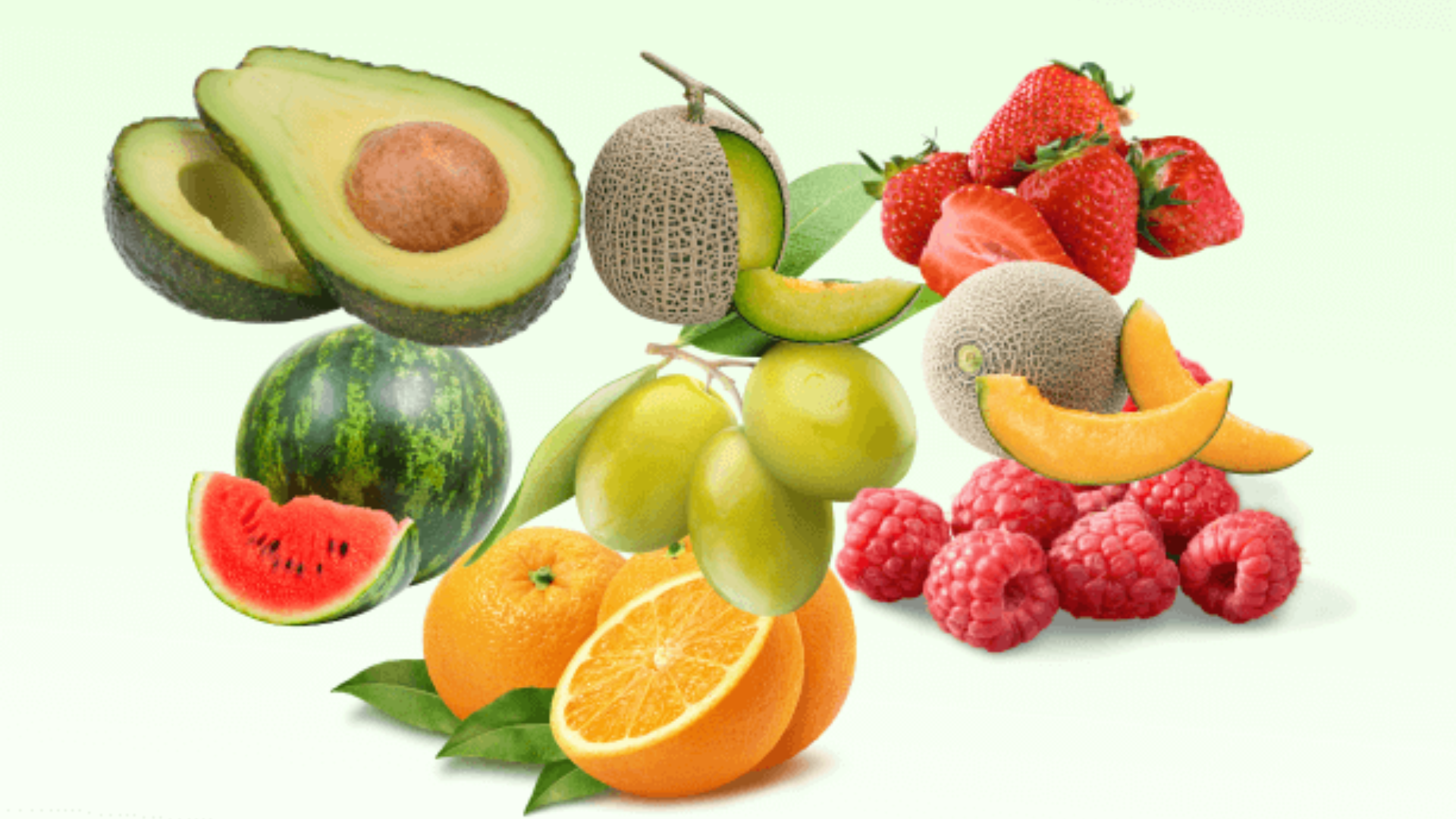
Fruit contains natural sugar, so choose carefully.
Keto-Friendly Fruits
🥑 Avocado
🍋 Lemon
🫐 Blackberries
🫐 Raspberries
🍓 Strawberries (small portions)
These fruits provide fiber and antioxidants while keeping carbohydrate intake relatively low.
5. Dairy Foods
Choose full-fat, minimally processed dairy if you tolerate it well.
Good Choices
- Cheddar cheese
- Mozzarella
- Parmesan
- Cream cheese
- Full-fat Greek yogurt (unsweetened)
- Cottage cheese (in moderation)
Avoid flavored yogurts with added sugars.
6. Nuts and Seeds
Nuts make excellent keto snacks.
Best options include:
- Almonds
- Walnuts
- Pecans
- Macadamia nuts
- Chia seeds
- Flaxseeds
- Pumpkin seeds
These foods provide healthy fats, fiber, magnesium, and plant protein.
Foods to Avoid on the Keto Diet
The goal is to avoid foods that rapidly raise blood sugar and insulin levels.
Avoid These High-Carb Foods
❌ Bread
❌ Pasta
❌ White rice
❌ Brown rice
❌ Oatmeal
❌ Breakfast cereal
❌ Potatoes
❌ Sweet potatoes
❌ Corn
❌ Crackers
❌ Cookies
❌ Cake
❌ Candy
❌ Sugary drinks
❌ Fruit juice
❌ Sports drinks
❌ Honey
❌ Maple syrup
❌ White sugar
❌ Most processed snack foods
Hidden Carbs You Should Watch Out For
Many foods marketed as “healthy” may still contain added sugar.
Always check nutrition labels for:
- Added sugars
- Maltodextrin
- Corn syrup
- Rice syrup
- Dextrose
- Modified starch
- Honey powder
These ingredients can interfere with ketosis.
Best Drinks on Keto
Hydration is essential because the body loses more water during the first few weeks.
Best Choices
✅ Water
✅ Sparkling water
✅ Black coffee
✅ Green tea
✅ Herbal tea
✅ Unsweetened almond milk
✅ Bone broth
Drink plenty of water throughout the day to help prevent dehydration and support electrolyte balance.
Sample Keto Grocery List
Protein
- Eggs
- Chicken
- Salmon
- Beef
- Turkey
- Tuna
Healthy Fats
- Olive oil
- Avocados
- Coconut oil
- Butter
- Cheese
Vegetables
- Spinach
- Broccoli
- Cauliflower
- Lettuce
- Cucumber
- Mushrooms
- Zucchini
Snacks
- Almonds
- Walnuts
- String cheese
- Olives
Pantry
- Chia seeds
- Flaxseed
- Almond flour
- Unsweetened peanut butter
- Herbs & spices
7-Day Keto Diet Meal Plan for Beginners
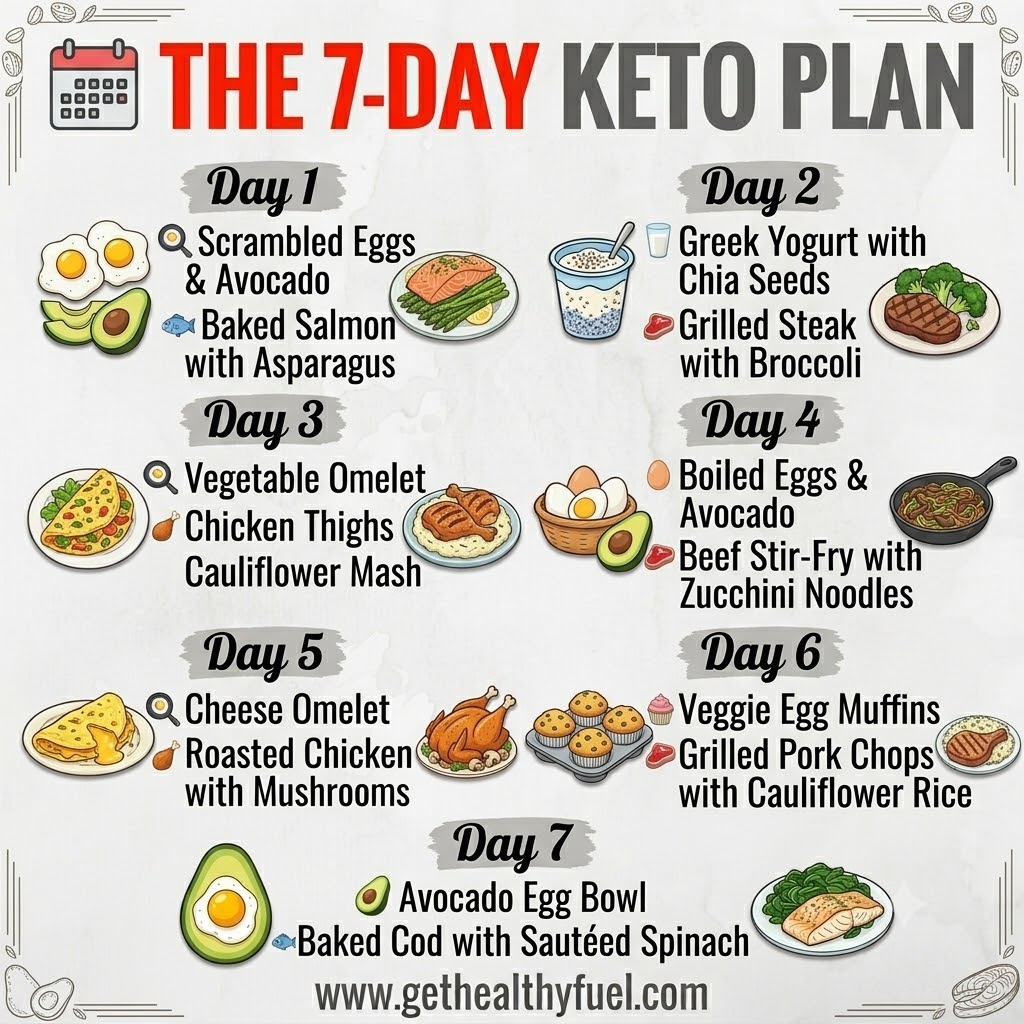
Day 1
Breakfast
Scrambled eggs with avocado
Lunch
Grilled chicken salad with olive oil dressing
Snack
Handful of almonds
Dinner
Baked salmon with roasted asparagus
Day 2
Breakfast
Greek yogurt with chia seeds
Lunch
Turkey lettuce wraps
Snack
Cheese cubes
Dinner
Grilled steak with broccoli
Day 3
Breakfast
Vegetable omelet
Lunch
Tuna salad with avocado
Snack
Walnuts
Dinner
Chicken thighs with cauliflower mash
Day 4
Breakfast
Boiled eggs with avocado
Lunch
Shrimp salad
Snack
Celery with almond butter
Dinner
Beef stir-fry with zucchini noodles
Day 5
Breakfast
Cheese omelet
Lunch
Grilled salmon and spinach salad
Snack
Olives
Dinner
Roasted chicken with mushrooms
Day 6
Breakfast
Egg muffins with vegetables
Lunch
Turkey burger (no bun)
Snack
Pecans
Dinner
Grilled pork chops with cauliflower rice
Day 7
Breakfast
Avocado egg bowl
Lunch
Chicken Caesar salad (without croutons)
Snack
Macadamia nuts
Dinner
Baked cod with sautéed spinach
Easy Keto Snack Ideas
Healthy snacks help prevent overeating between meals.
Some of the best options include:
- Hard-boiled eggs
- Cheese sticks
- Mixed nuts
- Avocado slices
- Celery with peanut butter
- Beef jerky (no added sugar)
- Turkey roll-ups
- Olives
- Cucumber slices with cream cheese
- Roasted pumpkin seeds
Beginner Tips for Grocery Shopping
When shopping for keto foods:
- Buy whole, unprocessed foods whenever possible.
- Read nutrition labels carefully.
- Avoid products with added sugars.
- Choose healthy fats over highly processed oils.
- Shop around the perimeter of the grocery store where fresh foods are usually located.
- Plan meals before shopping to avoid impulse purchases.
Meal Prep Tips for Busy Americans
Meal preparation makes keto much easier to follow.
Try these strategies:
- Cook chicken, beef, or salmon in bulk.
- Wash and chop vegetables ahead of time.
- Portion nuts and seeds into snack-sized containers.
- Prepare breakfast egg muffins for the week.
- Keep healthy fats like avocado and olive oil on hand.
- Freeze cooked meals for busy workdays.
A little planning can help you stay consistent and avoid reaching for high-carb convenience foods.
Science-Backed Benefits of the Keto Diet
The ketogenic diet has been studied for decades, originally as a medical nutrition therapy for epilepsy and more recently for weight management and metabolic health. While no single diet is perfect for everyone, research suggests keto may offer meaningful benefits for some adults when followed correctly and under appropriate medical guidance.
Let’s explore what current evidence says.
1. May Support Healthy Weight Loss
The number one reason most Americans start the keto diet is to lose weight.
Unlike many traditional diets that leave people feeling hungry, keto emphasizes healthy fats and adequate protein, both of which promote satiety. Feeling full for longer may naturally reduce calorie intake without constantly thinking about food.
When carbohydrate intake decreases:
- Insulin levels fall
- The body begins using stored fat for fuel
- Hunger hormones may become more stable
- Snacking often decreases
Many beginners notice rapid weight loss during the first week. However, much of this initial loss comes from water stored with glycogen. Long-term fat loss depends on maintaining healthy eating habits and an overall calorie balance.
Pro Tip: Don’t judge keto success by the first week’s results alone. Sustainable fat loss happens over months—not days.
2. May Help Improve Blood Sugar Control
One of keto’s most researched benefits involves blood sugar management.
Since carbohydrates have the greatest effect on blood glucose levels, reducing carb intake may help some people maintain more stable blood sugar throughout the day.
Several studies suggest that lower-carbohydrate eating patterns may improve insulin sensitivity and reduce the need for certain diabetes medications in some adults with type 2 diabetes. However, these dietary changes should always be supervised by a healthcare provider, especially for individuals taking insulin or glucose-lowering medications.
Many people also report:
- Fewer blood sugar spikes
- Better energy between meals
- Reduced sugar cravings
- Improved appetite control
3. May Reduce Sugar Cravings
One surprising benefit many keto followers mention is that they crave sweets less over time.
Highly processed carbohydrates can trigger repeated cycles of blood sugar spikes and crashes, leading to more hunger. By focusing on healthy fats, fiber rich vegetables, and quality protein, many people experience fewer cravings for candy, soda, pastries, and other sugary foods.
This makes sticking to healthier eating habits easier for many individuals.
4. May Increase Satiety
Healthy fats digest more slowly than refined carbohydrates.
That slower digestion often means:
- Feeling full longer
- Eating fewer snacks
- Less emotional eating
- Better portion control
Combined with adequate protein and fiber rich vegetables, keto meals can be highly satisfying without requiring constant calorie counting.
5. May Improve Certain Heart Health Markers
This is one area where the science is more nuanced.
For some individuals, losing excess weight on a well-formulated keto diet may improve:
- Triglyceride levels
- HDL (“good”) cholesterol
- Blood pressure
- Blood sugar control
However, eating large amounts of saturated fat from processed meats and butter may increase LDL (“bad”) cholesterol in some people. That’s why many dietitians recommend emphasizing unsaturated fats from foods like:
- Olive oil
- Avocados
- Nuts
- Seeds
- Fatty fish
If you have high cholesterol or cardiovascular disease, consult your healthcare provider before starting keto.
6. May Support Mental Focus
Although more research is needed, many people report feeling mentally sharper after adapting to ketosis.
Some users describe:
- Better concentration
- Fewer afternoon energy crashes
- Improved productivity
- More consistent energy throughout the day
Scientists continue to study whether ketones provide a more stable fuel source for the brain in certain situations.
Potential Side Effects of the Keto Diet
Like any significant dietary change, the keto diet can cause temporary side effects, especially during the first week.
Most symptoms improve as the body adjusts to using fat instead of carbohydrates.
Common side effects include:
- Headaches
- Fatigue
- Muscle cramps
- Dizziness
- Constipation
- Nausea
- Brain fog
- Dry mouth
- Increased thirst
- Bad breath
- Frequent urination
These symptoms are often temporary and can usually be reduced by staying hydrated, getting enough electrolytes, and eating nutrient-rich foods.
What Is the Keto Flu?
The “keto flu” isn’t actually the flu. It’s a collection of short-term symptoms that some people experience while transitioning into ketosis.
Common Keto Flu Symptoms
- Fatigue
- Irritability
- Difficulty concentrating
- Mild headaches
- Weakness
- Muscle cramps
- Low energy
- Nausea
These symptoms typically appear within the first few days and often improve within one to two weeks.
How to Reduce Keto Flu Symptoms
- Drink more water.
- Increase sodium, potassium, and magnesium through food or supplements if recommended by your healthcare provider.
- Eat enough healthy fats.
- Avoid cutting calories too aggressively.
- Get adequate sleep.
- Ease into intense exercise until your body adapts.
Common Keto Mistakes Beginners Make
Many people quit keto because of avoidable mistakes. Here are the most common ones.
1. Eating Too Many Hidden Carbs
Carbohydrates can hide in:
- Salad dressings
- Sauces
- Yogurt
- Protein bars
- Flavored coffee drinks
- Processed “low-carb” snacks
Always read nutrition labels carefully.
2. Not Eating Enough Vegetables
Some beginners focus only on meat and cheese.
Instead, include plenty of non-starchy vegetables such as spinach, broccoli, cauliflower, zucchini, and asparagus to increase fiber and micronutrient intake.
3. Forgetting Electrolytes
As insulin levels drop, the body loses water and electrolytes more quickly.
Low sodium, potassium, or magnesium may contribute to fatigue and muscle cramps.
Bone broth, leafy greens, nuts, seeds, and mineral-rich foods can help support electrolyte balance.
4. Eating Too Much Protein
Many people mistakenly think keto is a high-protein diet.
In reality, keto emphasizes:
- High healthy fats
- Moderate protein
- Very low carbohydrates
Excess protein may reduce ketone production in some individuals.
5. Depending on Processed Keto Foods
Today’s grocery stores are full of:
- Keto cookies
- Keto candy
- Keto ice cream
- Keto chips
While convenient, these products are often highly processed.
A healthier approach focuses on whole foods such as:
- Eggs
- Fish
- Chicken
- Avocados
- Olive oil
- Nuts
- Vegetables
Is the Keto Diet Safe?
For many healthy adults, a well planned ketogenic diet can be safe in the short term. However, long-term effects are still being studied.
You should speak with your healthcare provider before starting keto if you:
- Have type 1 diabetes
- Take insulin or diabetes medications
- Have kidney disease
- Have liver disease
- Are pregnant or breastfeeding
- Have a history of eating disorders
- Take medications that may be affected by major dietary changes
Medical supervision helps ensure the diet is appropriate for your health needs.
Who Should Avoid the Keto Diet?
Keto may not be suitable for everyone.
It may not be appropriate for individuals with:
- Certain metabolic disorders
- Pancreatic disease
- Severe liver disease
- Some kidney conditions
- Pregnancy or breastfeeding (unless specifically recommended by a healthcare professional)
A personalized nutrition plan is often the safest option for people with complex medical conditions.
Expert Tips for Keto Success
If you’re ready to start keto, these practical strategies can help improve your chances of success:
✔ Focus on Whole Foods
Build meals around fresh vegetables, healthy fats, quality protein, and minimally processed ingredients.
✔ Plan Meals Ahead
Meal planning reduces the temptation to grab high-carb convenience foods.
✔ Stay Hydrated
Aim to drink water consistently throughout the day.
✔ Include Fiber-Rich Foods
Low-carb vegetables, chia seeds, flaxseeds, and nuts can help support digestive health.
✔ Exercise Regularly
Walking, resistance training, and strength exercises complement a healthy keto lifestyle.
✔ Prioritize Sleep
Poor sleep can increase cravings and make healthy eating more difficult.
✔ Monitor Your Progress
Instead of focusing only on the number on the scale, pay attention to:
- Energy levels
- Waist circumference
- Blood sugar (if recommended)
- Physical performance
- Overall well-being
Key Takeaways
A properly planned ketogenic diet can be an effective tool for some adults looking to improve their eating habits, lose weight, or better manage certain metabolic health conditions. The greatest benefits often come from emphasizing whole foods, healthy fats, lean proteins, and non-starchy vegetables rather than relying on processed “keto” products.
Consistency, realistic expectations, and guidance from a healthcare professional especially if you have an existing medical condition are key to long-term success.