Is Your Thyroid Causing Your High Blood Pressure?
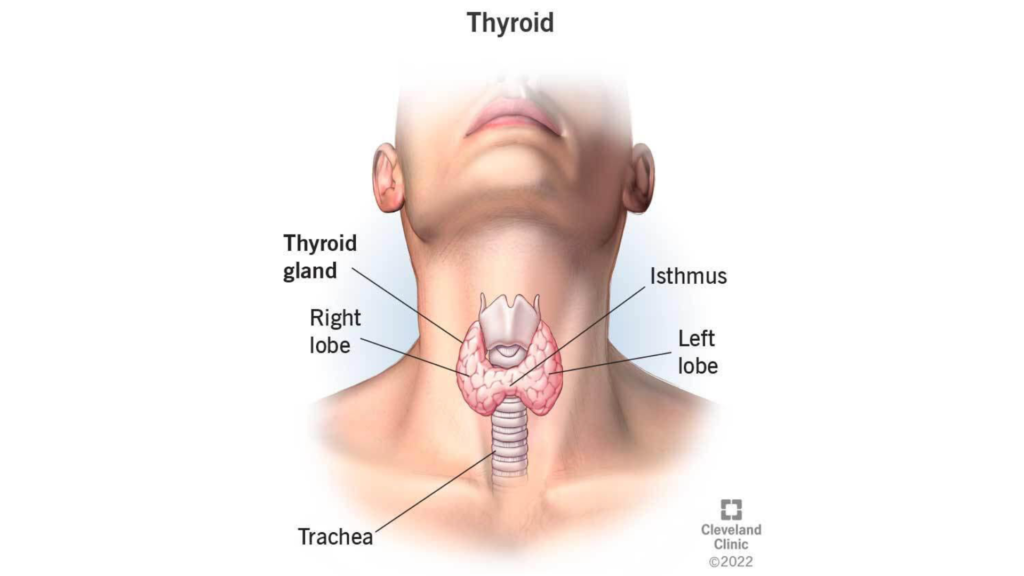
Thyroid Gland
When people are diagnosed with high blood pressure, the first places they look are their diet, stress levels, or family history. They cut back on salt, lace up their running shoes, and maybe start a daily prescription. But what happens when the usual medications for treating blood pressure don’t help?
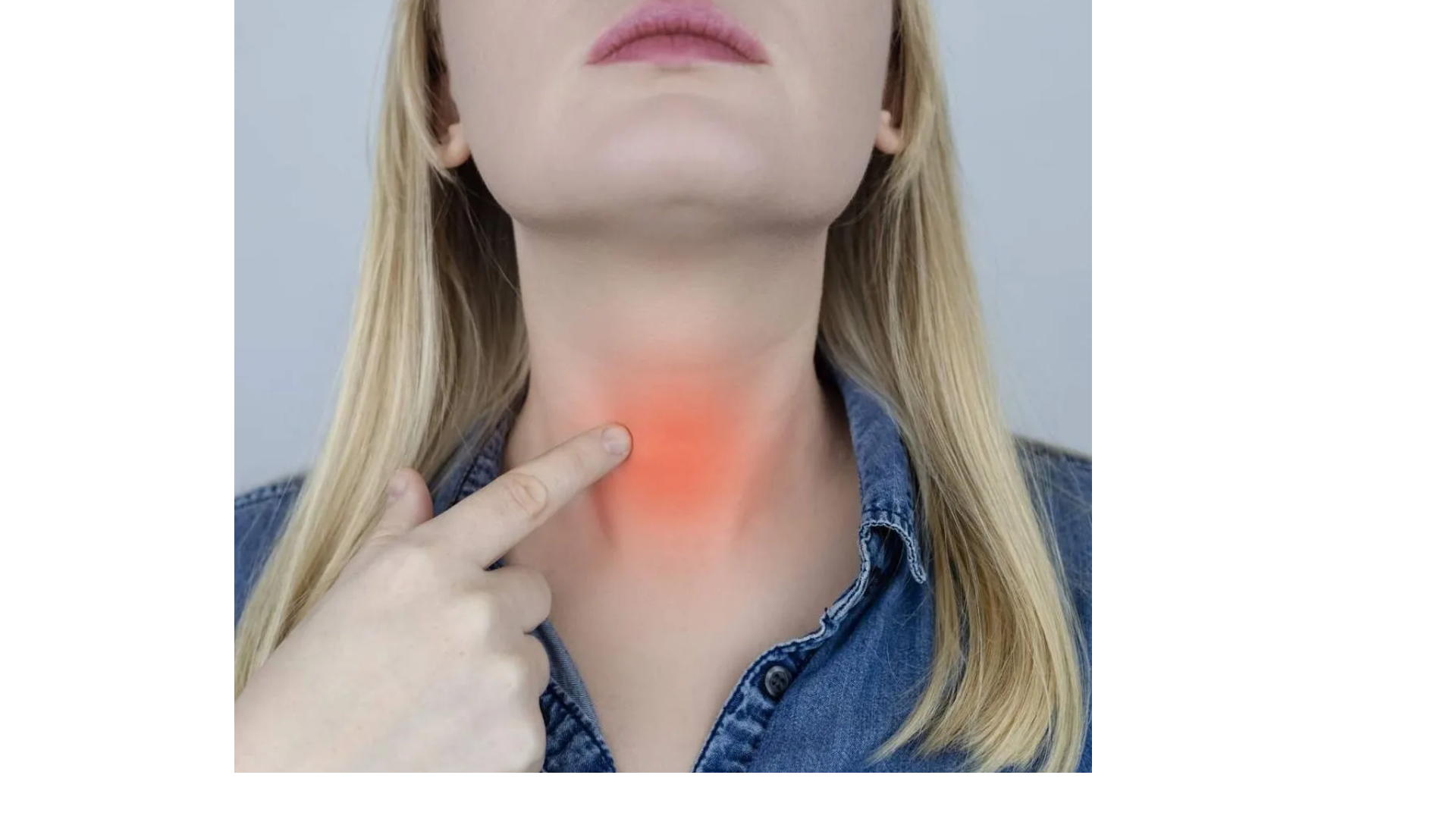
If you are dealing with stubborn, treatment resistant hypertension, the true culprit might not be your heart or your diet at all. It could be a small, butterfly-shaped gland resting at the base of your neck: your thyroid.
The link between thyroid disorder and hypertension is a powerful one. Because your thyroid hormone fundamentally dictates your body’s metabolism, too little or too much of this crucial hormone can contribute to severe heart problems and disrupt your entire circulatory system.
Thyroid Hormone: How It Affects Your Heart
Your thyroid gland acts as the body’s primary control panel for energy expenditure. It releases hormones (specifically T3 and T4) that communicate directly with your cardiovascular system. From regulating your heart muscle’s pumping capacity to maintaining the flexibility of your blood-vessel walls, your thyroid keeps your heart rhythm steady.
When a malfunctioning thyroid begins pumping out the wrong amounts of hormone, it alters your hemodynamics (how blood flows through your body). A thyroid disorder can cause hypertension through two entirely different pathways, depending on whether the gland is running too fast or too slow.
Hyperthyroidism and Your Heart: Excess Thyroid Hormone
Hyperthyroidism occurs when you have an overactive thyroid that produces an excess of thyroid hormone. If you’ve ever wondered what doctors wish patients knew about hyperthyroidism, it is that this condition causes high thyroid levels that can mimic other cardiac conditions or even make you feel perpetually “overcaffeinated.”
The Cardiovascular Impact of an Overactive Thyroid
When your system is flooded with excess thyroid hormone, your body goes into overdrive. The hormone acts like a chemical accelerator on your heart muscle:
- Elevated Heart Rate: It triggers a rapid heartbeat and noticeable heart palpitations.
- Systolic Hypertension: Because the heart is pumping harder and faster, it forces more blood into the arteries, spiking your systolic blood pressure (the top number).
- Arrhythmias: Left unchecked, it can lead to dangerous irregular rhythms like atrial fibrillation.
Symptoms of Hyperthyroidism Vary
The spectrum of symptoms can be very individual. While some people experience classic signs like unexplained weight loss, anxiety, tremulousness (shaking hands), insomnia, and heat intolerance with excess sweating, others may only notice that their heart won’t stop racing.
Watch Your Eyes: In cases driven by Graves’ disease an autoimmune disorder where the immune system attacks the thyroid patients may also experience thyroid eye disease (Graves’ orbitopathy), causing dry, protruding, or inflamed eyes.
Hypothyroidism: The Cardiac Connection
On the opposite end of the spectrum is hypothyroidism, or an underactive thyroid. While an overactive thyroid speeds things up, a lack of thyroid hormone slows everything to a crawl. The resulting hypertension is can be attributed to a completely different mechanism: arterial stiffening.
How an Underactive Thyroid Drives Up Blood Pressure
When your body lacks sufficient thyroid hormone, your metabolism plummets, directly impacting your vascular health:
- Stiffer Arteries: Without enough hormone, your blood-vessel walls become less elastic. When your arteries lose their flexibility, the heart has to push against greater resistance.
- Diastolic Hypertension: This vascular resistance primarily drives up your diastolic blood pressure (the bottom number).
- Cholesterol and Metabolism: A malfunctioning thyroid impairs liver function, causing a jump in your bad cholesterol levels, which further threatens your heart arteries.
Hypothyroidism Symptoms and Signs in an Older Person
In younger adults, an underactive thyroid often presents as obvious fatigue, sudden weight gain, and constipation. However, in elderly individuals, hypothyroidism can be a master masquerader.
In an older person, the signs are frequently subtle and easily mistaken for normal aging or early dementia. Family members should watch out for extreme fatigue, uncharacteristic confusion, balance issues, and a constant complaint that “baby, it’s cold inside”—a distinct cold intolerance even in a warm room.
Who’s at Risk for Thyroid Problems?
Thyroid issues don’t happen in a vacuum. You are at a higher risk of developing a thyroid disorder if you have a family history of endocrine issues, a personal history of autoimmune conditions (like type 1 diabetes), or if you are in a postpartum state. Additionally, women over the age of 60 are statistically far more likely to develop an underactive thyroid.
Controlling Your Blood Pressure: The Medical Path Forward
If your high blood pressure is the direct result of either an overactive or underactive thyroid, managing hyperthyroidism or hypothyroidism requires careful, professional diagnosis. The good news? Treating the underlying thyroid condition often brings your blood pressure back down into a healthy range without the need for lifetime, heavy anti-hypertensive drugs.
[Patient Symptoms] ➔ [TSH Blood Test] ➔ [Targeted Thyroid Therapy] ➔ [Regulated Blood Pressure]
Treatment Options for an Overactive Thyroid
Managing an overactive thyroid involves slowing down hormone production. Depending on your specific case, an endocrinologist may recommend:
- Antithyroid Medications: Drugs like Methimazole or Propylthiouracil (PTU). (Note: With Graves’ disease, don’t skip a dose, as consistency is key to keeping hormone levels stable).
- Beta-Blockers: These provide rapid symptomatic relief for a racing heart and palpitations while other treatments take effect.
- Radioactive Iodine or Surgery (Thyroidectomy): Permanent solutions to halt hormone overproduction.
Treatment Options for an Underactive Thyroid
For hypothyroidism, the strategy is simple replacement. Doctors prescribe supplemental hormones (like levothyroxine) to restore balance. While thyroid levels improve gradually over a few weeks, medication is likely lifelong.
Ultimately, patient preference determines treatment. A collaborative, team approach to treating thyroid disorders combining the expertise of your primary care physician, a cardiologist, and an endocrinologist ensures the best outcome for your heart and your hormones.
Maintain a Healthy Lifestyle: Food is Medicine
While conventional treatment and prescription medications are absolutely vital to correcting a hormonal imbalance, integrating lifestyle interventions gives your body the ultimate edge.
Focus on a clean diet rich in whole foods, manage everyday stress, and pay attention to how your body responds to exercise. However, remember that lifestyle tweaks are a support system, never a substitute for direct medical advice from a trained clinician.
There are serious complications if left untreated ncluding heart failure, stroke, and accelerated osteoporosis (loss of bone density). If your blood pressure numbers aren’t budging despite your best efforts, look beyond the heart. Schedule a simple thyroid-stimulating hormone (TSH) blood test. Fixing your thyroid might just be the missing key to finally calming your cardiovascular system.
Disclaimer: This article is for informational purposes only and should not be used as a substitute for professional medical advice, diagnosis, or treatment. Always seek the advice of your physician or other qualified health provider with any questions you may have regarding a medical condition.