Measles Prevention, Symptoms, and Clinical Management: What Physicians Want You to Know
The recent resurgence of measles across the United States has reignited urgent concerns among public health agencies, pediatricians, and infectious disease specialists. With vaccination rates faltering in specific regions, medical professionals emphasize that understanding viral transmission, recognizing early clinical signs, and maintaining robust community immunity are critical to preventing widespread outbreaks.
Understanding Measles Transmission and the Rubeola Virus
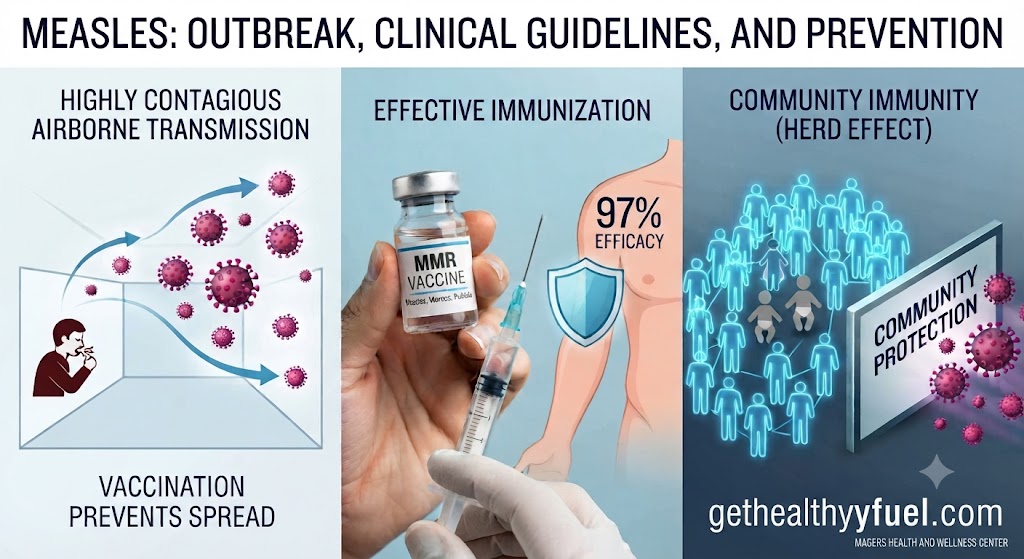
Measles is classified as one of the most contagious infectious diseases known to modern medicine. Caused by the rubeola virus, it spreads primarily through airborne transmission via respiratory droplets released when an infected individual coughs or sneezes.
Because the virus infects the nasopharynx and oropharynx, these aerosolized droplets remain suspended and infectious in closed airspace for up to two hours after an infected person leaves the room. The basic reproduction number (R0) for measles ranges between 12 and 18, meaning a single unimmunized person can infect up to 18 others in a susceptible population. Consequently, approximately 90% of unvaccinated close contacts exposed to the virus will contract the disease.
Clinical Presentation: Recognizing Symptoms and the Course of Illness
The incubation period for measles typically spans 7 to 14 days following initial exposure before symptoms manifest. The illness progresses through distinct clinical stages:
- Prodromal Phase: Early signs mimic standard viral respiratory infections, featuring a high fever (which can spike up to 104°F to 105°F), fatigue, generalized body aches, a persistent cough, coryza (runny nose), and conjunctivitis (red, watery, and irritated eyes).
- Koplik Spots: Occurring a few days prior to the rash, small white spots may appear on the buccal mucosa (inner cheek). These pathognomonic lesions serve as a definitive clinical indicator for measles.
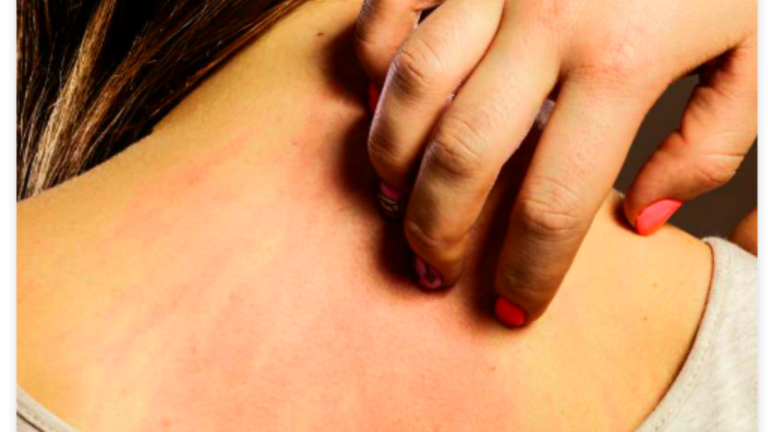
- Exanthem (Rash Stage): Three to five days after initial symptoms begin, a characteristic red-brown, blotchy rash develops. Starting at the hairline behind the ears and neck, the rash progresses downward over the face, trunk, and extremities in a descending pattern. It typically lasts for one to two weeks before resolving in the same top down order.
Patients are considered contagious starting four days before the onset of the rash until four days after it appears.
Clinical Complications and Disease Severity
While many patients recover within 7 to 10 days, measles frequently leads to severe secondary complications, particularly in young children under the age of 5, pregnant women, and immunocompromised individuals. Clinical management focuses on supportive care, as there are no specific antiviral treatments available for measles.
- Respiratory and Systemic Issues: Secondary infections often include acute otitis media, bronchitis, and severe viral or bacterial pneumonia, which remains the leading cause of measles-related mortality.
- Neurological Complications: Acute encephalitis inflammation of the brain occurs in approximately one in every 1,000 cases, carrying a significant risk of permanent neurological damage. A rare, fatal neurodegenerative condition known as subacute sclerosing panencephalitis (SSPE) can manifest years after the initial infection.
Diagnostic Testing and Patient Management
When a measles exposure or infection is suspected, clinical protocols require specific precautions to protect healthcare personnel and other vulnerable patients:
- Diagnostic Workup: Physicians typically utilize real-time Polymerase Chain Reaction (PCR) testing via deep nasopharyngeal or throat swabs, alongside blood tests to check for acute IgM antibodies. Urine samples can also be utilized and processed through public health departments.
- Pre-Arrival Protocols: Patients exhibiting symptoms should contact their healthcare provider or facility before arriving in person. This allows clinics to isolate potentially infectious individuals immediately and prevent nosocomial transmission within waiting areas. Healthcare workers should utilize appropriate personal protective equipment (PPE), including N95 or higher NIOSH-certified respirators.
The Role of the MMR Vaccine and Community Immunity
Vaccination remains the single most effective defense against measles. The live, attenuated measles, mumps, and rubella (MMR) vaccine or the MMRV vaccine, which includes varicella protection offers exceptional efficacy.
- Immune Protection: Receiving two doses of the MMR vaccine provides approximately 97% lifelong immunity, while a single dose yields roughly 93% protection.
- Community Immunity: Public health agencies emphasize that maintaining a population vaccination rate of at least 95% is vital to achieving community immunity (formerly termed herd immunity). This threshold prevents viral footholds and stops localized outbreaks from escalating.
Special Considerations: Travel and Post-Exposure Prophylaxis
Because international travel frequently serves as the source of imported measles cases into the United States, pre-travel medical consultations are strongly advised. Infants between 6 and 11 months old traveling internationally can receive an early dose of the MMR vaccine to establish baseline protection before departure.
For unimmunized individuals exposed to the virus, post-exposure prophylaxis such as administering the MMR vaccine within 72 hours of exposure or utilizing immune globulin for high-risk groups within six days can significantly modify disease severity or prevent infection entirely.
Frequently Asked Questions (FAQs)
1. How long is a person with measles contagious?
Patients with measles are contagious from four days before the onset of the rash until four days after the rash appears. They are not considered contagious during the initial incubation period before symptoms emerge.
2. How long can the measles virus survive in the air or on surfaces?
The measles virus can remain suspended and infectious in airborne droplets for up to two hours in a room or airspace after an infected person has left. It can also survive on contaminated surfaces for up to two hours.
3. What are the first signs and symptoms of measles?
Initial symptoms typically appear 7 to 14 days after exposure and include a high fever (up to 104°F or 105°F), a persistent cough, runny nose, red and watery eyes (conjunctivitis), and fatigue. Small white spots inside the mouth (Koplik spots) may also appear before the rash develops.
4. How effective is the MMR vaccine?
Two doses of the MMR vaccine are approximately 97% effective at preventing measles for life. A single dose provides about 93% protection.
5. What should I do if I suspect I or my child has been exposed to measles?
If you suspect exposure or notice symptoms, call your doctor’s office or clinic before arriving. This enables healthcare staff to take isolation precautions and protect other vulnerable patients in the facility.