Top 10 Tips to Stop Snoring
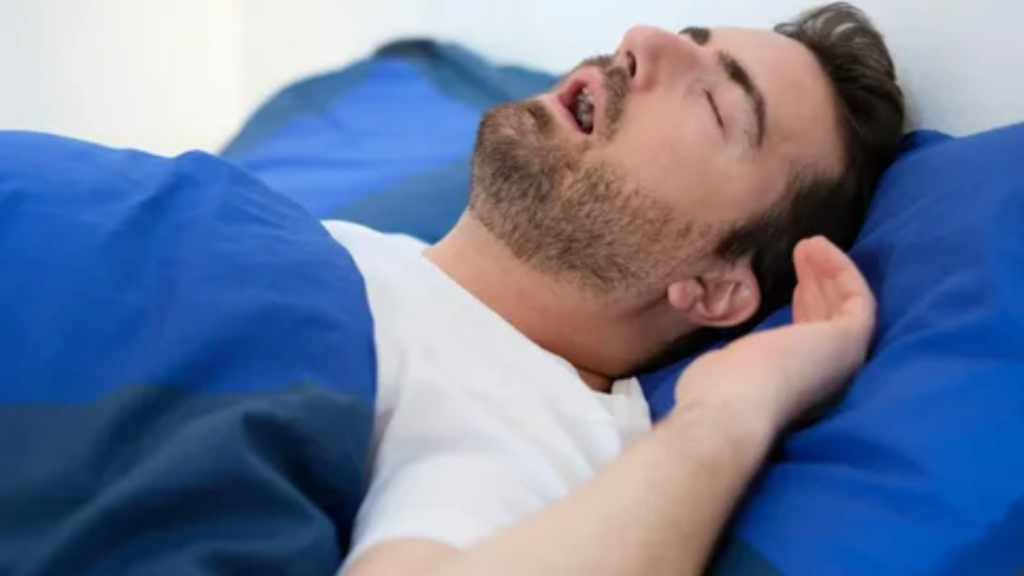
Snoring is one of the most common sleep-related issues affecting millions of adults worldwide. While occasional snoring may seem harmless, persistent or loud snoring can be a warning sign of obstructive sleep apnea (OSA), a serious sleep disorder that causes repeated interruptions in breathing during sleep.
Chronic snoring can negatively affect sleep quality, cause excessive daytime sleepiness, trigger morning headaches, and increase the risk of cardiovascular problems. Fortunately, there are several proven strategies that can help reduce snoring and improve your overall health.
In this guide, you’ll discover the top 10 tips to stop snoring naturally and learn about effective sleep apnea treatment options.
1. Get a Sleep Study
If you regularly experience loud snoring, interrupted breathing, choking during sleep, or daytime fatigue, a sleep study may be the first step toward a solution.
A sleep study helps doctors diagnose sleep disorders such as obstructive sleep apnea by monitoring:
- Breathing patterns
- Blood oxygen levels
- Heart rate monitoring
- Brain wave monitoring
- Sleep stages
- Leg and eye movements
Some sleep studies can be performed at home using portable devices, while others take place in a sleep center under professional supervision.
Understanding the root cause of your snoring can help determine the most effective treatment plan.
2. Avoid or Reduce Use of Alcohol, Tobacco, and Sedatives
Alcohol, tobacco, and sedative medications are common contributors to snoring.
These substances relax the muscles in the throat, increasing airway obstruction and making breathing difficulties more likely during sleep.
Why This Matters
- Alcohol and snoring are strongly linked.
- Smoking causes inflammation in the airway.
- Sedatives can worsen obstructive sleep apnea symptoms.
- Relaxed throat tissues increase vibration and snoring sounds.
Reducing or eliminating these substances can improve airflow and reduce chronic snoring.
3. Change Sleep Positions
Your sleeping position plays a significant role in snoring severity.
When sleeping on your back, your tongue tends to fall backward toward your throat, restricting airflow and increasing vibrations in throat tissues.
Best Sleeping Position for Snoring
Side sleeping is often considered the best sleeping position for snoring because it helps keep the airway open.
Benefits of side sleeping include:
- Improved airflow
- Reduced airway restriction
- Less tongue collapse
- Better breathing during sleep
Many people notice immediate improvements simply by changing their sleep position.
4. Use a Nasal Dilator or Nasal Strips
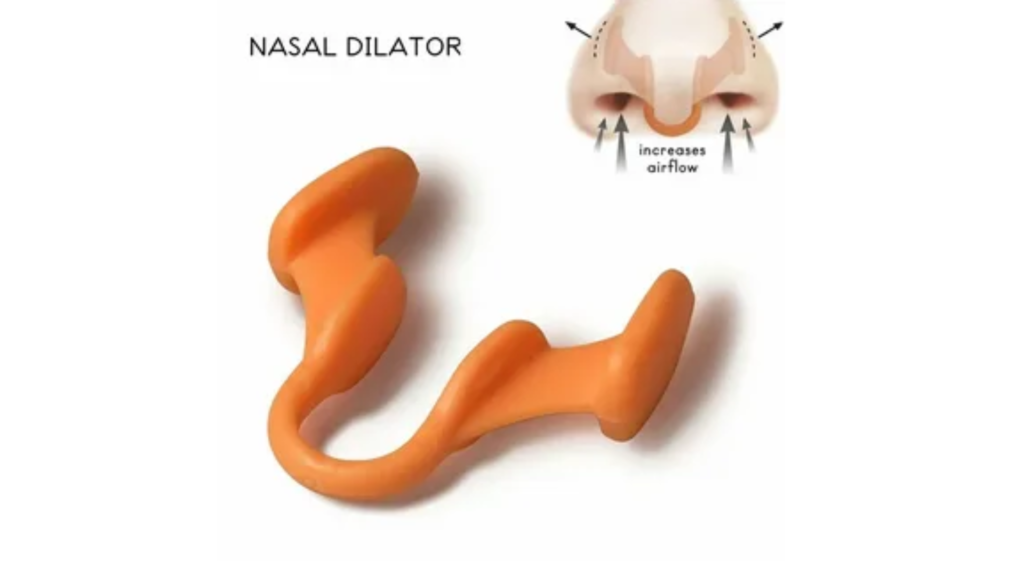
For individuals who snore because of nasal congestion or a narrow nasal passage, nasal strips and nasal dilators can be highly effective.
How They Work
Nasal strips gently pull open the nasal passages, while nasal dilators widen the nostrils to improve airflow.
Potential benefits include:
- Easier breathing through the nose
- Reduced airway resistance
- Improved sleep quality
- Less nighttime snoring
However, if your snoring is caused by sleep apnea, additional treatment may be necessary.
5. Lose Weight
Weight loss is one of the most effective natural remedies for snoring.
Excess fat around the neck can narrow the airway and increase the risk of airway obstruction during sleep.
Can Weight Loss Stop Snoring?
In many cases, yes.
Weight loss can:
- Reduce pressure on the airway
- Improve breathing patterns
- Lower sleep apnea risk factors
- Enhance sleep quality
Even losing a small amount of weight may significantly reduce snoring intensity.
6. Aim for More Hours of Sleep
Sleep deprivation often makes snoring worse.
When you don’t get enough rest, the muscles in your throat become more relaxed during sleep, increasing the likelihood of airway collapse.
Healthy Sleep Habits
Adults should aim for:
- 7 to 9 hours of sleep per night
- A consistent bedtime routine
- Good sleep hygiene practices
- A comfortable sleep environment
Getting enough sleep not only helps reduce snoring but also improves concentration, mood, and overall health.
7. Find Support (Partners of Snoring Individuals)
Snoring doesn’t just affect the person who snores—it can significantly impact partners and family members as well.
Common consequences include:
- Poor sleep quality
- Fatigue
- Irritability
- Relationship stress
Partners can provide support by encouraging medical evaluation and helping implement lifestyle changes.
Temporary solutions such as white noise machines and earplugs may also improve sleep while treatment is being pursued.
8. Get a Mouthguard
An oral appliance, sometimes called a mouthguard for snoring, can be an effective treatment for mild to moderate obstructive sleep apnea.
How Oral Appliance Therapy Works
A custom-fitted device gently repositions the jaw and tongue to keep the airway open during sleep.
Benefits include:
- Reduced snoring
- Improved breathing
- Greater comfort than some alternatives
- Better sleep quality
Many patients prefer oral appliance therapy because it is portable, non-invasive, and easy to use.
9. Try a CPAP Machine
A Continuous Positive Airway Pressure (CPAP) machine is considered the gold standard treatment for moderate to severe sleep apnea.
CPAP Machine Benefits
A CPAP machine delivers a steady flow of air through a sleep apnea mask, preventing airway collapse throughout the night.
Benefits include:
- Reduced snoring
- Improved oxygen levels
- Better sleep quality
- Increased daytime energy
- Lower risk of sleep apnea complications
Although some individuals need time to adjust, CPAP therapy remains one of the most effective anti-snoring treatments available.
10. Get Surgery
For individuals who do not respond to conservative treatments, surgery may be an option.
Sleep Apnea Surgery Options
Procedures may involve:
- Removing excess throat tissue
- Correcting jaw positioning
- Improving nasal airflow
- Addressing structural airway problems
A sleep specialist can determine whether surgery is appropriate based on your specific condition and medical history.
Signs You May Have Obstructive Sleep Apnea
Seek professional evaluation if you experience:
- Loud chronic snoring
- Choking during sleep
- Interrupted breathing
- Morning headaches
- Excessive daytime sleepiness
- Poor concentration
- Restless sleep
- High blood pressure
Early diagnosis can prevent serious health complications and improve your quality of life.
How to Treat Sleep Apnea: Contact Sleep Better Illinois
If you’re struggling with chronic snoring or suspect you may have obstructive sleep apnea, seeking professional help is essential.
A qualified sleep specialist can perform a sleep diagnosis, recommend a sleep study, and help determine the most effective treatment option for your condition. Depending on the severity of your symptoms, treatment may include lifestyle modifications, oral appliance therapy, CPAP treatment, or surgical intervention.
Taking action today can help you enjoy better sleep, improve your overall health, and reduce the risks associated with untreated sleep apnea.
Frequently Asked Questions
Why do people snore?
Snoring occurs when airflow is partially blocked during sleep, causing tissues in the throat to vibrate.
Is snoring always a sign of sleep apnea?
No, but persistent loud snoring is one of the most common symptoms of obstructive sleep apnea.
What is the best treatment for sleep apnea?
Treatment depends on severity but commonly includes CPAP therapy, oral appliances, weight loss, and lifestyle changes.
How can I stop snoring naturally?
Natural remedies for snoring include weight loss, side sleeping, reducing alcohol consumption, improving sleep hygiene, and using nasal strips.
Conclusion
Snoring can affect your health, energy levels, and relationships, but it doesn’t have to be a permanent problem. Whether your snoring is caused by poor sleep habits, excess weight, nasal congestion, or obstructive sleep apnea, effective solutions are available.
By following these top 10 tips to stop snoring, you can improve airflow, enhance sleep quality, and enjoy more restful nights. If symptoms persist, consult a sleep specialist to explore advanced treatment options and receive a proper diagnosis.