7 Easy Ways to Lower Your Blood Pressure and Prevent Hypertension Naturally
High blood pressure is often called the “silent killer” because it usually develops without obvious symptoms. Over time, uncontrolled blood pressure can increase the risk of heart disease, stroke, kidney disease, and other serious health conditions. The good news is that healthy lifestyle habits can help prevent high blood pressure and support long-term cardiovascular health.
In this guide, you’ll discover practical, science backed strategies to maintain healthy blood pressure naturally and improve your overall well-being.
Key Points
- High blood pressure, also known as hypertension, affects millions of people worldwide.
- Healthy lifestyle changes can significantly reduce your risk of developing hypertension.
- Eating a balanced diet, staying active, maintaining a healthy weight, and managing stress are essential for blood pressure control.
- Small daily habits can make a big difference in long-term heart health.
Practice Healthy Living Habits to Help Prevent High Blood Pressure
Prevention is often easier than treatment. Adopting healthy habits today can protect your heart and blood vessels for years to come.
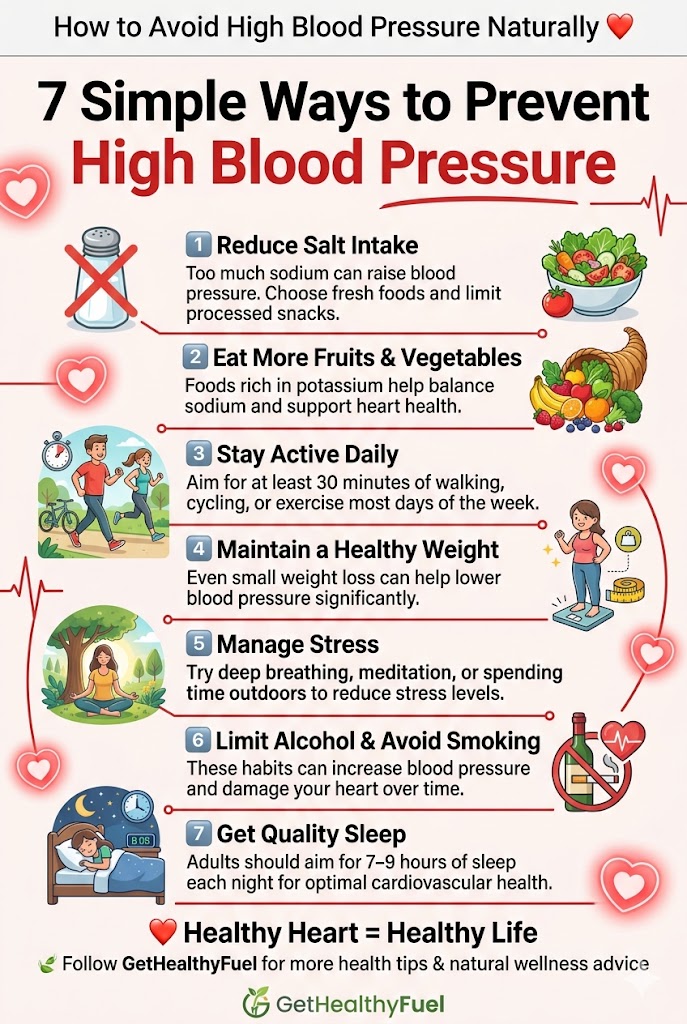
1. Eat a Healthy Diet
A nutritious diet is one of the most effective ways to prevent high blood pressure naturally.
Focus on foods rich in vitamins, minerals, and fiber while limiting processed foods high in sodium and unhealthy fats.
Best foods for healthy blood pressure include:
- Fruits and vegetables
- Whole grains
- Lean proteins
- Fish rich in omega-3 fatty acids
- Nuts and seeds
- Beans and legumes
- Low-fat dairy products
Reducing salt intake is especially important. Excess sodium can cause the body to retain water, increasing pressure on blood vessel walls.
2. Keep Yourself at a Healthy Weight
Being overweight places additional strain on the heart and circulatory system.
Research consistently shows that maintaining a healthy body weight can lower blood pressure and reduce the risk of cardiovascular disease.
Tips for healthy weight management:
- Control portion sizes
- Eat nutrient-dense foods
- Stay physically active
- Avoid sugary beverages
- Track your progress regularly
Even modest weight loss can have a positive impact on blood pressure levels.
3. Be Physically Active
Regular exercise strengthens the heart, improves circulation, and helps maintain healthy blood pressure.
Aim for at least 150 minutes of moderate-intensity physical activity each week.
Examples include:
- Brisk walking
- Cycling
- Swimming
- Dancing
- Jogging
- Strength training
Physical activity also supports weight management, stress reduction, and better sleep quality.
4. Do Not Smoke
Smoking damages blood vessels and increases the risk of hypertension, heart disease, and stroke.
Every cigarette causes a temporary increase in blood pressure and heart rate. Over time, tobacco use contributes to artery damage and poor cardiovascular health.
Benefits of quitting smoking include:
- Improved circulation
- Better lung function
- Lower blood pressure
- Reduced heart disease risk
- Increased life expectancy
It’s never too late to stop smoking and improve your health.
5. Limit How Much Alcohol You Drink
Excessive alcohol consumption can contribute to high blood pressure and weight gain.
If you choose to drink alcohol, do so in moderation.
Healthy habits include:
- Limiting alcoholic beverages
- Drinking water between drinks
- Avoiding binge drinking
- Choosing alcohol-free days each week
Reducing alcohol intake can support better heart health and blood pressure management.
6. Get Enough Sleep
Sleep plays a crucial role in maintaining healthy blood pressure.
Poor sleep quality and insufficient sleep can disrupt hormones that regulate blood pressure and stress levels.
To improve sleep quality:
- Follow a consistent sleep schedule
- Create a comfortable sleep environment
- Limit screen time before bed
- Avoid caffeine late in the day
- Aim for 7–9 hours of sleep each night
Good sleep is one of the most overlooked factors in heart health.
7. Manage Stress
Chronic stress can contribute to unhealthy behaviors and temporary spikes in blood pressure.
While stress cannot always be avoided, learning how to manage it effectively can protect your cardiovascular system.
Stress management techniques include:
- Deep breathing exercises
- Meditation
- Yoga
- Spending time outdoors
- Listening to music
- Practicing gratitude
- Connecting with family and friends
Making relaxation a daily habit can help improve both mental and physical health.
Understanding High Blood Pressure
High blood pressure occurs when the force of blood pushing against artery walls remains consistently too high.
Blood pressure is measured using two numbers:
- Systolic pressure: the pressure when the heart beats.
- Diastolic pressure: the pressure when the heart rests between beats.
Normal blood pressure is generally considered below 120/80 mmHg.
When blood pressure remains elevated over time, it can damage blood vessels and increase the risk of serious health complications.
For Everyone
Anyone can benefit from healthy lifestyle habits, regardless of age.
Simple actions such as eating nutritious foods, staying active, getting quality sleep, and avoiding tobacco can help maintain healthy blood pressure throughout life.
Prevention should begin early because healthy habits developed today can provide lifelong benefits.
For Health Care Providers
Healthcare professionals play an important role in educating patients about hypertension prevention.
Encouraging regular screenings, lifestyle modifications, and patient awareness can help reduce the global burden of cardiovascular disease.
Providing evidence-based guidance empowers individuals to take control of their heart health.
Public Health and Blood Pressure Awareness
High blood pressure remains one of the leading preventable causes of heart disease and stroke worldwide.
Public health initiatives focused on nutrition, physical activity, smoking cessation, and preventive healthcare can improve population health outcomes and reduce healthcare costs.
Community education and regular health screenings are essential for early detection and prevention.
Final Thoughts
Preventing high blood pressure does not require drastic changes. Small, consistent lifestyle improvements can significantly reduce your risk of hypertension and improve overall health.
By eating a healthy diet, maintaining a healthy weight, staying physically active, avoiding smoking, limiting alcohol, getting enough sleep, and managing stress, you can support healthy blood pressure naturally and protect your heart for years to come.
Start with one positive change today, and your future self will thank you.



3 Comments