How to Brush Your Teeth Properly
Good oral hygiene begins with one deceptively simple habit: brushing your teeth correctly. Yet studies consistently show that most people brush for less than 60 seconds and use the wrong technique leaving plaque, bacteria, and the seeds of gum disease behind. This guide covers everything from proper manual toothbrush technique to using a rechargeable electric toothbrush, so you can build a routine that actually protects your smile.
How to Brush Your Teeth with a Manual Toothbrush
A quality manual toothbrush, used correctly, is a powerful tool. The American Dental Association recommends a soft-bristle toothbrush with a head small enough to reach every surface — including hard-to-access back molars. Stiff bristles might feel more scrubbing, but they can erode enamel and damage gum tissue over time.
Before You Begin
Setting yourself up for success makes a huge difference in your daily oral care routine:
- Choose a soft-bristle toothbrush medium or hard bristles can cause gum recession.
- Use a fluoride toothpaste (look for at least 1,000 ppm fluoride for adults).
- Dispense a pea-sized amount of toothpaste more doesn’t mean better cleaning.
- Stand in front of a mirror so you can see every area you’re brushing.
💡 Pro Tip: Brush before breakfast or at least 30 minutes after eating acidic foods. Brushing immediately after acid exposure can temporarily soften enamel and accelerate wear.
Two Minutes, Twice a Day
Two minutes is the dentist-recommended brushing duration yet most Americans average just 45 seconds. Divide your mouth into four quadrants (upper-left, upper-right, lower-left, lower-right) and spend roughly 30 seconds per quadrant. A simple kitchen timer or your phone works fine; electric toothbrushes often include a built-in timer (more on that below).
Brush at least twice a day once in the morning and once before bed. Nighttime brushing is arguably the most important session because saliva production drops during sleep, leaving teeth more vulnerable to acid-producing bacteria.
Positioning the Toothbrush
Technique matters far more than pressure. Here’s the step-by-step method recommended by dental professionals:
- Angle at 45 degrees: Place the brush head so the bristles point toward the gumline at a 45-degree angle. This lets bristles slip slightly under the gum margin where plaque accumulates most.
- Use gentle circular or short back-and-forth strokes: Move the brush in small, overlapping circles or short horizontal strokes across 2–3 teeth at a time. Avoid aggressive scrubbing it damages gums and enamel.
- Clean all surfaces: Brush the outer surfaces (facing the cheek), inner surfaces (facing the tongue), and chewing surfaces of all teeth. Don’t forget the backs of your lower front teeth — a common missed spot.
- Tilt vertically for front teeth: For the inner surfaces of upper and lower front teeth, tilt the brush vertically and use gentle up-and-down strokes.
- Brush your tongue: Sweep the brush gently across your tongue from back to front to remove odor-causing bacteria and freshen breath naturally.
- Rinse and finish: Rinse your mouth with water or an antiseptic mouth rinse. Spit, don’t swallow.
What Is a Rechargeable Electric Toothbrush?
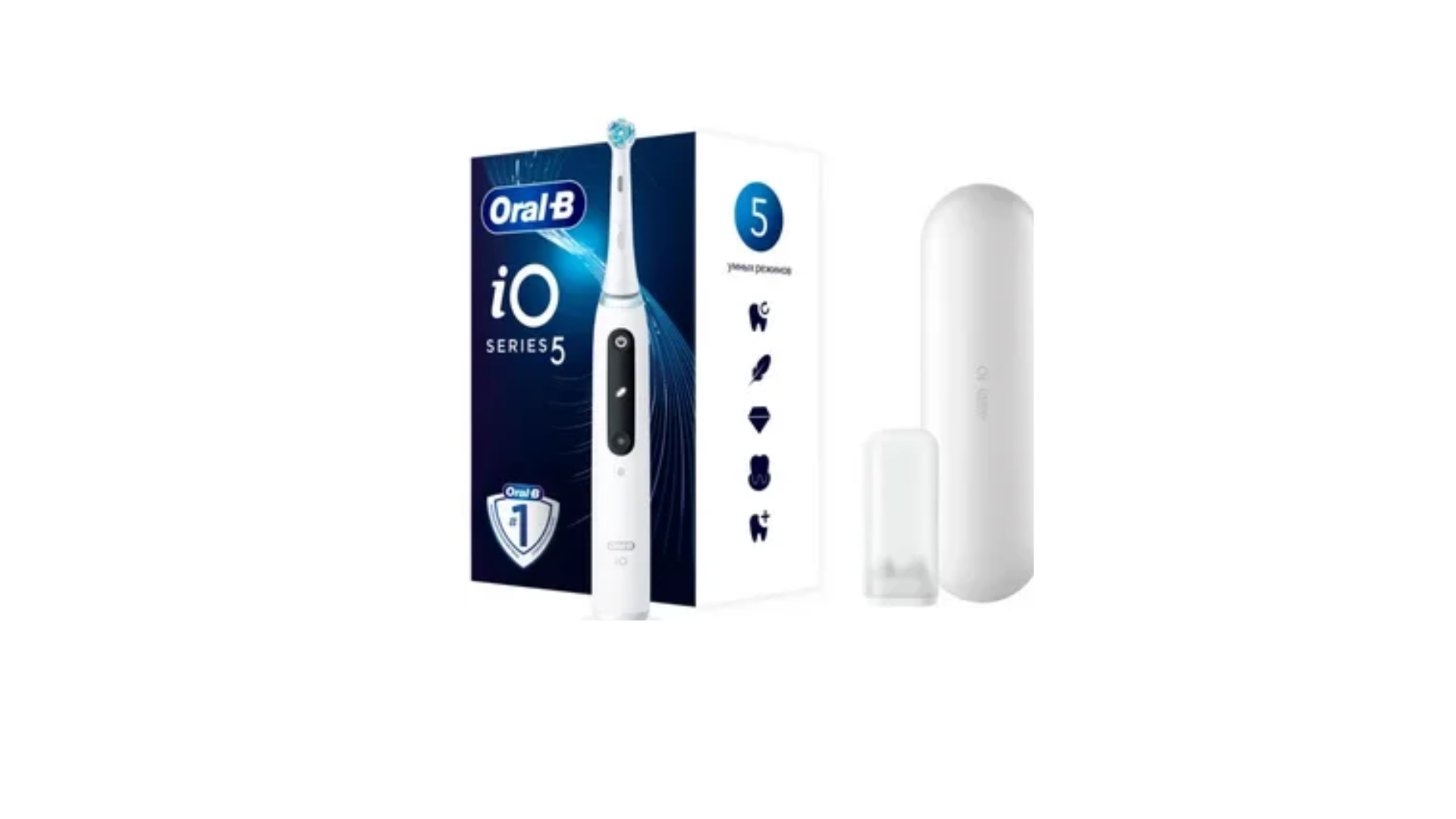
A rechargeable electric toothbrush uses a motorized brush head that oscillates, rotates, or vibrates at high frequency typically 7,600 to 48,000 strokes per minute, depending on the technology. Unlike a battery powered toothbrush, rechargeable models (like those from Oral-B) are designed for long-term use with replaceable heads and docking stations.
Why Brush with an Electric Toothbrush?
The clinical evidence in favor of electric toothbrushes is compelling. A comprehensive Cochrane review of 56 studies found that electric toothbrushes reduced plaque by 21% more than manual brushing after three months of use, and reduced gingivitis by 11% more. Additional benefits include:
- Consistent motion the brush does the work, reducing technique errors.
- Pressure sensors many models alert you if you’re brushing too hard, protecting gums.
- Built-in timers ensure you brush for the full two minutes.
- Better plaque removal around braces, implants, and crowns.
- Ideal for limited dexterity great for seniors, people with arthritis, or children learning to brush.
🏆 Upgrade Your Brushing Game
Dentists consistently recommend rechargeable electric toothbrushes for superior plaque removal. Check out our top-rated pick on Amazon trusted by millions of users worldwide.🛒 View on Amazon*Affiliate link we may earn a small commission at no extra cost to you.
Using a Rechargeable Electric Toothbrush
Many people make the mistake of using an electric toothbrush the same way they use a manual one actively scrubbing. The correct approach is quite different:
- Apply toothpaste to the brush head before turning it on to avoid splatter.
- Place the brush head on your teeth first, then switch the toothbrush on.
- Let the brush do the work. Guide it slowly from tooth to tooth hold it in place on each tooth for 2–3 seconds rather than moving it rapidly.
- Maintain the 45-degree gumline angle just as you would with a manual toothbrush.
- Move through all four quadrants systematically, covering outer, inner, and chewing surfaces.
- Turn it off before removing from your mouth to avoid flicking toothpaste.
Built-In Two-Minute Timers
Most rechargeable electric toothbrushes feature a Quad Pacer or interval timer that pulses or pauses every 30 seconds to signal when to move to the next quadrant. This takes all the guesswork out of timing and ensures every area of your mouth receives equal attention. After exactly two minutes, the brush will stop or signal that you’re done — a small but game-changing feature for consistent oral hygiene.
Positioning the Rechargeable Toothbrush
The key difference in positioning between manual and electric brushes is letting the oscillation or rotation work for you:
- Hold the brush at a 45-degree angle to the gumline, just as with a manual brush.
- Use light pressure only if the bristles are flattening against the tooth, you’re pressing too hard. Many models have a red indicator light for this.
- Move slowly and deliberately from tooth to tooth; the brush head’s rotation covers the cleaning motion.
- Don’t forget the gumline and back molars the most commonly missed areas.
Manual vs. Electric Toothbrush — Quick Comparison
| Feature | Manual Toothbrush | Rechargeable Electric |
|---|---|---|
| Plaque Removal | Good (technique-dependent) | ✔ Superior (up to 21% more) |
| Built-in Timer | ✘ No | ✔ Yes (2-min + quadrant alerts) |
| Pressure Sensor | ✘ No | ✔ Most models |
| Good for Braces | Moderate | ✔ Excellent |
| Cost | $2–$15 | $30–$200 (long-term value) |
| Travel-Friendly | ✔ Very easy | Good (with travel case) |
| Brush Head Replacement | Every 3–4 months | Every 3–4 months (heads only) |
⚡ Ready to Switch to Electric?
An electric toothbrush is one of the best investments you can make for your long-term dental health. See our recommended model on Amazon with thousands of 5 star reviews from verified buyers.🛒 Shop the Best Electric Toothbrush*Affiliate link we may earn a small commission at no extra cost to you.
Frequently Asked Questions
How long should you brush your teeth?+
Dentists recommend brushing for a full two minutes, twice a day. Split your mouth into four quadrants and spend 30 seconds on each. Most people drastically underestimate how long they brush a timer or electric toothbrush with a built-in pacer eliminates the guesswork.
Should you brush your tongue?+
How often should you replace your toothbrush?
Is an electric toothbrush better than a manual one?
What is the correct angle to brush teeth?
How do I prevent cavities naturally?
How to brush teeth properly with braces?