Natural At Home Remedies for Fast Migraine Relief
MIGRAINE
That sudden, throbbing pain starts right behind your eyes, the room gets entirely too bright, and even the quietest sounds feel like a hammer against your skull. If you are dealing with a tough migraine attack at home right now, you want solutions that work quickly without always having to rely on heavy medication. Finding relief doesn’t have to be complicated. By combining targeted thermal therapy, soothing essential oils, and simple everyday adjustments, you can ease those intense symptoms naturally and get back to your day.
How to Calm a Migraine Attack Quickly at Home
A migraine attack is a neurological event marked by severe, throbbing head pain, light and sound sensitivity, and sometimes nausea. Managing an acute episode at home involves using simple, non pharmacological strategies like cold compresses, hydration, and resting in a dark, quiet room to calm your nervous system.
When a migraine hits, your cranial nerves and blood vessels experience a sudden inflammatory response. Acting fast with the right at home routine can significantly reduce the duration and intensity of your discomfort.
1. Create a Dark, Quiet Sanctuary
The moment an aura or head pain begins, remove yourself from bright screens, overhead fluorescent lighting, and noisy rooms.
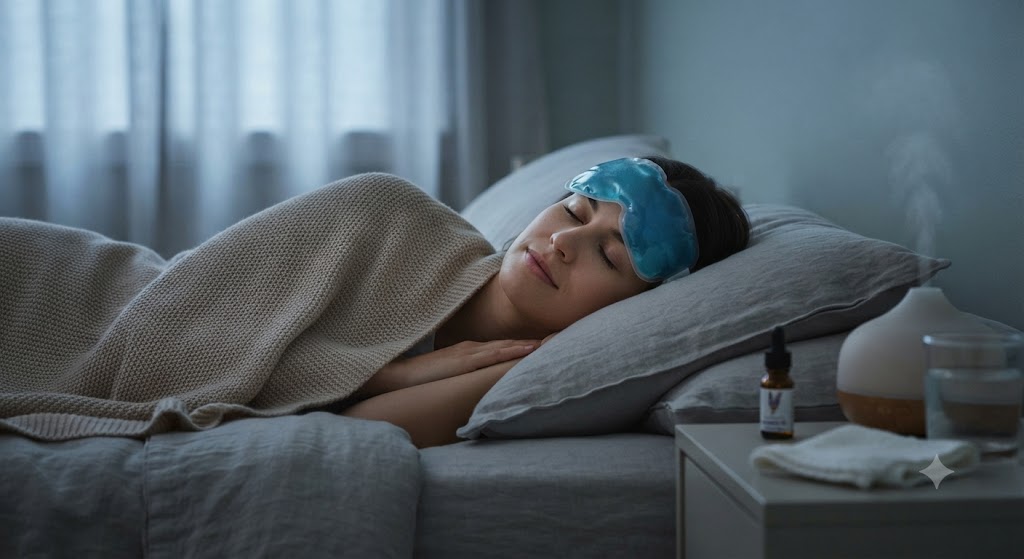
- Dim the lights: Lower your blinds or turn off bright lights immediately.
- Use an eye mask: A soft sleep mask or earplugs can block out remaining sensory triggers that worsen pain perception.
- Rest quietly: Give your nervous system a solid 30 to 60 minutes to reset in absolute peace.
2. Apply a Cold Compress or Ice Pack
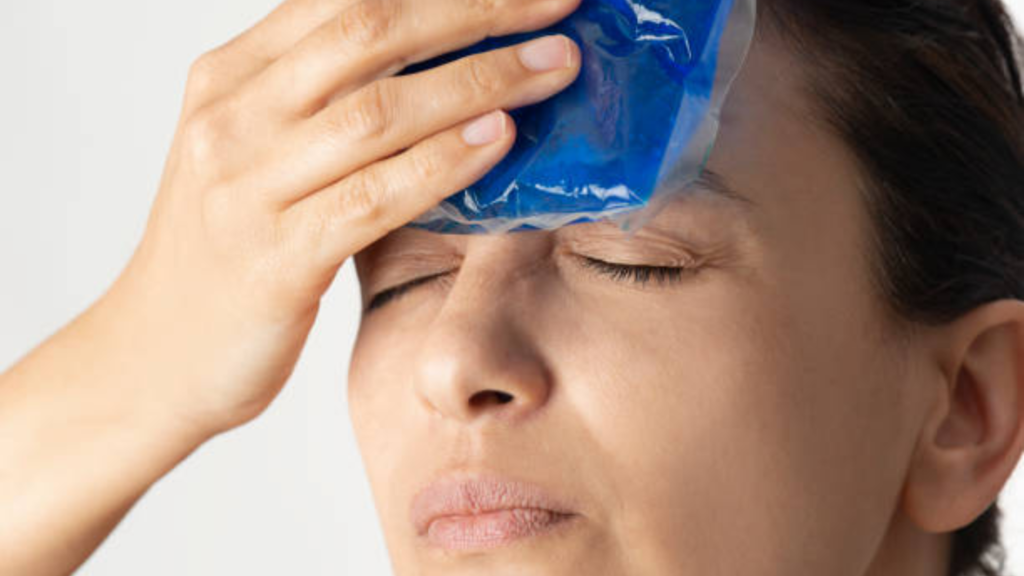
Thermal therapy is one of the quickest ways to numb acute pain and reduce local inflammation.
- Cold application: Wrap an ice pack or a cold gel eye mask in a thin towel and place it gently across your forehead, temples, or the back of your neck. The cold helps constrict blood vessels and dulls pain signals.
- Warm alternatives: If you notice tight knots in your neck and shoulders contributing to your headache, a warm heating pad can help relax those stiff muscles.
3. Hydrate and Sip Water Slowly
Dehydration is a very common trigger for severe headaches. As soon as a migraine starts, drink a large glass of cool water. Sipping water slowly helps stabilize your body, especially if nausea has made it difficult to eat or drink normally.
4. Use Essential Oils for Aromatherapy
Aromatherapy offers a natural, drug-free way to take the sharp edge off mild-to-moderate head pain.
- Peppermint oil: Mix a few drops of pure peppermint essential oil with a safe carrier oil like coconut or almond oil, then gently massage it into your temples and the back of your neck. Its cooling menthol provides instant relief.
- Lavender oil: Inhaling pure lavender essential oil or using a bedside diffuser can help lower stress levels and soothe tension.
5. Sip Soothing Herbal Teas
Nature provides comforting ingredients that calm both your stomach and your nerves.
- Ginger tea: If your migraine comes with wave after wave of nausea, brewing a warm cup of fresh ginger tea can settle your digestion and offer natural anti-inflammatory benefits.
- Magnesium support: Ensuring you get enough magnesium through diet or daily supplements can help support long-term neurological health.
Simple Lifestyle Habits for Long Term Prevention
While quick remedies help during an acute attack, building sustainable daily habits is the best way to reduce how often migraines happen.
- Keep a Migraine Diary: Track your daily patterns, sleep quality, weather shifts, and potential food triggers such as aged cheeses or processed meats to identify what sets off your headaches.
- Maintain Consistent Sleep Schedules: Erratic sleep habits are a major trigger for chronic head pain. Aim for regular bedtimes and wake-up times.
- Incorporate Gentle Stretching: Low-impact movement like restorative yoga or deep breathing exercises helps manage everyday stress before it manifests as physical tension.
When to Seek Medical Attention
Most migraines can be managed safely at home, but certain warning signs require immediate professional care. Consult a doctor or visit urgent care if you experience:
- A sudden, severe “thunderclap” headache unlike anything you have felt before.
- Head pain accompanied by a high fever, stiff neck, or confusion.
- Unilateral numbness, weakness, slurred speech, or sudden vision changes.
FAQ
What are the best natural home remedies for migraine pain?
The most effective natural home remedies include resting in a dark and quiet room, applying a cold compress to your forehead or neck, drinking plenty of water, using peppermint or lavender essential oils, and sipping soothing ginger tea.
How can I stop a migraine without medication?
You can naturally ease a migraine without medication by removing sensory triggers, practicing deep breathing exercises, utilizing ice packs for thermal relief, and gently massaging your temples and the base of your skull.
What lifestyle changes help prevent frequent headaches?
Preventing frequent migraines involves keeping a consistent sleep schedule, managing stress through mindful breathing or yoga, identifying dietary triggers, and maintaining a detailed migraine diary to track patterns over time.
Conclusion
Managing migraines at home doesn’t have to feel overwhelming. By combining fast, natural interventions like cold therapy, aromatherapy, and sensory rest with proactive daily habits, you can take control of your comfort. Listen to your body, find the remedies that work best for you, and always consult your doctor for a personalized care plan.