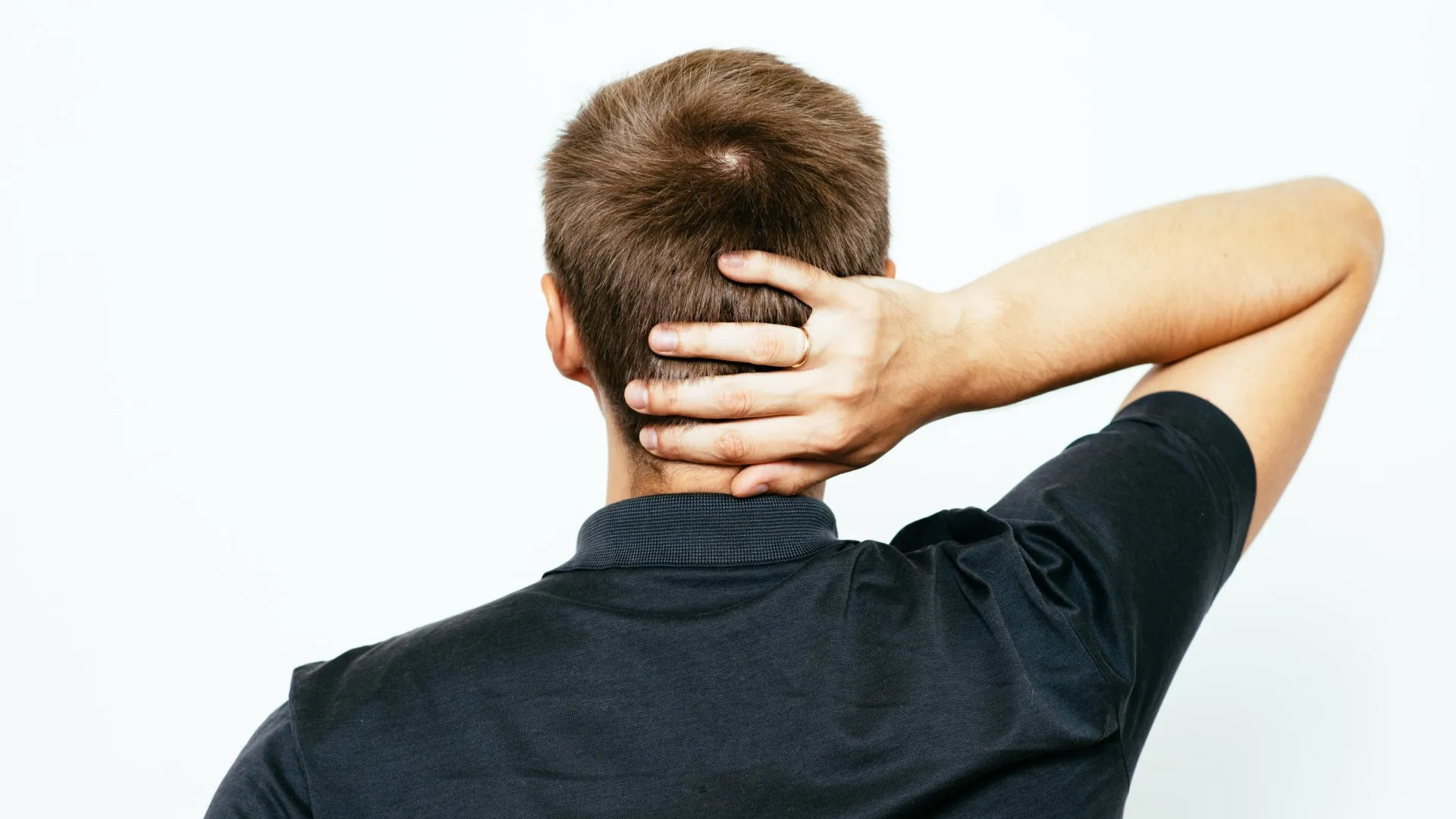
6 Causes of Pain in the Back of the Head
Introduction
Have you ever felt a throbbing pain in the back of your head, a dull ache near the base of your skull, or a sharp, shooting sensation behind your ears? Pain in the back of the head can range from mildly annoying to severely disabling, making it difficult to concentrate, work, or even sleep.
While many headaches are harmless and resolve on their own, persistent or severe pain at the back of the head may signal an underlying condition that requires medical attention. The discomfort can originate from muscles, nerves, blood vessels, or structures in the cervical spine. Understanding the location and pattern of your pain is often the first step toward identifying its cause.
In this comprehensive guide, we’ll explore the six most common causes of pain in the back of the head, explain their symptoms, discuss effective treatment options, and help you recognize when it’s time to seek emergency medical care.
Whether your headache feels like a band squeezing your head, a pounding sensation in your skull, or a shooting pain behind the ears, this article will help you better understand what’s happening and what you can do about it.
Quick Answer: What Causes Pain in the Back of the Head?
Pain in the back of the head is most commonly caused by:
- Tension headaches
- Migraines
- Exertion headaches
- Cervicogenic headaches
- Low-pressure headaches caused by cerebrospinal fluid (CSF) leaks
- Occipital neuralgia
Other possible causes include poor posture, neck injuries, cervical arthritis, dehydration, medication-overuse headaches, and, in rare cases, life-threatening medical emergencies such as stroke or brain hemorrhage.
Fortunately, many headaches improve with proper diagnosis, lifestyle changes, physical therapy, stress management, or medications recommended by a healthcare professional.
Why Does the Back of Your Head Hurt?
The back of your head contains several important structures that can become irritated or inflamed, including:
- Neck muscles
- Cervical vertebrae
- Occipital nerves
- Blood vessels
- Ligaments
- Spinal joints
Pain may start in one of these structures and radiate toward the scalp, shoulders, temples, or even behind the eyes.
Common accompanying symptoms include:
- Neck stiffness
- Reduced range of motion
- Throbbing pain
- Burning sensation
- Tingling
- Light sensitivity
- Noise sensitivity
- Nausea
- Dizziness
- Ringing in the ears (tinnitus)
Understanding the type of pain you’re experiencing helps narrow down the possible diagnosis.
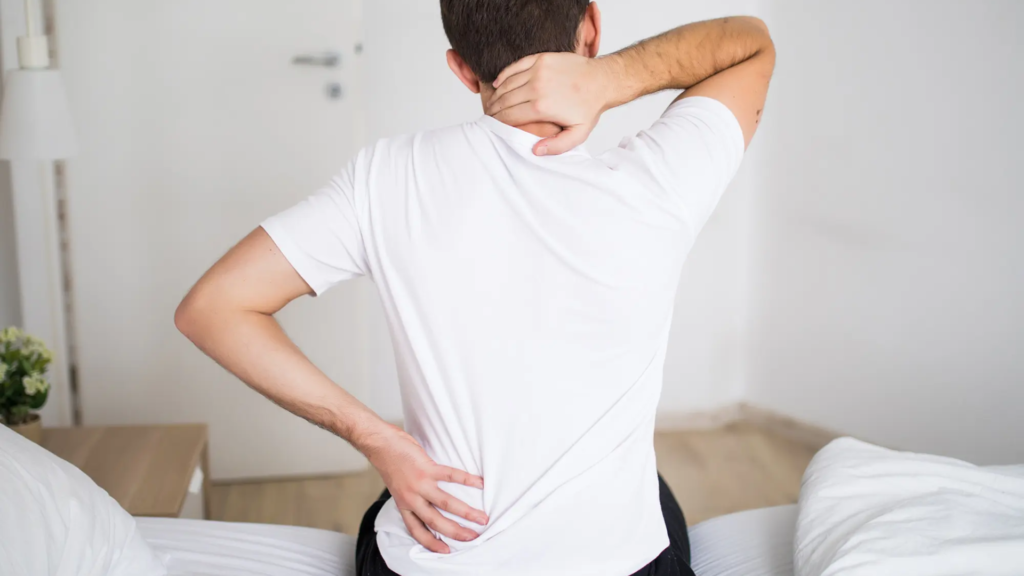
1. Tension Headache
What Is a Tension Headache?
A tension headache is the most common type of headache worldwide. It develops when the muscles around the neck, shoulders, scalp, and jaw become tight or strained.
Unlike migraines, tension headaches usually don’t cause severe nausea or visual disturbances. Instead, they create a persistent feeling of pressure or tightness that many people describe as wearing a tight band around the head.
Pain frequently begins in the neck or shoulders before spreading to the back of the head.
Symptoms of a Tension Headache
Typical symptoms include:
- Dull aching pain
- Pressure around both sides of the head
- Pain in the back of the neck and head
- Tight scalp muscles
- Tenderness in the neck and shoulders
- Mild sensitivity to light or noise
- Headache worse toward the afternoon
- Difficulty concentrating
Many people also notice that stress causes their symptoms to worsen.
Common Causes
Tension headaches are often triggered by:
- Emotional stress
- Anxiety
- Depression
- Poor posture
- Long hours at a computer
- Eye strain
- Lack of sleep
- Skipping meals
- Dehydration
- Muscle tension
- Working without breaks
People who spend most of the day sitting at a desk are particularly susceptible.
Risk Factors
You may be more likely to experience tension headaches if you:
- Work long office hours
- Frequently use digital devices
- Have chronic neck pain
- Sleep poorly
- Experience high stress levels
- Clench your jaw
- Grind your teeth while sleeping
How Is It Diagnosed?
Doctors typically diagnose tension headaches by:
- Reviewing your medical history
- Discussing your symptoms
- Performing a neurological examination
- Checking neck mobility
- Identifying muscle tenderness
Imaging tests such as CT scans or MRI scans are generally unnecessary unless symptoms suggest another condition.
Treatment
Treatment may include:
Home Remedies
- Rest in a quiet room
- Drink plenty of water
- Apply a warm compress to the neck
- Use a heating pad
- Gentle neck stretches
- Improve posture
- Practice relaxation techniques
- Get enough sleep
Medications
Over-the-counter pain relievers may help, including:
- Acetaminophen
- Ibuprofen
- Naproxen
However, taking pain relievers more than 10–15 days per month may lead to medication-overuse headaches (rebound headaches).
Prevention Tips
Reduce your risk by:
- Exercising regularly
- Taking screen breaks
- Stretching your neck every hour
- Staying hydrated
- Managing stress
- Using ergonomic furniture
- Maintaining good posture
- Sleeping 7–9 hours nightly
2. Migraine
What Is a Migraine?
A migraine is far more than a simple headache. It is a complex neurological disorder that can produce intense, throbbing pain, often affecting one side of the head but sometimes extending to the back of the head and neck.
Some people experience migraines with an aura, which may include flashing lights, blind spots, tingling sensations, or difficulty speaking before the headache begins.
Migraines can last anywhere from four hours to three days if left untreated.
Symptoms
Migraine symptoms often include:
- Pulsating headache
- Throbbing pain in the back of the head
- Pain behind one eye
- Neck pain
- Sensitivity to light
- Sensitivity to noise
- Sensitivity to smells
- Nausea
- Vomiting
- Dizziness
- Blurred vision
- Fatigue
- Difficulty concentrating
Many people prefer to rest in a dark, quiet room during a migraine attack.
Migraine Triggers
Common triggers include:
- Stress
- Hormonal changes
- Bright lights
- Loud noises
- Alcohol
- Chocolate
- Caffeine withdrawal
- Lack of sleep
- Oversleeping
- Dehydration
- Skipping meals
- Strong odors
- Weather changes
Keeping a headache diary can help identify personal triggers.
Migraine Aura
About one-third of migraine sufferers experience an aura before the headache begins.
Aura symptoms may include:
- Flashing lights
- Zigzag lines
- Temporary vision loss
- Numbness
- Tingling
- Speech difficulties
- Weakness
These symptoms usually last between 20 and 60 minutes.
Treatment
Treatment depends on the severity and frequency of migraines.
Acute Treatments
Healthcare providers may recommend:
- NSAIDs
- Acetaminophen
- Triptans
- CGRP blockers
- Anti-nausea medications
Preventive Treatments
People with frequent migraines may benefit from:
- Blood pressure medications
- Anti-seizure medications
- Antidepressants
- Botox injections
- CGRP preventive therapies
Lifestyle Changes
Reducing migraine frequency often involves:
- Regular exercise
- Healthy sleep habits
- Consistent meal schedules
- Hydration
- Stress reduction
- Limiting alcohol
- Reducing caffeine fluctuations
- Practicing yoga or meditation
3. Exertion Headache
What Is an Exertion Headache?
An exertion headache, also known as a primary exercise headache, occurs during or shortly after intense physical activity.
The headache usually develops suddenly and may affect both sides of the head, although many people report pain concentrated in the back of the head.
Episodes can last from a few minutes to several hours.
Activities That May Trigger It
Common triggers include:
- Heavy weightlifting
- Running
- High-intensity interval training
- Swimming
- Tennis
- Rowing
- Sexual activity
- Coughing
- Sneezing
- Straining during bowel movements
People exercising in hot weather or at high altitudes are at increased risk.
Symptoms
Typical symptoms include:
- Pulsating pain
- Pounding sensation in the skull
- Pain during strenuous activity
- Headache after exercise
- Pain worsened by coughing
- Neck discomfort
- Temporary dizziness
Primary exertion headaches are usually harmless, but they can resemble more serious conditions.
When Should You Worry?
Seek immediate medical evaluation if an exercise-related headache:
- Starts suddenly and reaches maximum intensity within seconds
- Is the worst headache you’ve ever experienced
- Occurs with fainting
- Causes weakness or numbness
- Leads to confusion
- Causes vision changes
- Is accompanied by vomiting
- Follows a head injury
These symptoms may indicate a medical emergency such as bleeding around the brain rather than a benign exertion headache.
Treatment
Treatment depends on the underlying cause.
Your healthcare provider may recommend:
- Rest
- Hydration
- Cooling the body
- NSAIDs before exercise (only if medically appropriate)
- Gradually increasing workout intensity
- Avoiding exercise during extreme heat
- Proper warm-ups before vigorous activity
If exertion headaches become frequent, additional testing may be needed to rule out underlying neurological condition.
4. Cervicogenic Headache
What Is a Cervicogenic Headache?
A cervicogenic headache is a secondary headache caused by problems in the cervical spine (neck) rather than the brain itself. The pain typically starts in the neck or at the base of the skull and radiates to the back of the head, forehead, temples, or behind one eye.
Unlike migraines or tension headaches, cervicogenic headaches usually result from structural issues involving the neck, such as joint dysfunction, muscle strain, or nerve irritation.
Many people mistake this type of headache for a migraine because the symptoms can overlap.
Symptoms of a Cervicogenic Headache
Common symptoms include:
- Constant aching in the upper neck
- Pain at the base of the skull radiating forward
- Headache on one side of the head
- Neck stiffness and reduced range of motion
- Pain that worsens when turning the head
- Tenderness in the neck and shoulders
- Pain after applying pressure to the back of the head
- Discomfort that starts after sitting for long periods
- Pain extending to the forehead, temple, or eye
Some people also experience mild nausea or dizziness, although these symptoms are generally less severe than those associated with migraines.
What Causes a Cervicogenic Headache?
Several conditions affecting the neck can trigger cervicogenic headaches, including:
- Poor posture
- Whiplash injuries
- Cervical disc disease
- Osteoarthritis of the neck
- Cervical spine degeneration
- Vertebrae compression
- Pinched spinal nerves
- Muscle tightness
- Repetitive neck movements
- Sleeping in an awkward position
People who spend long hours working on computers or looking down at mobile devices are at increased risk.
Who Is Most at Risk?
You may be more likely to develop cervicogenic headaches if you:
- Work at a desk for extended periods
- Have chronic neck pain
- Have experienced a previous neck injury
- Frequently use smartphones or tablets
- Have arthritis affecting the cervical spine
- Perform repetitive overhead activities
Diagnosis
A healthcare provider may diagnose a cervicogenic headache through:
- Medical history review
- Physical examination
- Neck mobility assessment
- Neurological examination
- Imaging studies such as MRI or CT scans if structural problems are suspected
Sometimes, diagnostic nerve blocks are used to confirm the source of pain.
Treatment Options
Treatment focuses on addressing the underlying neck problem.
Conservative Treatments
Many people improve with:
- Physical therapy exercises
- Neck stretching
- Posture correction
- Ergonomic workstation adjustments
- Heat therapy
- Massage therapy
- Activity modification
Medications
A healthcare provider may recommend:
- Nonsteroidal anti-inflammatory drugs (NSAIDs)
- Muscle relaxants
- Prescription pain medications (when appropriate)
Advanced Treatments
For persistent symptoms, options may include:
- Steroid injections for neck pain
- Cervical nerve blocks
- Radiofrequency ablation
- Surgery (rarely needed)
Prevention Tips
Lower your risk by:
- Maintaining proper posture
- Strengthening neck and shoulder muscles
- Taking regular breaks from screen time
- Using an ergonomic chair and monitor setup
- Sleeping with adequate neck support
- Avoiding repetitive neck strain
5. Low-Pressure Headache (Spinal Headache)
What Is a Low-Pressure Headache?
A low-pressure headache, also called a spontaneous intracranial hypotension headache, occurs when cerebrospinal fluid (CSF) leaks from around the brain or spinal cord. Because CSF cushions the brain, a leak reduces this protective support, causing the brain to sag slightly when a person is upright.
The result is a headache that is usually much worse when sitting or standing and often improves after lying down.
This condition may develop after:
- Spinal anesthesia
- Lumbar puncture (spinal tap)
- Spinal surgery
- Trauma
- A spontaneous CSF leak
Symptoms
Symptoms commonly include:
- Severe headache at the back of the head
- Headache worse when standing
- Relief when lying flat
- Neck pain
- Ringing in the ears (tinnitus)
- Dizziness
- Double vision
- Nausea
- Sensitivity to light
- Difficulty concentrating
- Fatigue
In some cases, symptoms develop gradually over several days.
What Causes a CSF Leak?
A cerebrospinal fluid leak can result from:
- Medical procedures involving the spine
- Head or neck trauma
- Connective tissue disorders
- Bone spurs damaging the spinal membrane
- Spontaneous tears in the dura (the membrane surrounding the brain and spinal cord)
Sometimes, no clear cause is identified.
Diagnosis
Doctors may use several tests to confirm a CSF leak, including:
- MRI of the brain or spine
- CT myelography
- Radioisotope cisternography (in specialized cases)
- Clinical assessment of positional symptoms
Early diagnosis is important because untreated leaks can lead to ongoing symptoms and complications.
Treatment
Treatment depends on the severity of the leak.
Conservative Care
Mild cases may improve with:
- Bed rest
- Increased fluid intake
- Caffeine (if recommended by a healthcare provider)
- Avoiding heavy lifting
- Limiting strenuous activity
Epidural Blood Patch
If symptoms persist, an epidural blood patch is often the most effective treatment. During this procedure, a small amount of the patient’s blood is injected near the leak, helping seal the opening and restore normal CSF pressure.
Surgery
Persistent or complex leaks may require surgical repair.
6. Occipital Neuralgia
What Is Occipital Neuralgia?
Occipital neuralgia is a condition caused by irritation or compression of the occipital nerves, which run from the upper spinal cord through the scalp. When these nerves become inflamed, they can produce sudden, intense bursts of pain.
Although uncommon, occipital neuralgia is one of the most distinctive causes of pain in the back of the head.
Symptoms
Typical symptoms include:
- Sharp, shooting pain behind the ears
- Electric shock-like sensations
- Burning pain at the base of the skull
- Continuous aching between attacks
- Pain on one or both sides of the head
- Scalp tenderness
- Pain when brushing hair
- Pain after touching the back of the head
- Sensitivity to light in some cases
Episodes may last only a few seconds, but repeated attacks can continue throughout the day.
Causes
Occipital neuralgia may develop because of:
- Neck injuries
- Arthritis affecting the upper cervical spine
- Muscle tightness
- Diabetes-related nerve damage
- Tumors (rare)
- Infections
- Chronic poor posture
- Cervical spine disorders
In many cases, the exact cause cannot be identified.
Diagnosis
Diagnosis usually involves:
- Medical history
- Physical examination
- Pressure over the occipital nerves to reproduce pain
- MRI or CT scan if another condition is suspected
- Diagnostic nerve block
Treatment
Medications
Treatment may include:
- NSAIDs
- Muscle relaxants
- Anticonvulsant medications
- Antidepressants for nerve pain
Physical Therapy
Many patients benefit from:
- Gentle stretching
- Posture correction
- Heat therapy
- Massage
- Strengthening exercises
Minimally Invasive Procedures
If symptoms continue despite conservative treatment, options include:
- Occipital nerve block injections
- Steroid injections
- Radiofrequency procedures
- Peripheral nerve stimulation
Surgery
In rare, severe cases that do not respond to other treatments, nerve decompression surgery may be considered.
Treatment Options for Pain in the Back of the Head
Treatment depends on the underlying cause, but common approaches include:
Home Remedies
- Get adequate rest.
- Stay hydrated.
- Apply a warm or cool compress.
- Practice stress management techniques.
- Improve posture.
- Stretch your neck and shoulders regularly.
- Limit screen time and take frequent breaks.
- Avoid skipping meals.
- Maintain a consistent sleep schedule.
Medications
Your healthcare provider may recommend:
- Acetaminophen
- Ibuprofen
- Naproxen
- Prescription migraine medications
- Muscle relaxants
- Anti-nausea medications
- CGRP inhibitors for migraine prevention
Avoid frequent use of pain relievers, as this may lead to medication-overuse (rebound) headaches.
Physical Therapy
A personalized physical therapy program can improve:
- Neck flexibility
- Muscle strength
- Posture
- Joint mobility
- Overall function
Lifestyle Changes
Simple daily habits can reduce headache frequency:
- Exercise regularly.
- Drink enough water.
- Eat balanced meals.
- Manage stress through mindfulness or yoga.
- Limit excessive caffeine and alcohol.
- Maintain a healthy weight.
- Get quality sleep every night.
Should You Be Concerned?
Most headaches are not life-threatening, but some require immediate medical attention.
Seek Emergency Medical Care Immediately If You Experience:
- The worst headache of your life
- A sudden thunderclap headache that reaches maximum intensity within seconds
- Headache after a serious head injury
- Confusion or difficulty speaking
- Weakness or numbness on one side of the body
- Facial drooping
- Loss of vision or double vision
- Seizures
- Fever with a stiff neck
- Persistent vomiting
- Difficulty walking or maintaining balance
- Headache accompanied by loss of consciousness
- Headaches that continue to worsen over several days or weeks
These symptoms may indicate a serious condition such as a stroke, brain hemorrhage, meningitis, or another neurological emergency and should never be ignored.
How to Decode Headache Pain by Its Location
Many people assume that all headaches are the same, but the location of your pain can provide valuable clues about its cause. A headache affecting the forehead may have different triggers than one centered at the back of the head or behind a single eye.
Although the location alone cannot diagnose a headache, combining it with symptoms such as nausea, fever, neck stiffness, or vision changes helps healthcare providers determine whether the headache is primary (not caused by another illness) or secondary (a symptom of an underlying medical condition).
Understanding these patterns can help you recognize when home treatment may be enough and when you should seek medical care.
Key Takeaways
- Headache location provides helpful clues but is not enough to make a diagnosis.
- Primary headaches include tension headaches, migraines, cluster headaches, and exercise headaches.
- Secondary headaches result from another medical condition, such as infection, dehydration, high blood pressure, meningitis, or bleeding around the brain.
- A sudden, severe headache or one accompanied by neurological symptoms requires immediate medical attention.
- Frequent headaches that interfere with daily life should be evaluated by a healthcare professional.
Primary vs. Secondary Headaches
Headaches are generally divided into two major categories.
Primary Headaches
Primary headaches occur independently and are not caused by another disease. The headache itself is the condition.
Common primary headaches include:
- Tension headaches
- Migraines
- Cluster headaches
- Primary exercise (exertion) headaches
- Hemicrania continua
- Paroxysmal hemicrania
These headaches may be triggered by:
- Stress
- Lack of sleep
- Hormonal changes
- Certain foods
- Bright lights
- Strong odors
- Dehydration
- Excessive screen time
- Muscle tension
Although painful, primary headaches are usually not life-threatening.
Secondary Headaches
Secondary headaches develop because of another medical condition.
Possible causes include:
- Sinus infections
- Dehydration
- High fever
- Medication-overuse headaches (MOH)
- Brain tumors
- Stroke
- Brain aneurysm
- Meningitis
- Giant cell arteritis (GCA)
- Cervical spine disorders
- High or low cerebrospinal fluid pressure
- Traumatic brain injury
Treating the underlying condition often relieves the headache.
What Causes Headaches All Over the Head?
A headache affecting the entire head often feels like pressure wrapping around the skull rather than pain in a single location.
Some people describe it as wearing a tight helmet or having a band squeezing the head.
Primary Causes
Tension Headache
This is the most common cause of generalized head pain.
Symptoms include:
- Pressure on both sides of the head
- Tight neck muscles
- Shoulder discomfort
- Mild to moderate pain
- Headache worse toward the afternoon
Stress, poor posture, and prolonged computer use frequently contribute to these headaches.
Chronic Migraine
Although migraines often affect one side of the head, chronic migraines can spread across the entire head.
Symptoms may include:
- Pulsating pain
- Sensitivity to light and sound
- Nausea
- Vomiting
- Fatigue
- Difficulty concentrating
Medication-Overuse Headache (Rebound Headache)
People who take pain relievers more than 10 to 15 days each month may develop medication-overuse headaches.
These headaches often:
- Occur almost daily
- Improve briefly after taking medication
- Return once the medication wears off
- Become increasingly frequent over time
Preventing rebound headaches usually requires reducing the overuse of pain medications under medical supervision.
Secondary Causes
Dehydration
Not drinking enough fluids can cause headaches affecting the entire head.
Signs of dehydration include:
- Extreme thirst
- Dark-colored urine
- Dry mouth
- Dizziness
- Fatigue
- Decreased urination
Drinking water and using oral rehydration solutions can often improve mild dehydration headaches.
Viral Illnesses
Influenza, COVID-19, and other viral infections commonly produce headaches along with:
- Fever
- Chills
- Muscle aches
- Fatigue
- Nasal congestion
Meningitis
Meningitis is an inflammation of the membranes surrounding the brain and spinal cord.
Symptoms include:
- Severe headache
- Fever
- Stiff neck
- Confusion
- Sensitivity to light
- Vomiting
This is a medical emergency requiring immediate treatment.
Does High or Low Blood Pressure Cause Headaches?
Many people assume that any headache is caused by blood pressure, but this isn’t always true.
High Blood Pressure
Most people with high blood pressure do not experience headaches.
However, an extremely elevated blood pressure—known as a hypertensive crisis—can cause:
- Severe headache
- Blurred vision
- Chest pain
- Shortness of breath
- Confusion
- Nosebleeds
This situation requires emergency medical care.
Low Blood Pressure
Low blood pressure can also contribute to headaches, especially when associated with:
- Dehydration
- Blood loss
- Certain medications
- Standing up too quickly
Symptoms may include:
- Lightheadedness
- Fainting
- Blurred vision
- Weakness
- Nausea
Treating the underlying cause usually improves symptoms.
Headaches on One Side of the Head
Pain affecting only one side of the head can point toward several different headache disorders.
Although one-sided pain is commonly linked to migraines, other conditions should also be considered.
Primary Causes
Migraine
Migraines frequently produce:
- One-sided head pain
- Throbbing or pulsating pain
- Sensitivity to light
- Sensitivity to sound
- Nausea
- Vomiting
- Visual aura
- Neck pain
Some migraine attacks alternate sides from one episode to the next.
Cluster Headache
Cluster headaches are among the most painful headache disorders.
Symptoms often include:
- Severe pain behind one eye
- Eye redness
- Excessive tearing
- Drooping eyelid
- Facial flushing
- Sweating
- Nasal congestion
- Restlessness
Attacks typically last between 15 minutes and 3 hours and often occur at the same time each day during a cluster period.
Hemicrania Continua
Hemicrania continua is a rare headache disorder characterized by:
- Continuous one-sided pain
- Periodic worsening of symptoms
- Eye watering
- Nasal congestion
- Sensitivity to light
Unlike migraines, this condition responds dramatically to the prescription medication indomethacin.
Paroxysmal Hemicrania
This uncommon headache disorder causes:
- Short but intense attacks
- Pain around one eye
- Facial sweating
- Eye redness
- Nasal congestion
Episodes may occur multiple times each day.
Secondary Causes
Giant Cell Arteritis (Temporal Arteritis)
This inflammatory condition usually affects adults over age 50.
Symptoms include:
- Severe temple pain
- Scalp tenderness
- Jaw pain while chewing
- Blurred vision
- Fever
- Unintended weight loss
- Fatigue
Without treatment, giant cell arteritis can lead to permanent vision loss.
Temporomandibular Joint (TMJ) Disorder
Problems affecting the jaw joint may cause headaches near the temple and ear.
Symptoms include:
- Jaw clicking
- Jaw pain
- Ear discomfort
- Facial pain
- Difficulty chewing
Stress-related teeth grinding often contributes to TMJ disorders.
Dental Problems
Abscesses, tooth infections, and impacted wisdom teeth can also refer pain to one side of the head.
Stroke
A headache accompanied by:
- Facial drooping
- Weakness
- Slurred speech
- Vision loss
- Confusion
requires immediate emergency medical care.
Tips for Managing One-Sided Headaches
Depending on the cause, you may benefit from:
- Drinking plenty of water
- Resting in a dark, quiet room
- Applying a cool compress
- Taking prescribed medications as directed
- Avoiding known migraine triggers
- Maintaining regular sleep habits
- Managing stress through relaxation techniques
If one-sided headaches become frequent, severe, or change in pattern, schedule an evaluation with a healthcare professional.
How to Decode Headache Pain by Its Location (Continued)
In the previous section, we explored headaches affecting the entire head and one side of the head. Now, let’s examine headaches based on other common pain locations, discuss treatment options, identify emergency warning signs, and conclude with practical prevention strategies.
Headaches at the Front of the Head
Pain across the forehead or behind the eyes is one of the most common headache complaints. While it often results from a tension headache or migraine, it can also be linked to sinus problems, eye strain, or more serious medical conditions.
Primary Causes
Tension Headache
A tension headache commonly causes:
- Pressure across the forehead
- Tightness around the temples
- Mild to moderate pain
- Neck and shoulder muscle tension
- Pain that worsens after prolonged screen use
Migraine
Migraines may begin in the forehead before spreading to other areas.
Common symptoms include:
- Throbbing pain
- Nausea
- Vomiting
- Sensitivity to light and sound
- Visual aura
- Fatigue
Common Headache Triggers
Several everyday habits can trigger frontal headaches:
- Stress
- Poor sleep
- Skipping meals
- Dehydration
- Excessive caffeine
- Caffeine withdrawal
- Bright lights
- Strong odors
- Long hours of screen time
- Poor posture
- Alcohol consumption
Identifying your personal triggers with a headache diary can help reduce future episodes.
Secondary Causes
Headaches at the front of the head may also result from:
- Sinus infections
- Seasonal allergies
- Eye strain
- Dental infections
- High fever
- Viral illnesses
- Brain infections (rare)
If forehead pain is accompanied by fever, facial swelling, or worsening symptoms, consult a healthcare provider promptly.
Headaches on the Top of the Head
Pain at the top (vertex) of the head can feel unusual and may be difficult to describe. Some people report a sensation of pressure directly on the crown of the head.
Primary Causes
Tension Headache
Tension headaches can extend upward, creating:
- Pressure on the crown
- Tight scalp muscles
- Neck discomfort
- Shoulder stiffness
Migraine
Migraines occasionally affect the top of the head, especially during prolonged attacks.
Secondary Causes
Possible secondary causes include:
- Dehydration
- Medication-overuse headache (MOH)
- Cervical spine disorders
- High fever
- Viral infections
- Rare neurological conditions
Persistent headaches on the top of the head should be evaluated if they continue despite treatment.
Headaches on the Back of the Head
Pain in the back of the head often originates from the neck, muscles, joints, or nerves rather than the brain itself.
Primary Causes
Common primary causes include:
Tension Headache
Typically causes:
- Tight muscles
- Pressure at the base of the skull
- Pain spreading into the shoulders
Migraine
Migraines sometimes produce:
- Throbbing pain in the back of the head
- Neck stiffness
- Nausea
- Sensitivity to light and sound
Primary Exercise Headache
Exercise-induced headaches frequently begin:
- During strenuous activity
- After heavy lifting
- Following intense running
- During coughing or straining
Secondary Causes
Pain at the back of the head may also result from:
- Cervicogenic headache
- Occipital neuralgia
- Cervical arthritis
- Cervical disc disease
- Low-pressure headache (CSF leak)
- Neck injuries
- Poor posture
- Whiplash
- Brain hemorrhage (rare but life-threatening)
Persistent or worsening pain at the back of the head should not be ignored.
Headache and Pain in the Neck
When headaches occur alongside neck pain, both the muscles and cervical spine should be considered.
Primary Causes
Common causes include:
- Tension headaches
- Migraines
- Exercise headaches
Neck stiffness often develops because muscles tighten in response to pain.
Secondary Causes
Serious causes include:
Cervicogenic Headache
Pain begins in the neck before spreading to the head.
Meningitis
Symptoms include:
- Fever
- Severe headache
- Stiff neck
- Confusion
- Vomiting
- Sensitivity to light
This requires immediate emergency treatment.
Cervical Spine Disorders
Conditions such as:
- Arthritis
- Herniated discs
- Degenerative disc disease
- Pinched nerves
may all contribute to headaches and neck pain.
Treatment Options for Different Headache Types
The best treatment depends on the underlying cause. A proper diagnosis is essential, especially for recurring or severe headaches.
1. Home Remedies
Many mild headaches improve with simple self-care measures:
- Rest in a quiet, dark room
- Stay hydrated
- Apply a cool or warm compress
- Perform gentle neck stretches
- Improve posture
- Eat regular, balanced meals
- Limit screen time
- Get adequate sleep
- Practice stress management techniques
2. Over-the-Counter Medications
For occasional headaches, a healthcare provider may recommend:
- Acetaminophen
- Ibuprofen
- Naproxen
- Aspirin (for appropriate adults)
Important: Avoid taking pain relievers too frequently, as regular use may lead to medication-overuse headaches.
3. Prescription Medications
Depending on the diagnosis, treatment may include:
For Migraine
- Triptans
- CGRP inhibitors
- Anti-nausea medications
- Preventive medications
For Nerve Pain
- Muscle relaxants
- Anticonvulsants
- Certain antidepressants
For Inflammatory Conditions
- Corticosteroids
- Targeted anti-inflammatory therapies
Always take prescription medications exactly as directed by your healthcare provider.
4. Physical Therapy
Physical therapy is particularly beneficial for headaches caused by neck problems.
A treatment plan may include:
- Stretching exercises
- Strengthening exercises
- Posture correction
- Manual therapy
- Ergonomic education
5. Lifestyle Changes
Healthy habits can significantly reduce headache frequency.
Consider these strategies:
- Exercise regularly
- Drink enough water each day
- Eat nutritious meals on schedule
- Maintain a healthy weight
- Sleep 7–9 hours each night
- Limit alcohol
- Avoid smoking
- Reduce stress through meditation, yoga, or deep breathing
- Take frequent breaks during computer work
When to Seek Emergency Medical Care
Most headaches are not dangerous, but some symptoms require immediate medical evaluation.
Call Emergency Services Immediately If You Experience:
- The worst headache of your life
- A sudden thunderclap headache
- Headache after a serious fall or head injury
- Weakness on one side of the body
- Difficulty speaking
- Facial drooping
- Loss of consciousness
- Seizures
- Persistent vomiting
- Confusion
- Vision loss or double vision
- Fever with a stiff neck
- Difficulty walking
- New headaches after age 50 with scalp tenderness or jaw pain
- Headache that continues to worsen over days or weeks
These symptoms may indicate a stroke, brain aneurysm, meningitis, severe infection, or another medical emergency.
Frequently Asked Questions (SEO FAQs)
1. What is the most common cause of pain in the back of the head?
Tension headaches are the most common cause. They often result from stress, muscle tension, poor posture, or prolonged screen time.
2. Can poor posture cause headaches?
Yes. Poor posture can strain the neck and shoulder muscles, leading to cervicogenic headaches or tension headaches, especially in people who sit for long periods.
3. Is pain in the back of the head a sign of high blood pressure?
Most people with high blood pressure do not experience headaches. However, a hypertensive crisis can cause severe headache along with vision changes, chest pain, or confusion and requires emergency medical care.
4. When should I worry about a headache?
Seek immediate medical attention if your headache is sudden and severe, follows a head injury, is accompanied by fever, stiff neck, weakness, vision changes, seizures, or confusion.
5. Can dehydration cause headaches?
Yes. Dehydration is a common cause of headaches and may also lead to dizziness, fatigue, dark urine, and dry mouth. Drinking fluids can often relieve mild dehydration headaches.
6. What is occipital neuralgia?
Occipital neuralgia is a nerve condition that causes sharp, electric shock-like pain at the base of the skull due to irritation of the occipital nerves.
7. Are migraines hereditary?
Yes. Genetics play a significant role in migraine risk. People with a family history of migraines are more likely to develop the condition.
8. Can stress trigger headaches?
Absolutely. Chronic stress is one of the leading triggers for tension headaches and migraines. Managing stress through exercise, mindfulness, or relaxation techniques can reduce headache frequency.
9. How can I prevent recurring headaches?
Maintain healthy sleep habits, stay hydrated, eat balanced meals, manage stress, exercise regularly, avoid known triggers, and seek medical advice if headaches become frequent.
10. Can neck arthritis cause headaches?
Yes. Osteoarthritis affecting the cervical spine can contribute to cervicogenic headaches by irritating joints, muscles, and nerves in the neck.
Related Articles for Internal Linking
To strengthen your website’s topical authority, consider linking to related health guides such as:
- How to Lower High Blood Pressure Naturally
- Signs and Symptoms of Dehydration
- Best Sleeping Positions for Neck Pain
- Natural Ways to Relieve Stress
- Foods That May Help Prevent Migraines
- How to Improve Posture While Working at a Computer
Conclusion
Headaches can vary greatly in location, intensity, and underlying cause. While many cases are linked to common conditions like tension headaches or migraines, pain at the back of the head may also result from cervicogenic headaches, occipital neuralgia, or low-pressure headaches caused by cerebrospinal fluid leaks.
Understanding where your headache occurs—and paying attention to associated symptoms such as neck stiffness, nausea, fever, or vision changes—can help guide timely diagnosis and treatment. Most headaches improve with healthy lifestyle habits, stress management, hydration, and appropriate medical care, but sudden or severe headaches should never be ignored.
If your headaches become frequent, interfere with daily life, or are accompanied by neurological symptoms, consult a qualified healthcare professional for a thorough evaluation and personalized treatment plan.
Medical Disclaimer
This article is for educational purposes only and should not be considered medical advice. Always consult a qualified healthcare professional for diagnosis and treatment of persistent, severe, or unusual headaches. If you experience sudden, severe headache symptoms or signs of a medical emergency, seek immediate emergency care.




One Comment