3 Best Whey Protein Compounds: A Scientist’s Guide to Maximizing Muscle Growth
Disclaimer: If you buy through links on our site, we may earn an affiliate commission.
Whether you are an elite athlete aiming for USAPL podium finishes or an active individual optimizing your daily nutrition, choosing the right protein supplement can be a minefield of marketing jargon. The sports nutrition market is flooded with labels promising “rapid absorption” and “maximum gains.”
However, when you strip away the branding, all milk-derived sports supplements boil down to three fundamental chemical variations. Understanding the manufacturing, macronutrient profiles, and metabolic pathways of the 3 best whey protein compounds allows you to make an evidence-based decision tailored to your specific fitness goals and digestive health (A. Castro et al., 2019).
What Makes Whey a Premium Protein?
Before diving into the specific compounds, it is important to understand why whey is considered the gold standard in sports science. Derived from the liquid byproduct of the cheese-making process, whey is a complete protein, meaning it contains all nine essential amino acids (EAAs) that the human body cannot synthesize on its own (Hoffman, 2013).
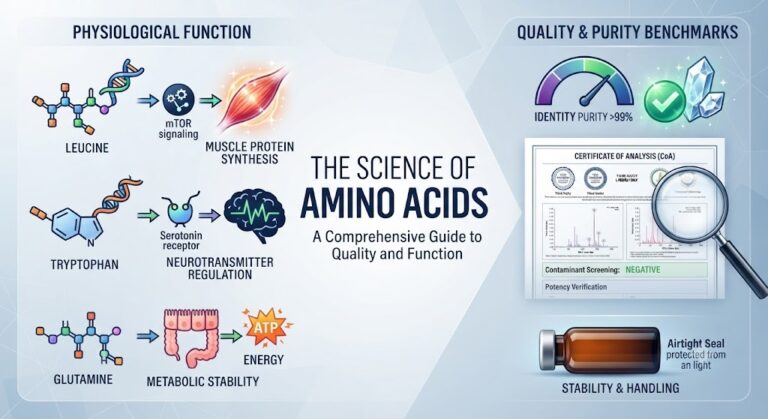
- The Leucine Factor: Whey is exceptionally rich in branched-chain amino acids (BCAAs), particularly leucine (Hoffman, 2013). Leucine acts as a chemical “trigger” that activates the mTOR pathway in human cells, which directly initiates muscle protein synthesis.
The 3 Best Whey Protein Compounds
The structural differences between the three main whey compounds come down to how the liquid whey is filtered and processed (A. Castro et al., 2019).
| Compound Metric | Whey Protein Concentrate (WPC) | Whey Protein Isolate (WPI) | Whey Protein Hydrolysate (WPH) |
| Protein Purity | 35% – 89% (Typically 80%) | 90%+ | 80% – 90% |
| Lactose Content | Higher (10% – 55%) | Minimal (less than 1%) | Low to Minimal |
| Digestion Speed | Moderate (~2-3 hours) | Fast (~1-2 hours) | Ultra-Fast (<1 hour) |
| Best For | Budget-conscious, general health | Lean bulking, lactose sensitivity | Post-workout recovery, GI issues |
1. Whey Protein Concentrate (WPC)
Whey Protein Concentrate is the least refined form of whey protein. It is produced using microfiltration and ultrafiltration techniques that remove a portion of the water, lactose, and minerals, while leaving much of the native milk structure intact (Minj & Anand, 2020).
- The Macronutrient Profile: WPC typically ranges from 70% to 80% pure protein by weight, with the remaining percentage consisting of milk fats and carbohydrates (lactose).
- The Biological Advantage: Because it undergoes minimal processing, WPC retains high levels of beneficial, health-promoting micro-fractions. These include immunoglobulins, lactoferrin, and alpha-lactalbumin, which support immune function and possess antioxidant properties (Hoffman, 2013).
- Ideal For: Individuals looking for a highly affordable, multi-purpose protein powder who do not suffer from severe lactose sensitivity.
🛒 Recommendation: Looking for a top-tier Concentrate blend? Check out theOptimum Nutrition Gold Standard 100% Whey on Amazonfor a reliable, third-party tested formula that mixes perfectly.
2. Whey Protein Isolate (WPI)
Whey Protein Isolate is a highly purified version of whey that undergoes an additional step of cross-flow microfiltration or ion-exchange chromatography. This intensive purification strips away almost all of the remaining non-protein components (Minj & Anand, 2020).
- The Macronutrient Profile: WPI yields a purity of 90% or higher protein by weight, rendering it virtually fat-free and carbohydrate-free (Hoffman, 2013).
- The Biological Advantage: WPI offers an exceptionally high protein-to-calorie ratio. Furthermore, because nearly all lactose is mechanically removed during filtration, it is highly tolerated by individuals with lactose intolerance or those prone to digestive bloating.
- Ideal For: Athletes on strict low-calorie or low-carb diets, individuals focused on lean body recomposition, and anyone with mild-to-moderate lactose sensitivities.
🛒 Recommendation: Maximize your lean gains cleanly: Pick up the highly-ratedTransparent Labs 100% Grass-Fed Whey Isolate hereto get zero artificial sweeteners and maximum purity.
3. Whey Protein Hydrolysate (WPH)
Whey Protein Hydrolysate is essentially “pre-digested” whey. It is created by exposing whey protein to specialized digestive enzymes (such as papain, trypsin, or pepsin) or acids that mimic our internal digestive tract, breaking the long peptide chains down into shorter chains called oligopeptides (Czelej, 2025).
- The Macronutrient Profile: WPH typically maintains an 80% to 90% protein purity level, matching the macro benefits of an isolate but with altered structural bonds.
- The Biological Advantage: Because the peptide bonds are already partially cleaved, WPH does not require the same level of enzymatic breakdown in your stomach. It passes rapidly into the small intestine, leading to an ultra-fast spike in blood amino acid levels, which can accelerate glycogen replenishment and immediate post-exercise muscle tissue repair.
- Ideal For: Serious bodybuilders looking to optimize the immediate post-workout “anabolic window,” or fitness enthusiasts who experience severe gastrointestinal distress from regular protein powders.
🛒 Recommendation: Need ultra-fast absorption without stomach bloat? Grab the award-winningDymatize ISO100 Hydrolyzed Whey Protein on Amazonfor elite-level post-workout recovery.
How to Choose the Right Compound for Your Goals
While sports science highlights the distinct kinetic profiles of these three compounds, human metabolism looks at the bigger picture. Meta-analyses show that for the vast majority of regular gym-goers, the total daily intake of high quality protein is far more critical than the minor speed differences between isolate and concentrate (A. Castro et al., 2019).
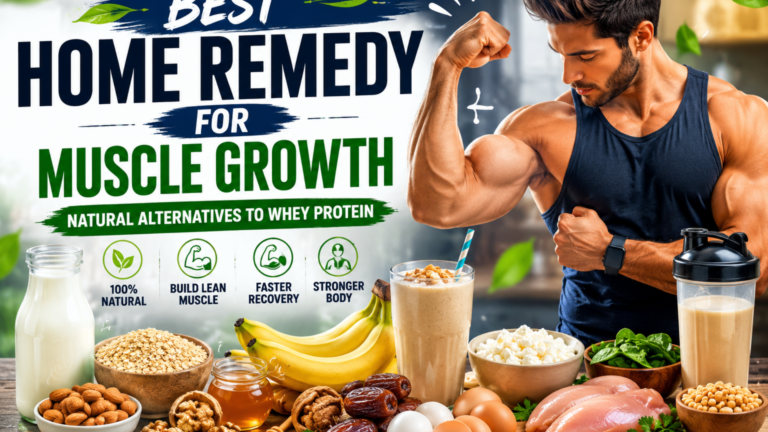
“If you prefer building muscle naturally without supplements, check out our guide on the best home remedy for muscle growth.”
When shopping for a premium supplement in the US market, prioritize third-party testing (such as NSF Certified for Sport or Informed-Choice) to guarantee the product is free of banned substances, and check the ingredient list to avoid cheap fillers like maltodextrin